
Meeting the eye
A Brookhaven National Laboratory computer scientist is building software to help researchers interact with their data in new ways.
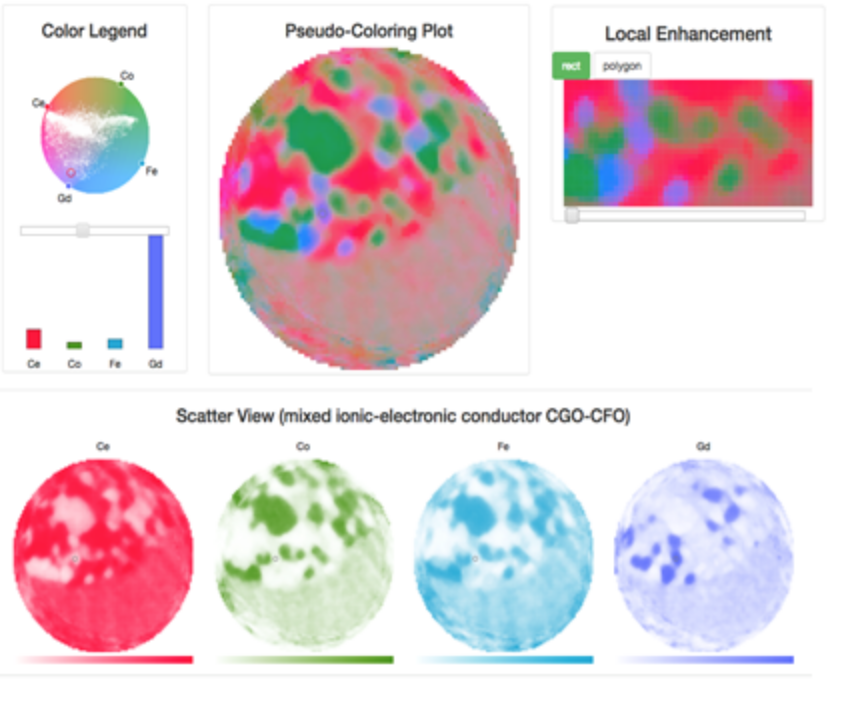
A Brookhaven National Laboratory computer scientist is building software to help researchers interact with their data in new ways.



A Sandia National Laboratories mathematician is honored for his work creating methods for supercomputers.
Connecting equations Read Post
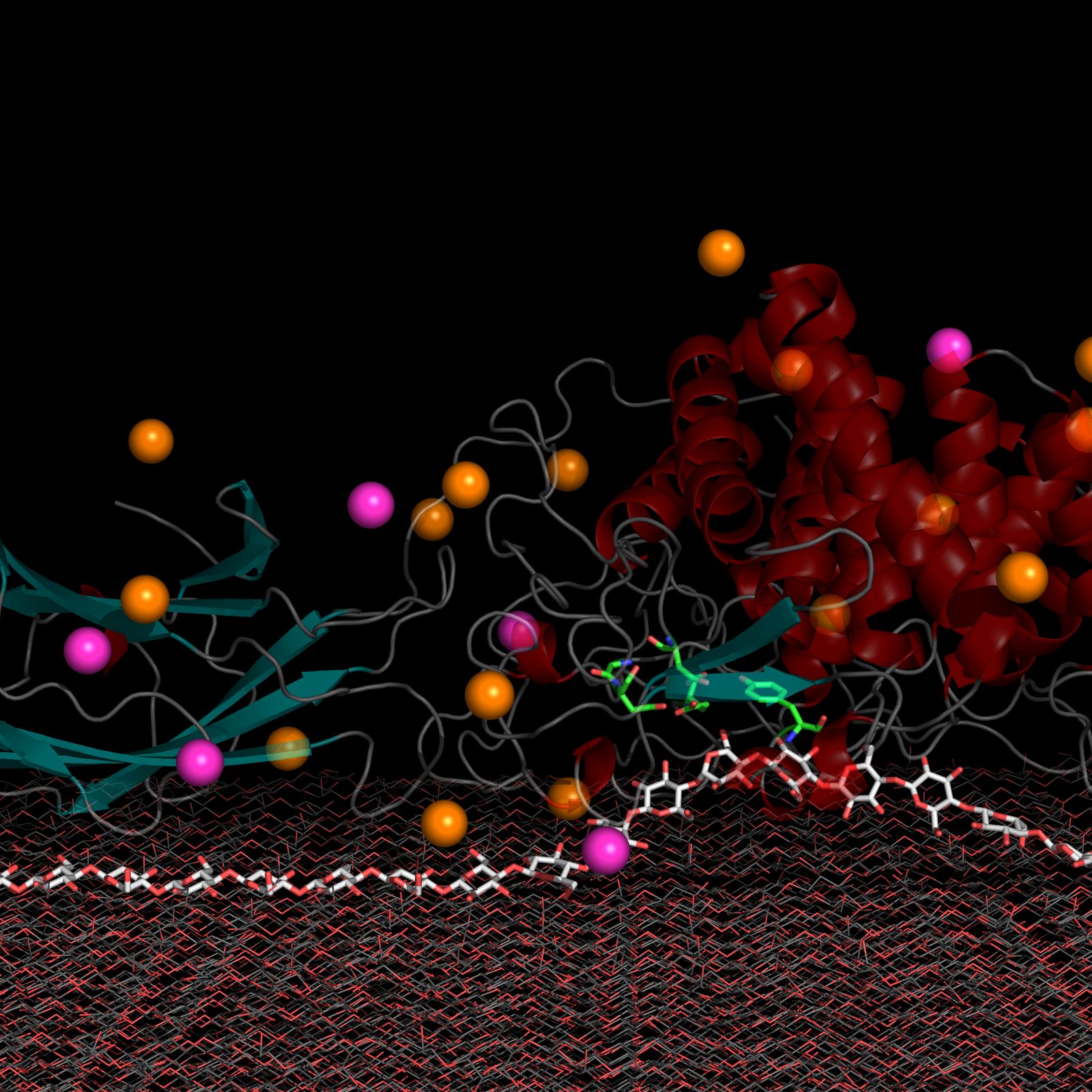
High-quality computational models of enzyme catalysts could lead to improved access to biofuels and better carbon capture.
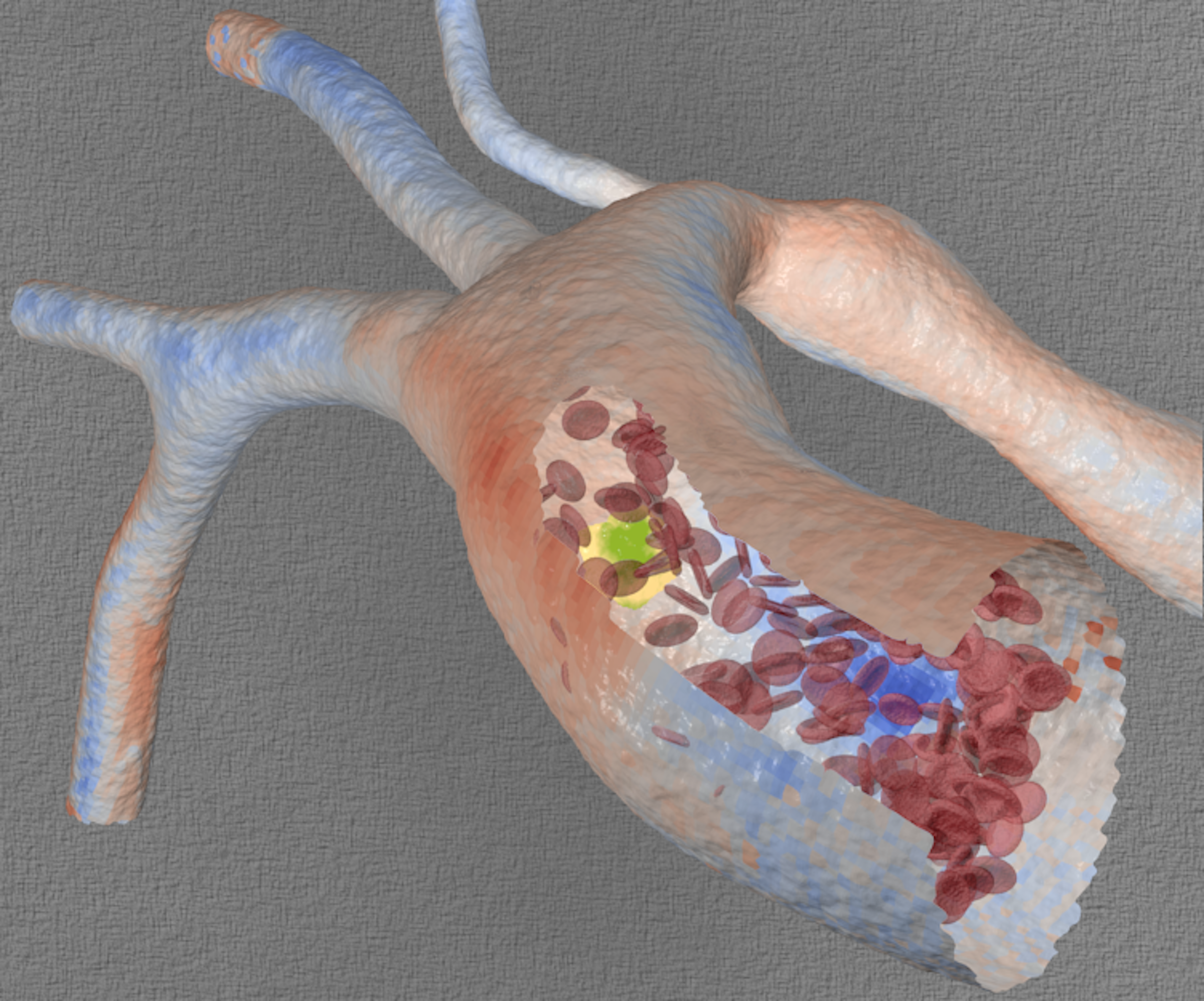
The circulatory simulations a Computational Science Graduate Fellowship alumna now at Duke University could help physicians choose the best treatments before operating.
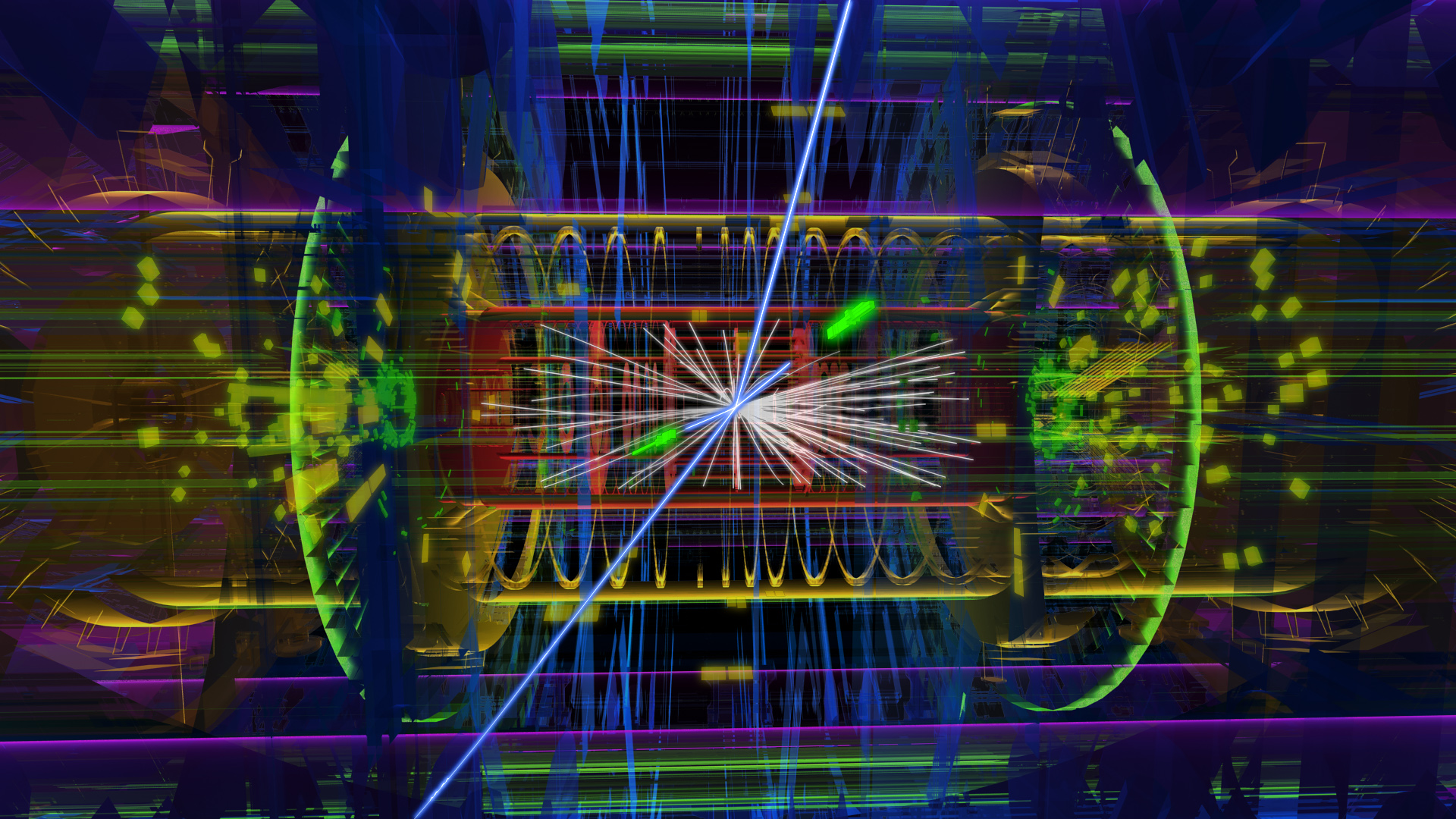
A data-management system called PanDA anticipated cloud computing to analyze the universe’s building blocks.
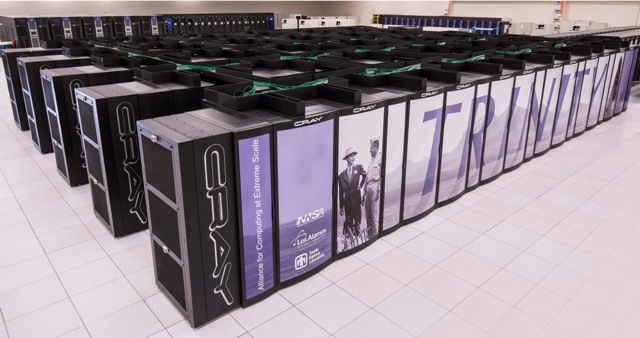
The unusual architecture in Los Alamos National Laboratory’s newest supercomputer is a step toward the exascale – systems around a hundred times more powerful than today’s best machines.
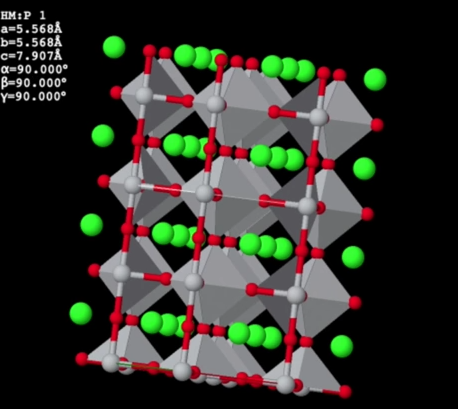
A Berkeley Lab project computes a range of materials properties and boosts the development of new technologies.
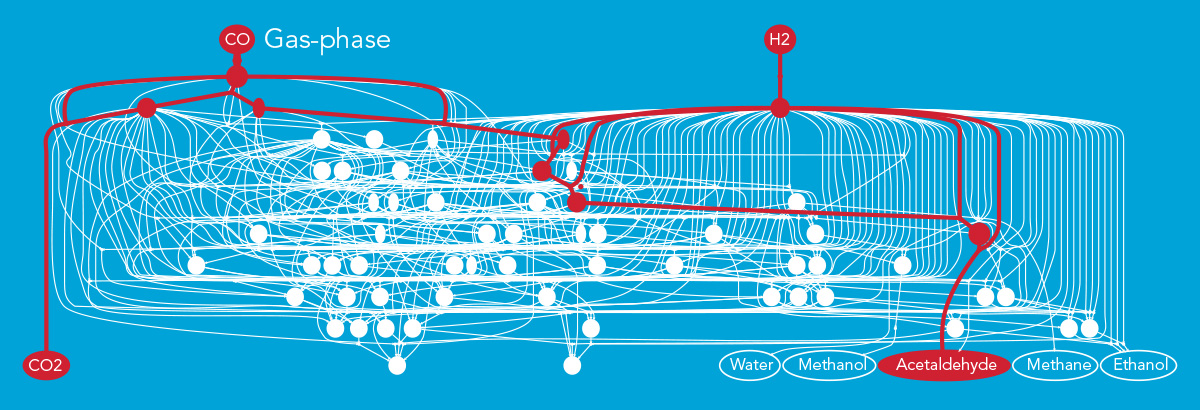
Replacing lab tedium for efficiency, SLAC-Stanford team taps machine learning to screen for chemicals with promising properties.

Lawrence Livermore National Laboratory models the blood-brain barrier to find ways for drugs to reach their target.

Redirecting an old chip might change the pathway to tomorrow’s fastest supercomputers, Argonne National Laboratory researchers say.
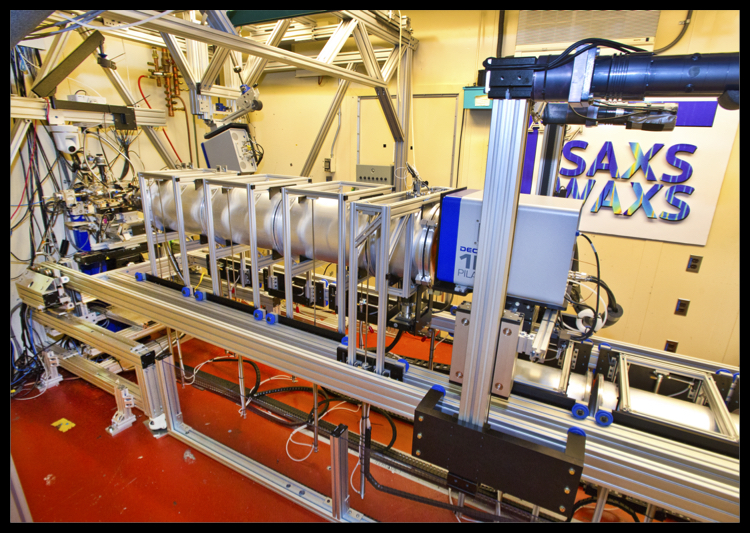
With a boost from the Titan supercomputer, a Berkeley Lab group works the angles on X-rays to analyze thin films of interest for the next generation of nanodevices.

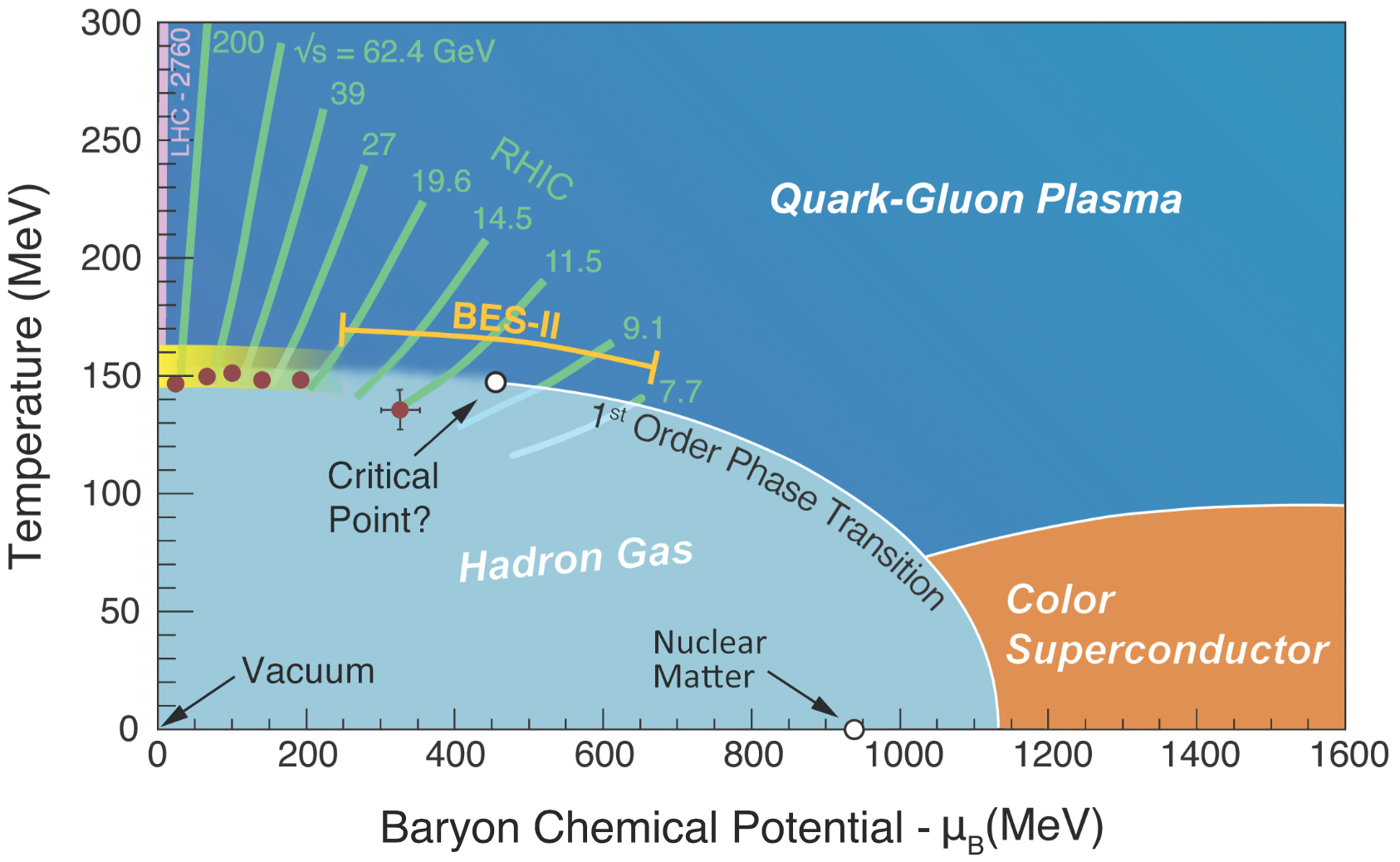
ORNL’s Titan supercomputer is helping Brookhaven physicists understand the matter that formed microseconds after the Big Bang.
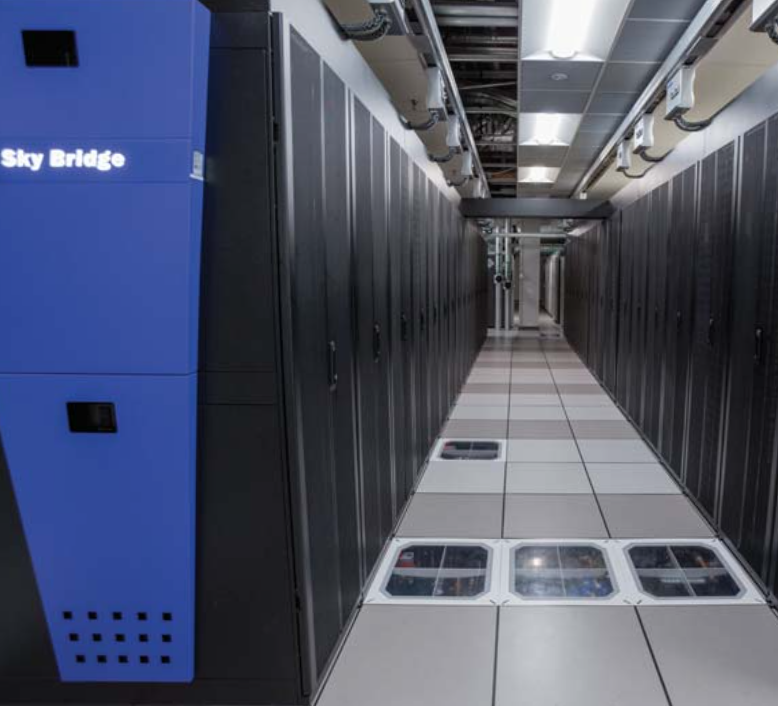
An alternative computing benchmark emerges to reflect scientific performance.
Multitalented metric Read Post
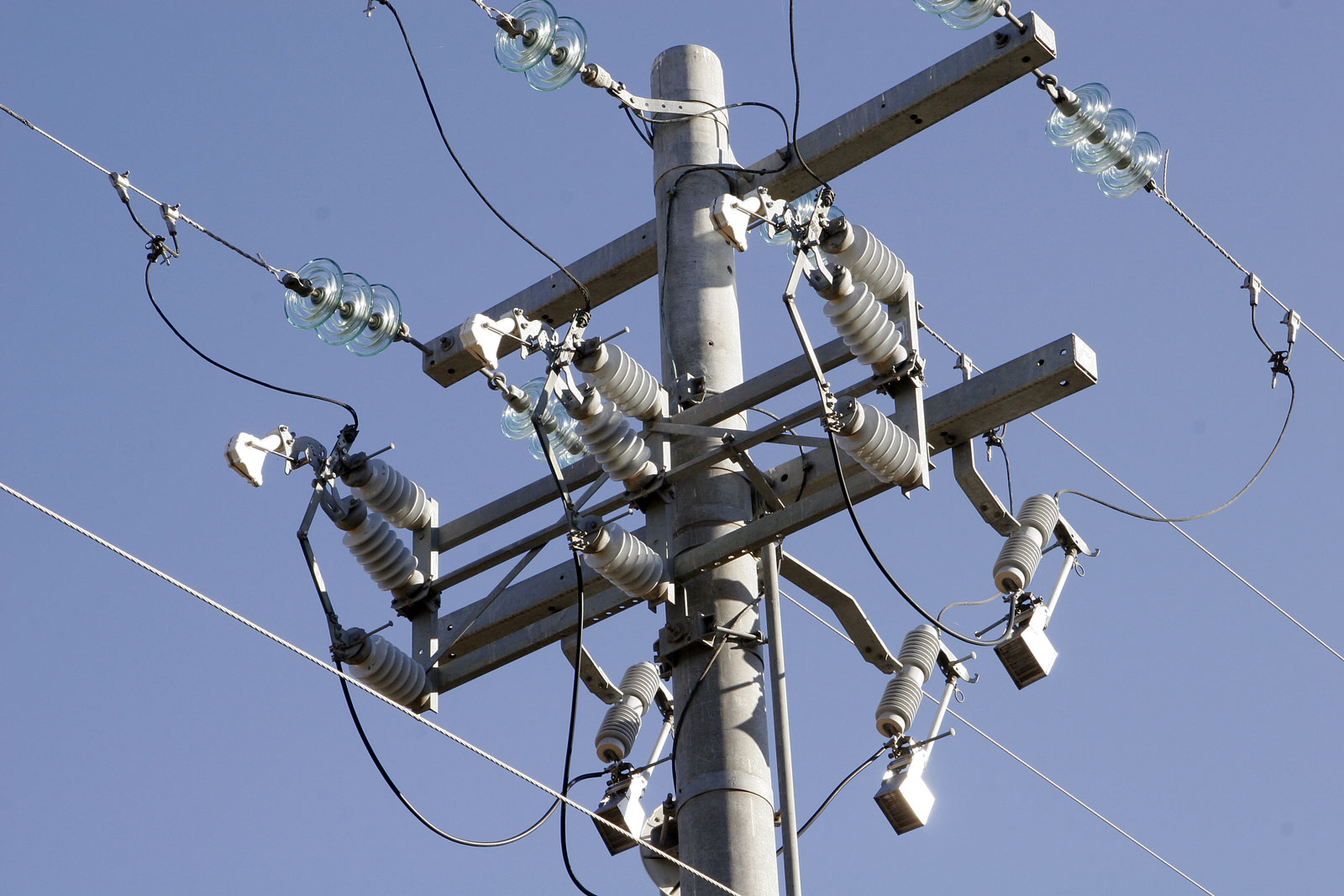
The smart grid turns to high-performance computing to guide its development and keep it working.

PNNL team views ‘undervolting’ — turning down the power supplied to processors — as a way to make exascale computing feasible.

The AnalyzeThis system deals with the rush of huge data-analysis orders typical in scientific computing.
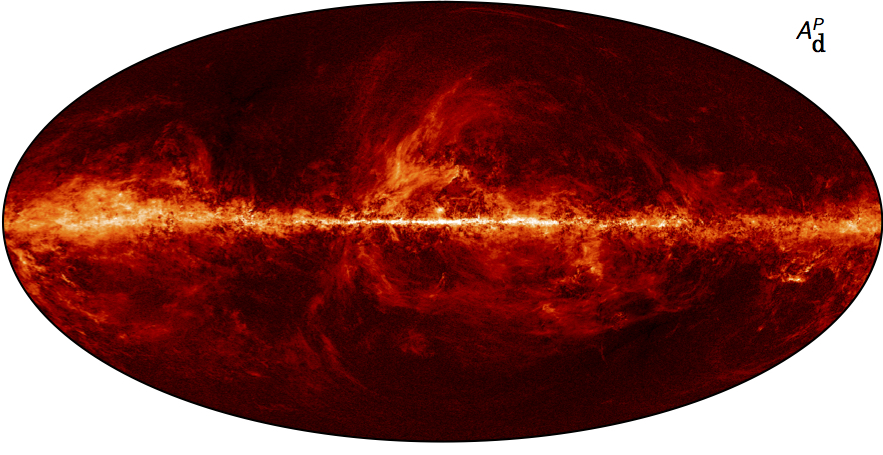
Berkeley Lab cosmologists sift tsunamis of data for signals from the birth of galaxies.

With help from the Titan supercomputer, an Oak Ridge National Laboratory team is peering at the chemistry and physics between the layers of superconducting materials.
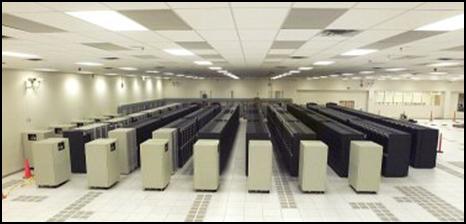
Los Alamos’ extensive study of HPC platforms finds silent data corruption in scientific computing – but not much.

At Argonne, research teams turn to supercomputing to study a phenomenon that can trigger surprisingly powerful explosions.

The Energy Science Network, the high-speed fiber optic data pipeline that has connected all 17 U.S. national laboratories for almost
Undersea link to LHC Read Post

The world’s particle colliders unite to share and analyze massive volumes of data.