
Computing that serves
A University of Maryland fellow models how infectious disease moves through populations.
Computing that serves Read Post

A University of Maryland fellow models how infectious disease moves through populations.
Computing that serves Read Post
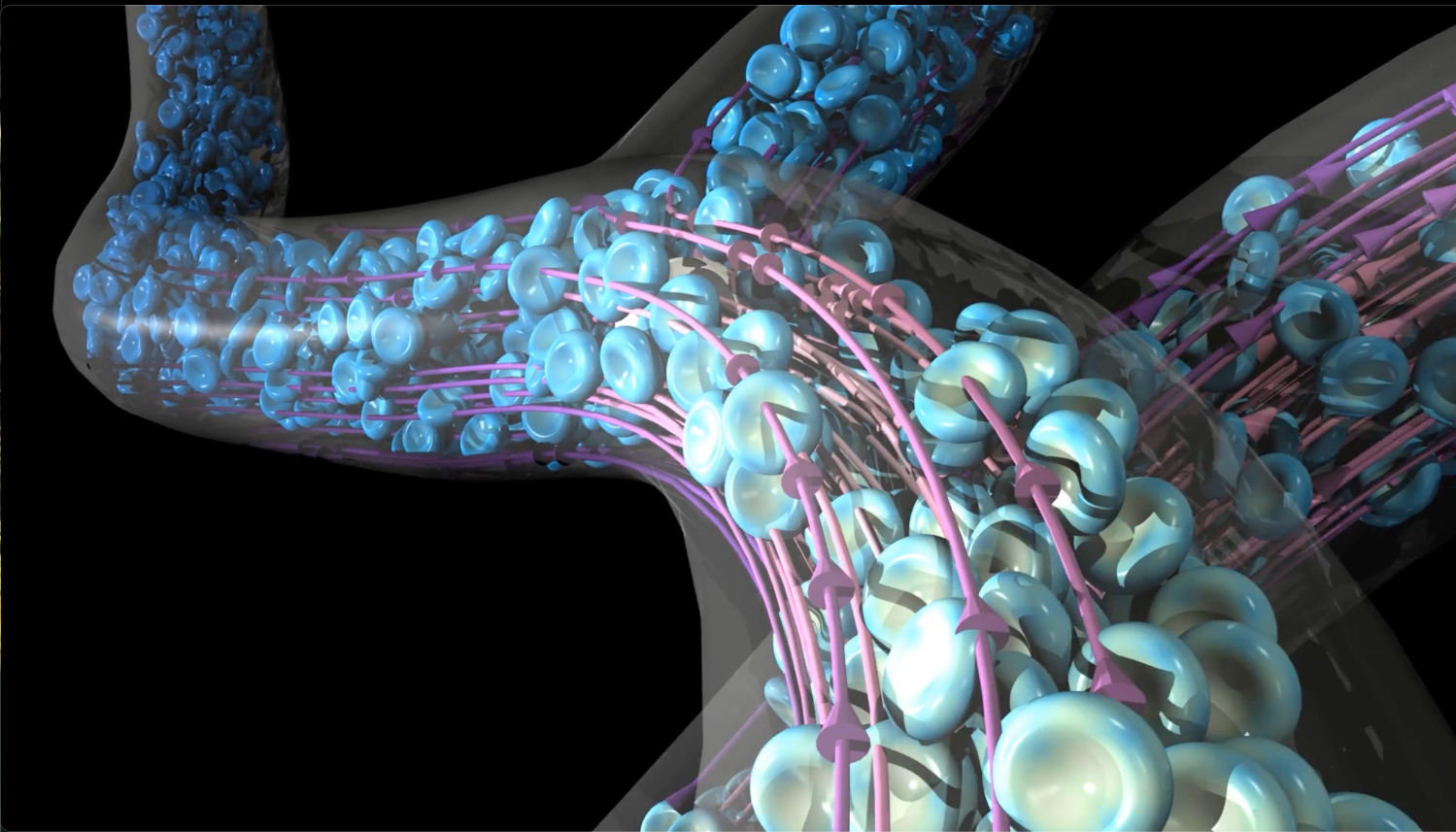
Notable program alum Amanda Randles models blood circulation — and is a role model for beginning scientists.
Interview: The nuts and bolts of blood flow Read Post

A Cornell University fellowship recipient works on methods for ensuring software functions as expected.
Subduing software surprises Read Post
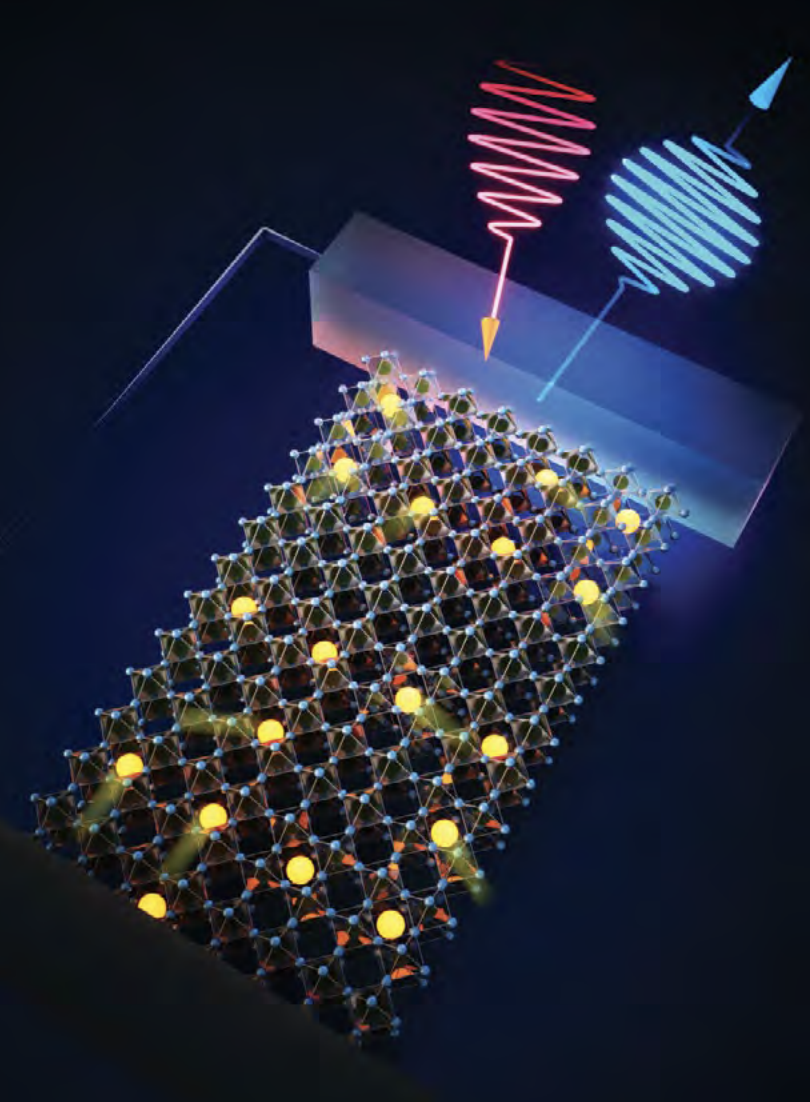
A UCSD engineering professor and former DOE CSGF recipient combines curiosity and diverse research experiences to tackle nanoscale questions and energy applications.

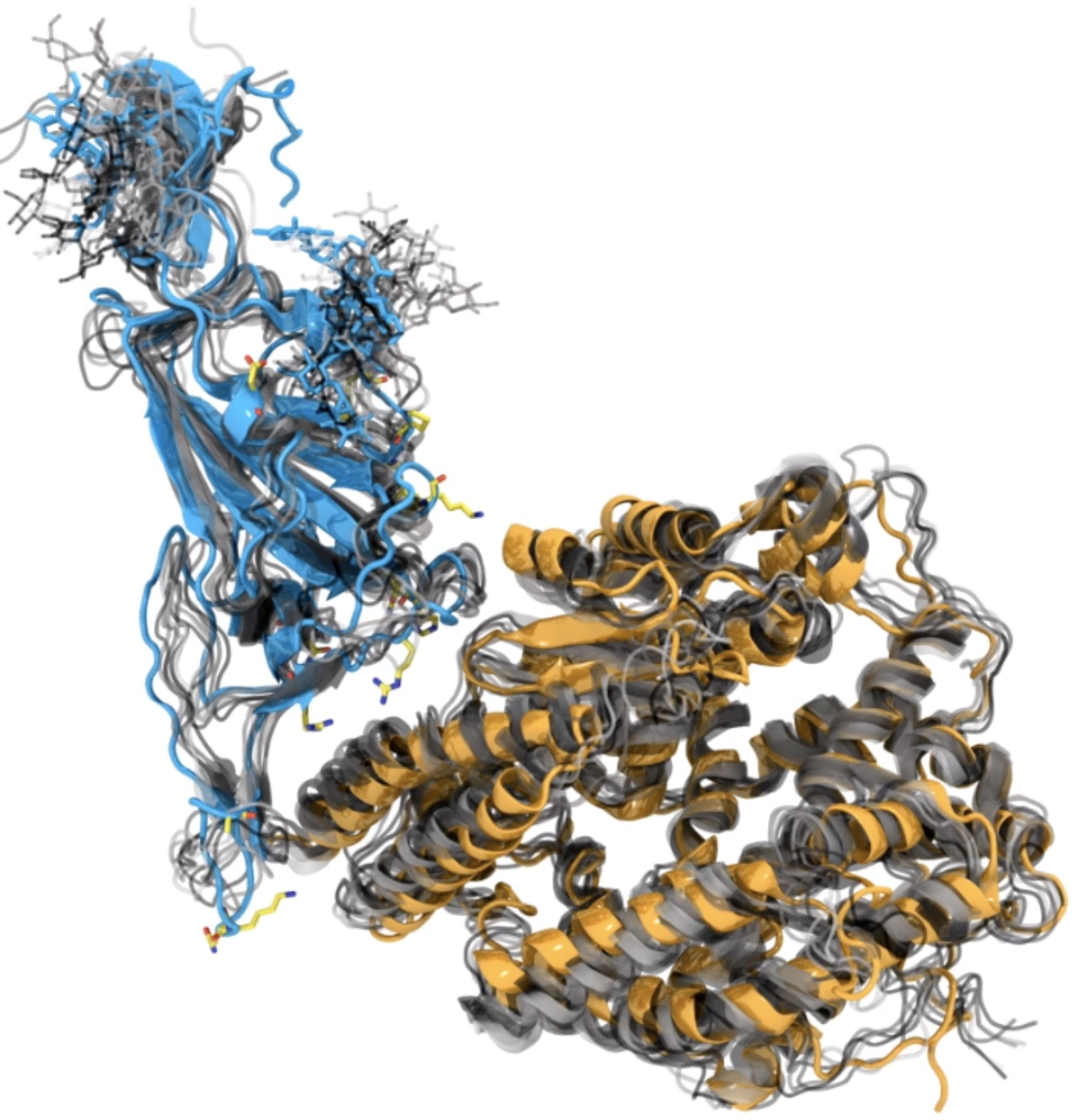
A computational sciences fellow models COVID-19 virus variants and examines how people weigh complex decisions.
Decisive achievement Read Post

Argonne’s Joe Insley combines art and computer science to build intricate images and animations from supercomputer simulations.
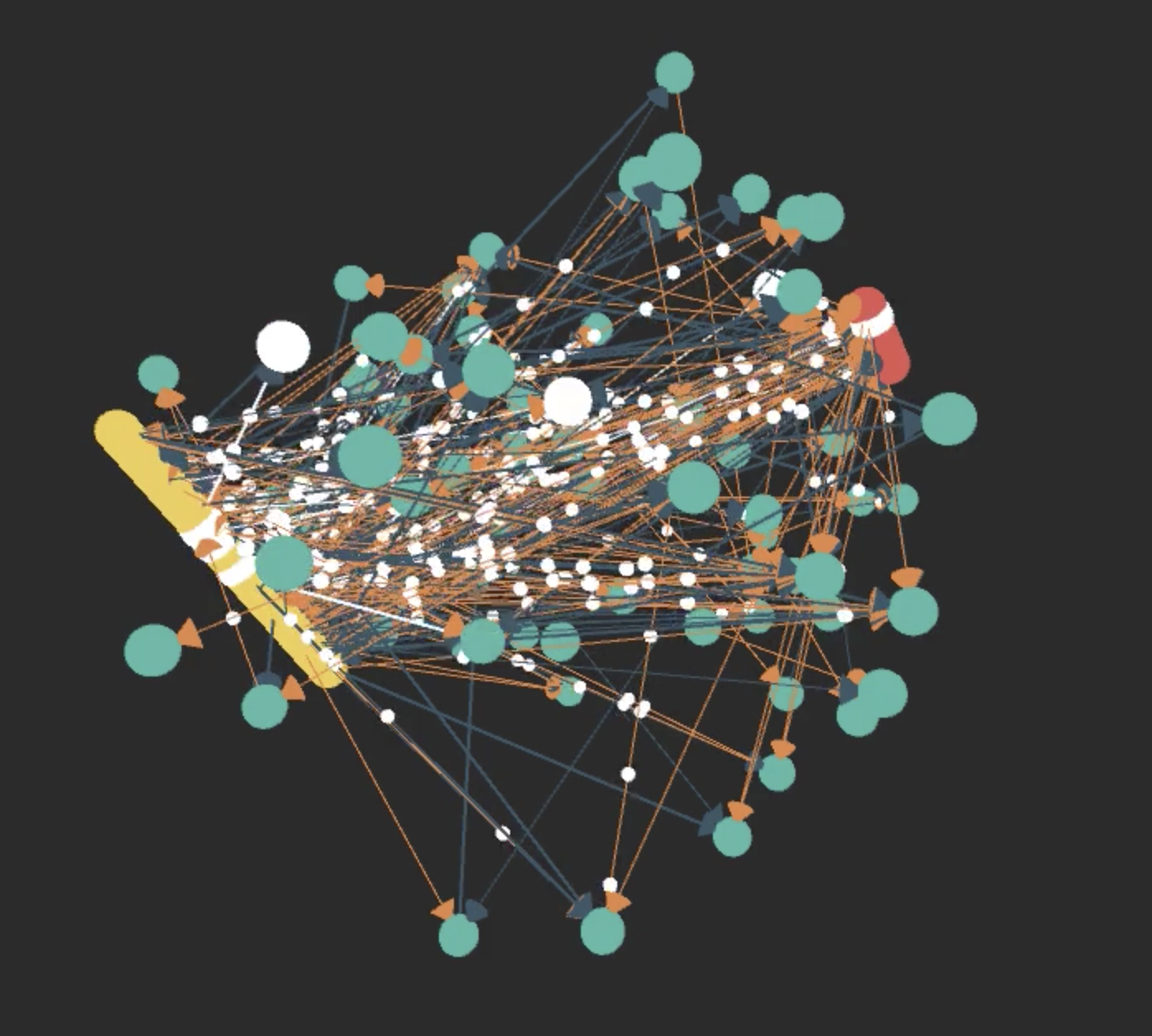
Nature inspires Oak Ridge National Laboratory algorithms for neuromorphic processors.
Borrowing from the brain Read Post
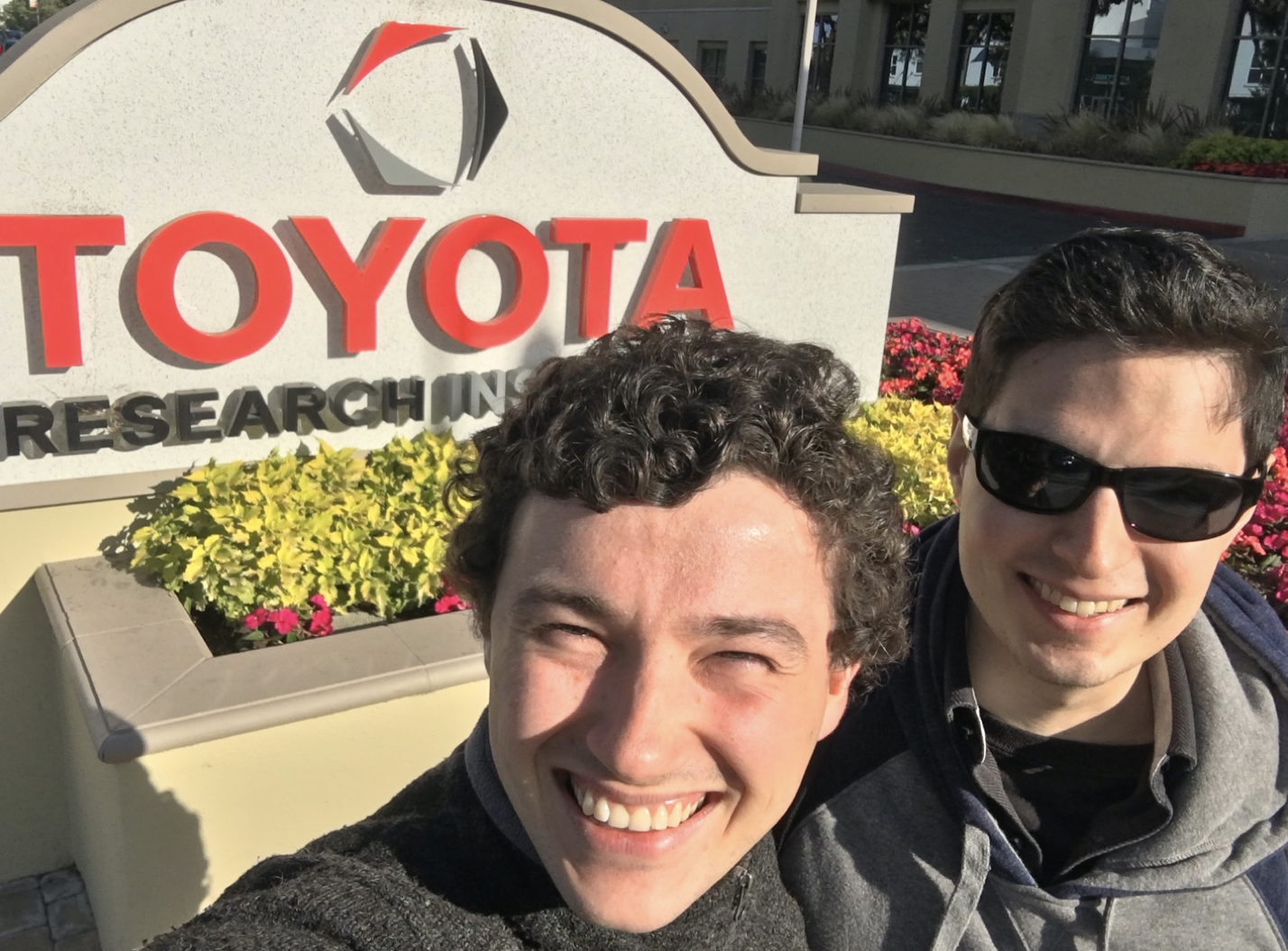
Friends – and computational science fellows – team up with Toyota and Berkeley Lab, combining serendipity and machine learning in a search for sustainable-energy materials.
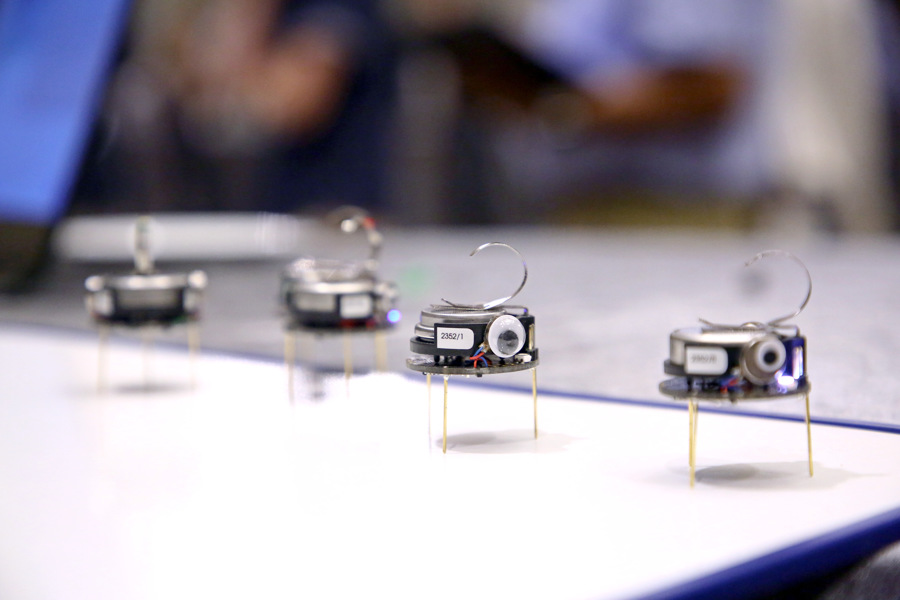
A DOE computational science fellow combines biology, technology and more to explore behavior, swarms and space.

A Brookhaven-Rutgers group uses supercomputing to target the most promising drug candidates from a daunting number of possibilities.
Molecular landscaping Read Post

Aiming to expand their technology options, Vanguard program researchers are testing a prototype supercomputer built with ARM processors.

Exascale computing, combined with redesigned computational chemistry software, could help researchers develop new renewable energy materials and greener chemical processes.
Revving up chemistry Read Post

Supercomputing power and increasing genomic data are allowing Oak Ridge researchers to examine drought tolerance in plants and other big biological questions.
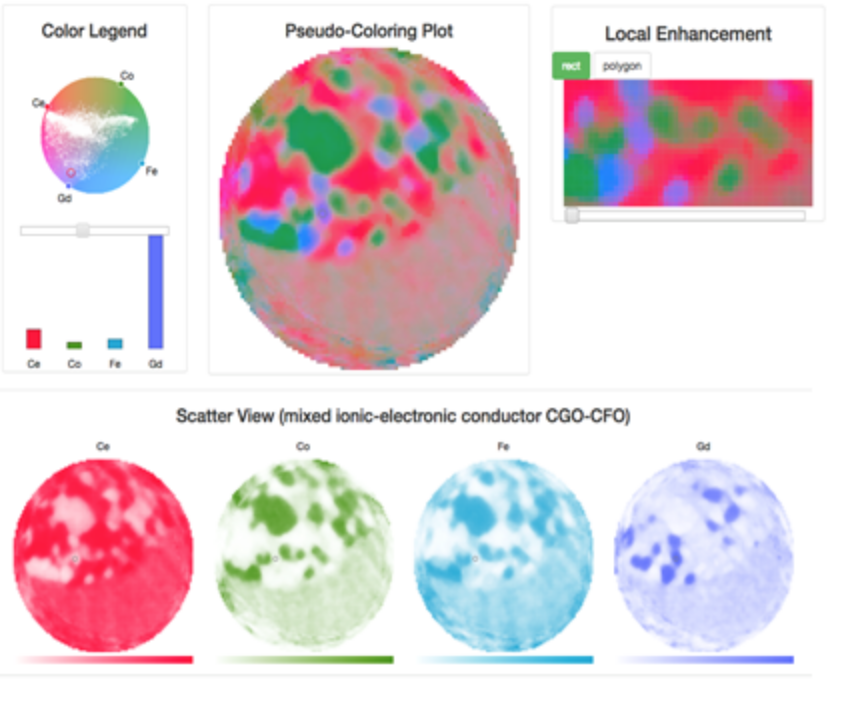
A Brookhaven National Laboratory computer scientist is building software to help researchers interact with their data in new ways.
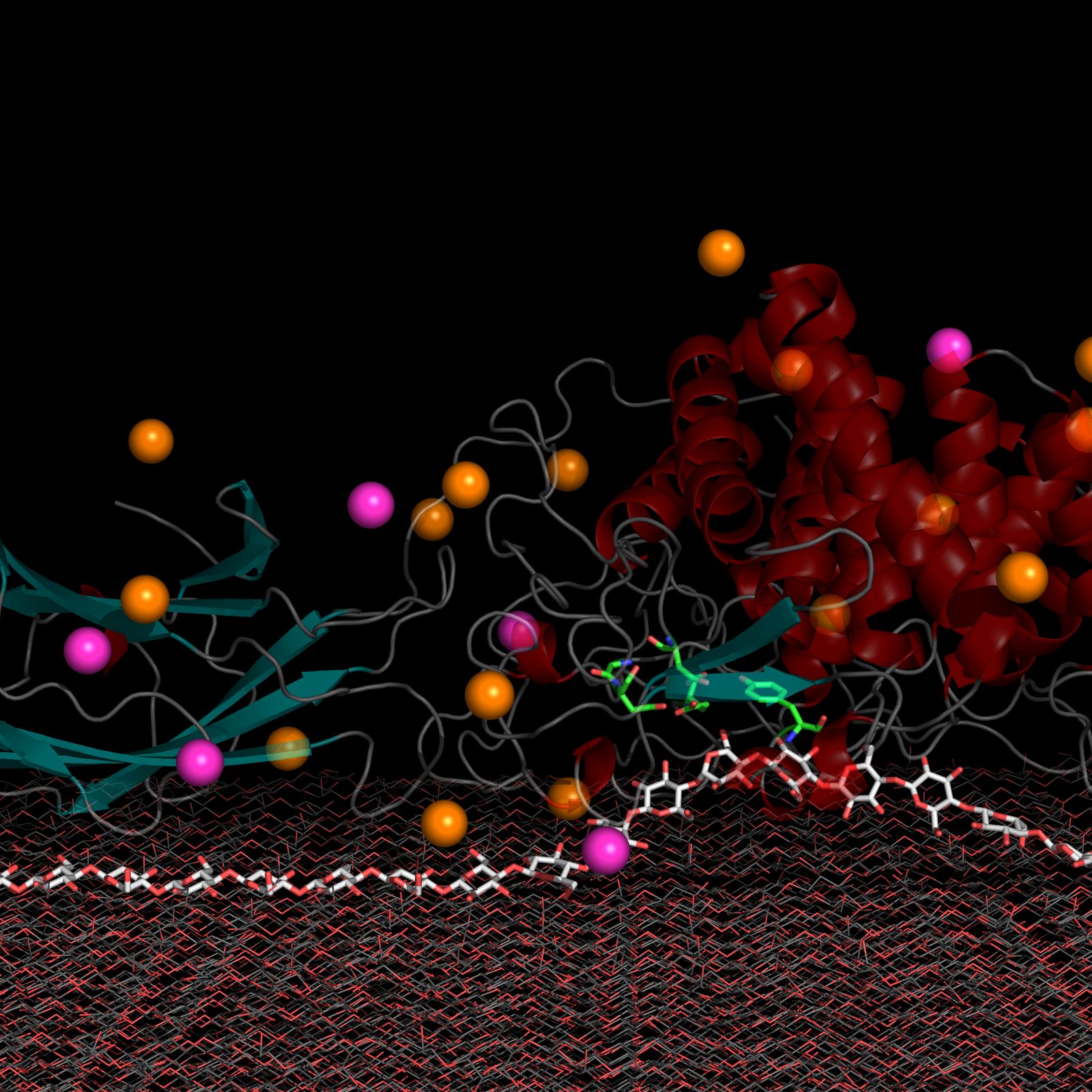
High-quality computational models of enzyme catalysts could lead to improved access to biofuels and better carbon capture.
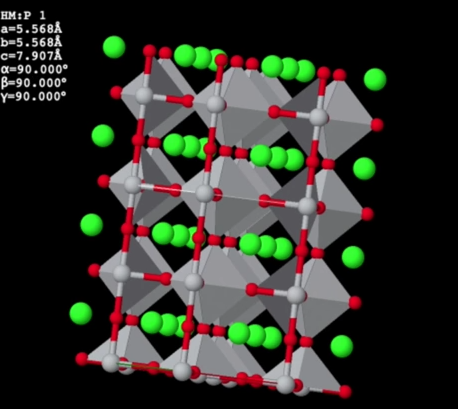
A Berkeley Lab project computes a range of materials properties and boosts the development of new technologies.
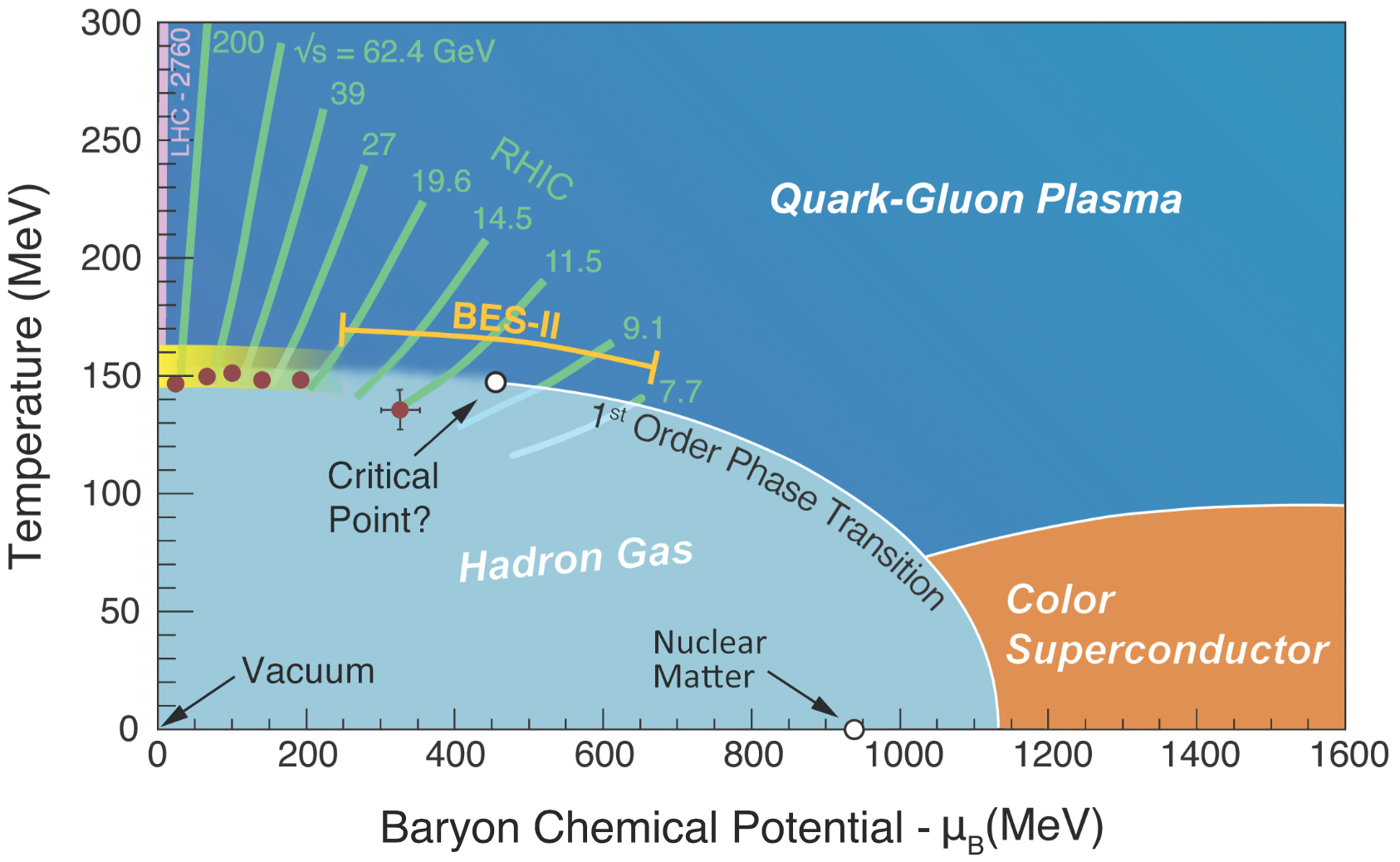
ORNL’s Titan supercomputer is helping Brookhaven physicists understand the matter that formed microseconds after the Big Bang.

With help from the Titan supercomputer, an Oak Ridge National Laboratory team is peering at the chemistry and physics between the layers of superconducting materials.
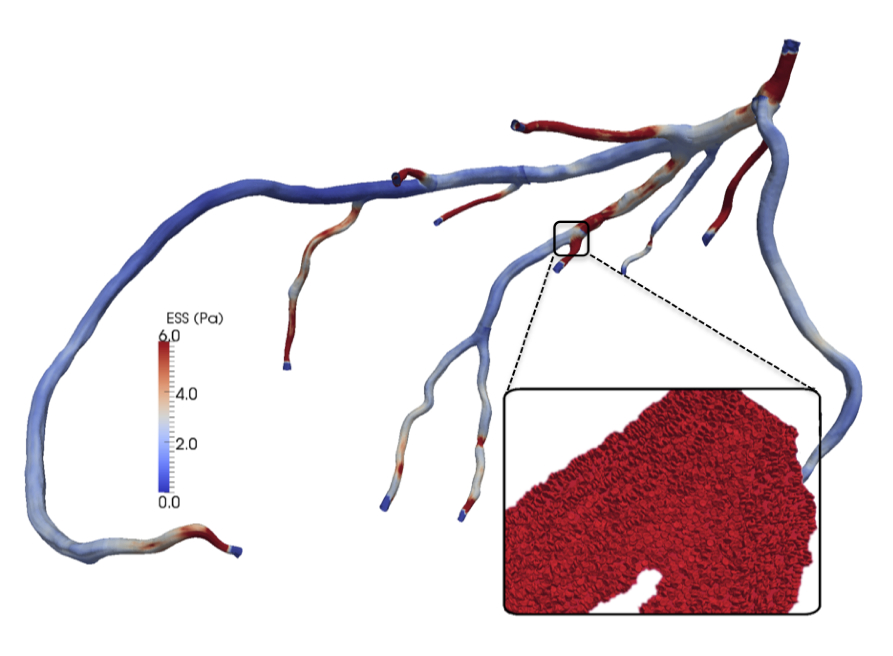
The first large-scale simulation of blood flow in coronary arteries enlists a realistic description of the vessels’ geometries. Researchers reported on the simulation today at the SC10 supercomputing conference in New Orleans.