
‘Earth’s evil twin’
A UCSD fellow’s geodynamic model offers answers to stubborn questions about Venus’ surface.

A UCSD fellow’s geodynamic model offers answers to stubborn questions about Venus’ surface.
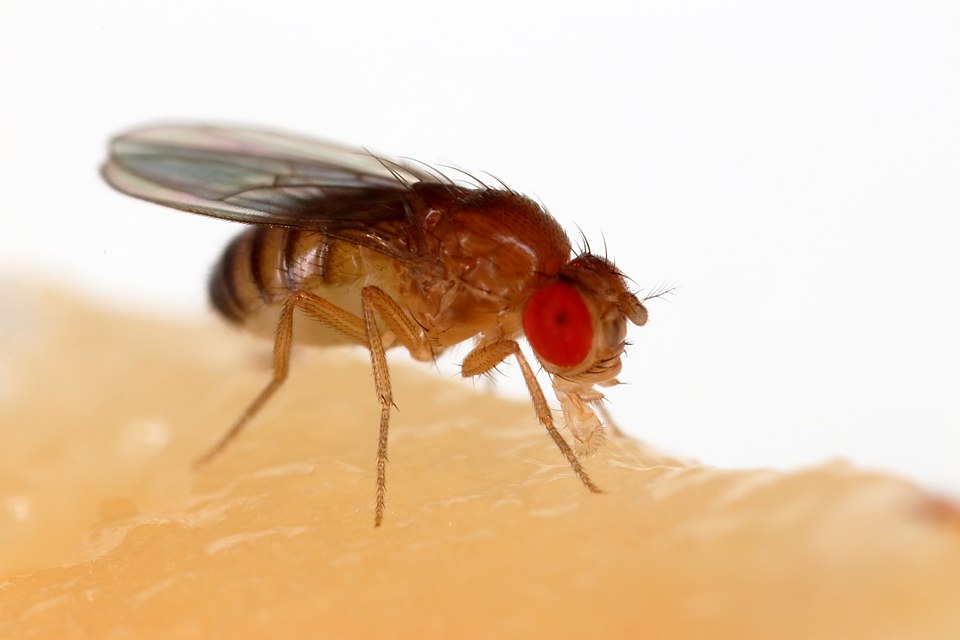
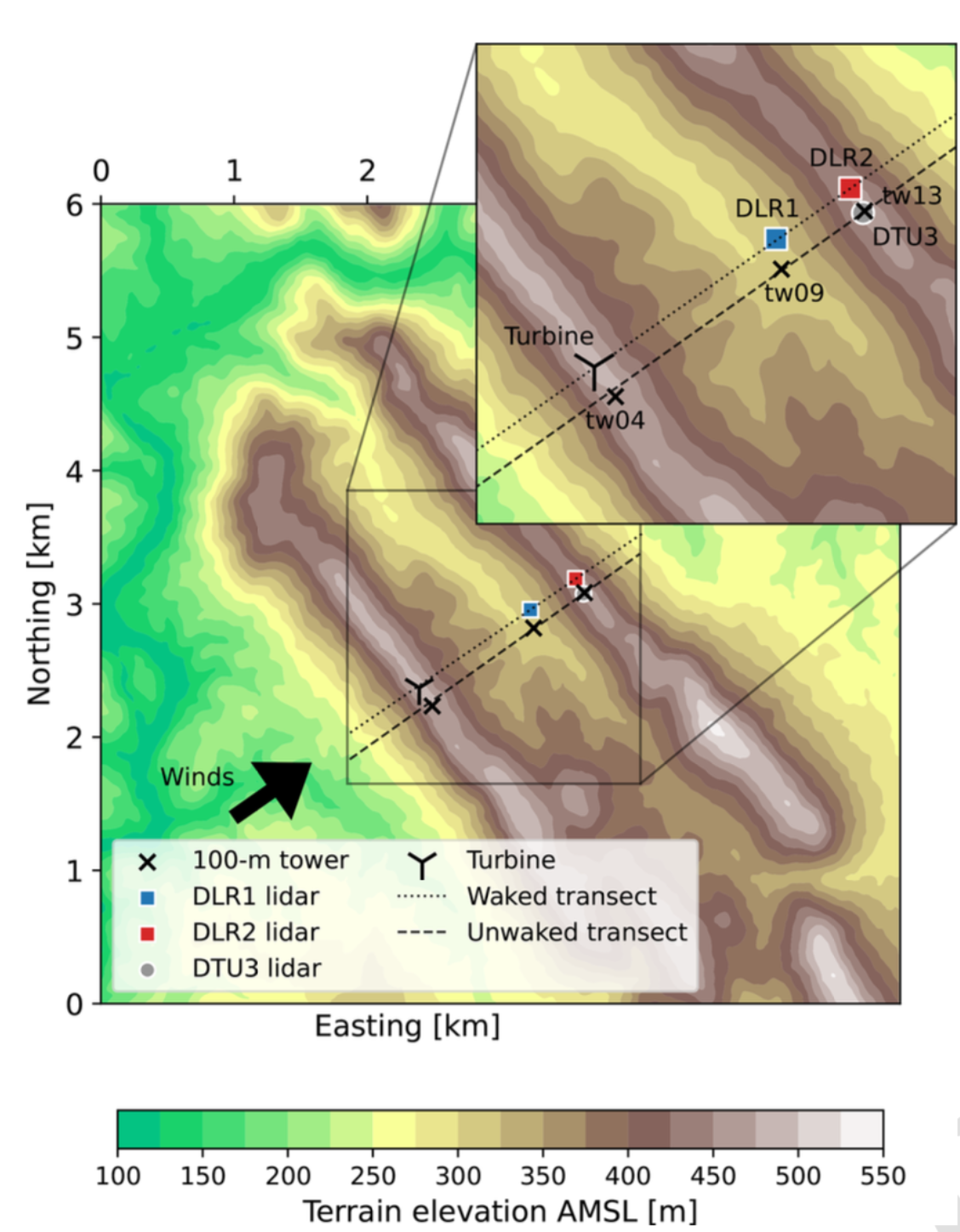
A recent program alum interweaves large and small scales in wind-energy and ocean models.
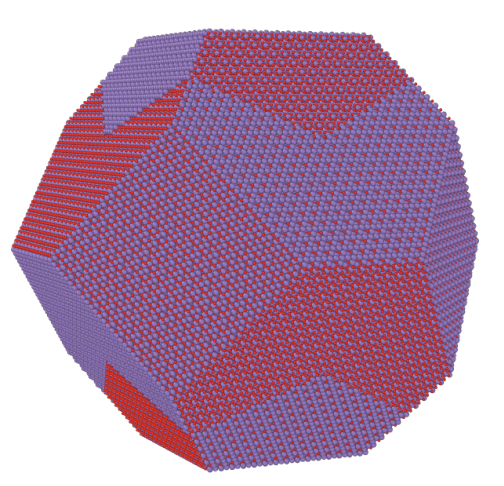
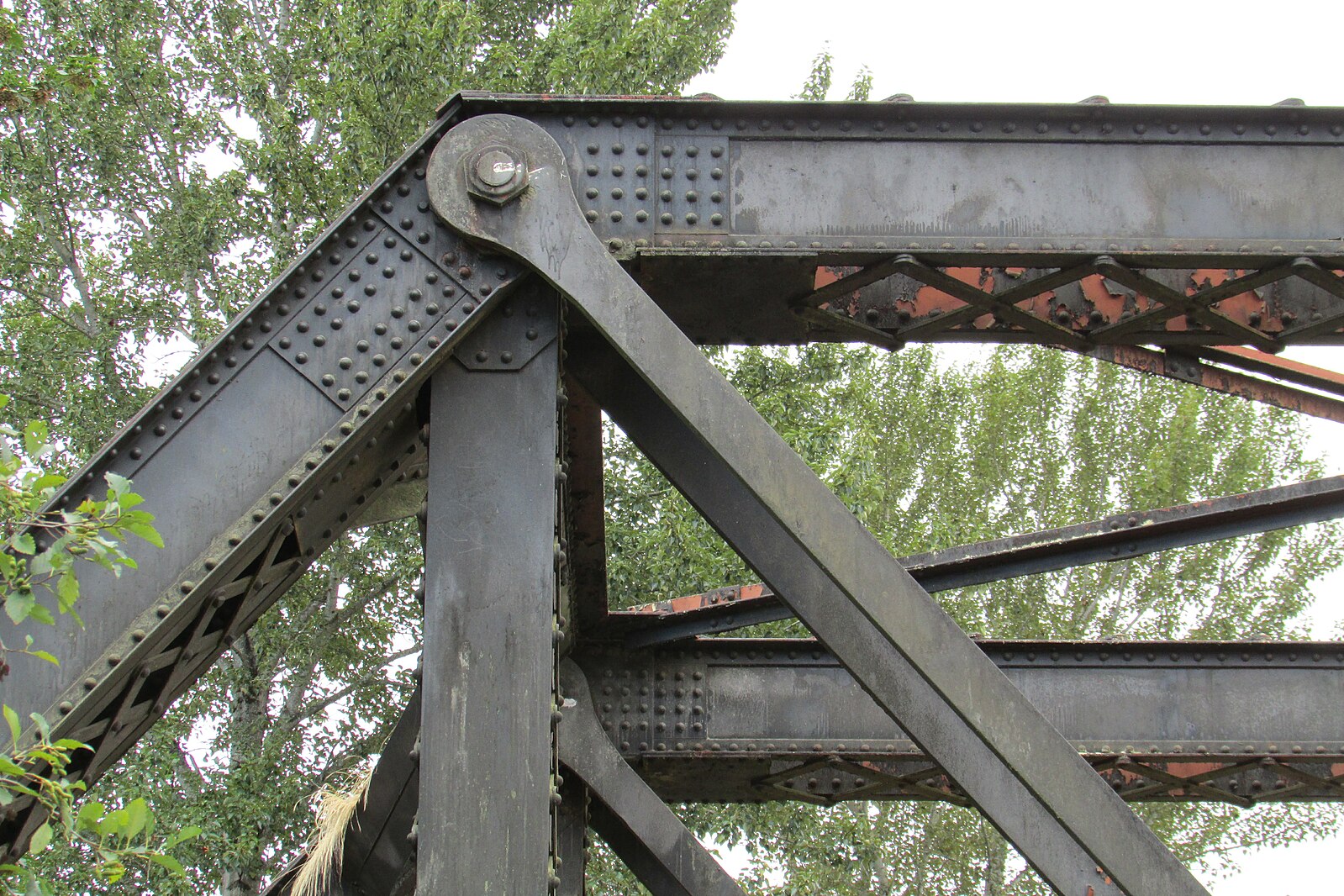
A Rice University fellow simulates the ins and outs of the familiar fasteners in pursuit of lean machines.

A DOE CSGF recipient at the University of Texas took on a hurricane-flooding simulation and blew away limits on its performance.

A Berkeley Lab-Northwestern University team follows fish movements to build energy-efficiency algorithms.
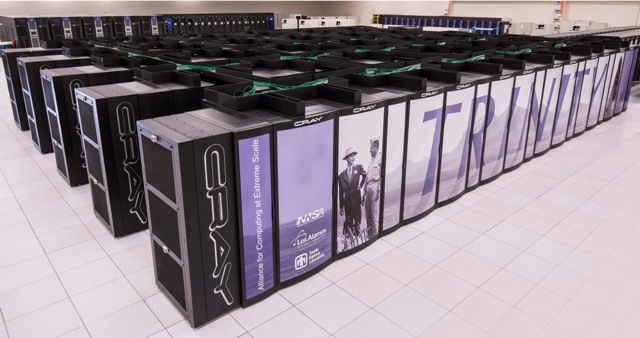
The unusual architecture in Los Alamos National Laboratory’s newest supercomputer is a step toward the exascale – systems around a hundred times more powerful than today’s best machines.

Lawrence Livermore National Laboratory models the blood-brain barrier to find ways for drugs to reach their target.
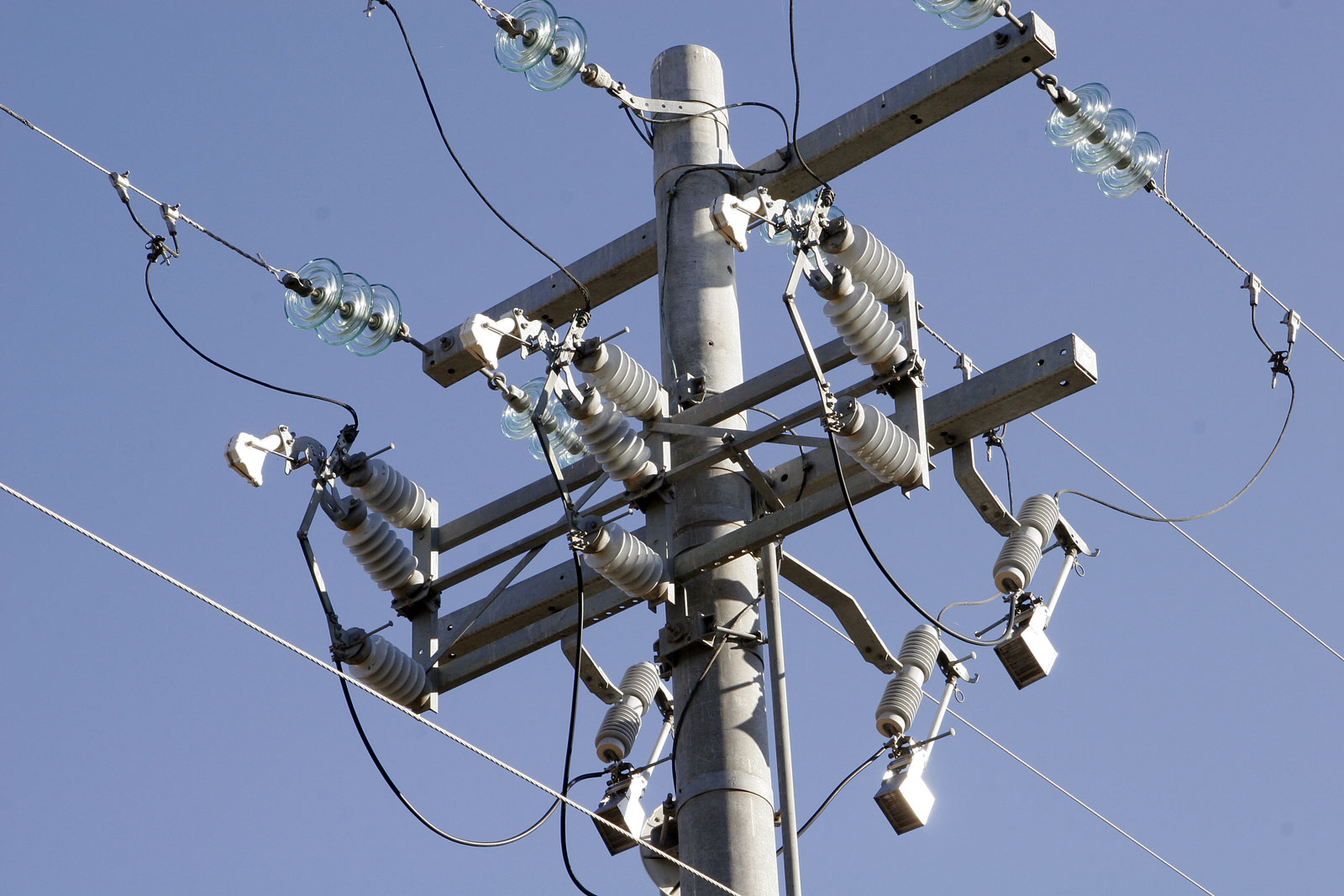
The smart grid turns to high-performance computing to guide its development and keep it working.
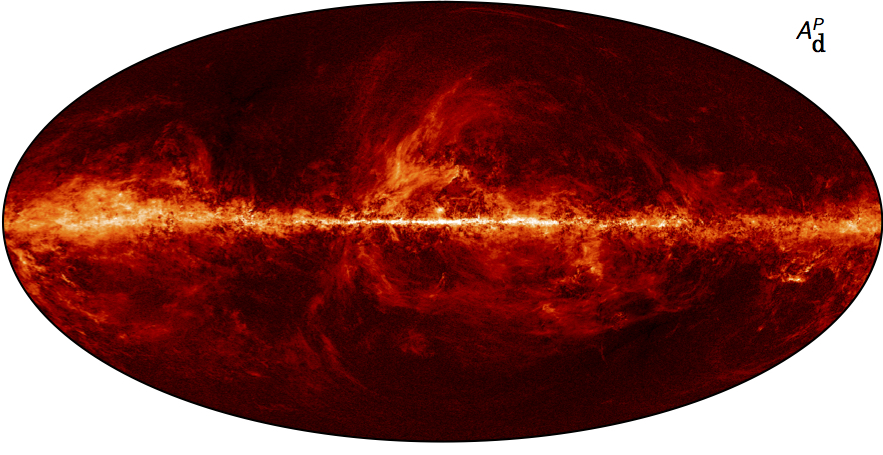
The AnalyzeThis system deals with the rush of huge data-analysis orders typical in scientific computing.
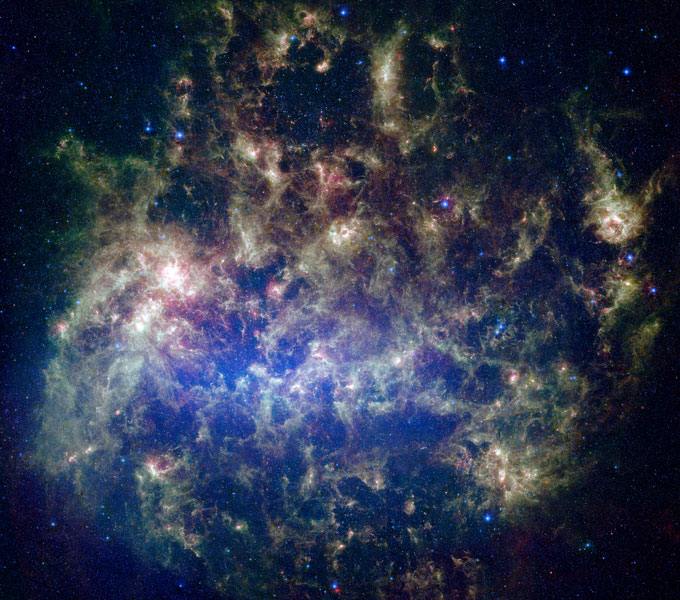
Berkeley Lab cosmologists sift tsunamis of data for signals from the birth of galaxies.

At Argonne, research teams turn to supercomputing to study a phenomenon that can trigger surprisingly powerful explosions.
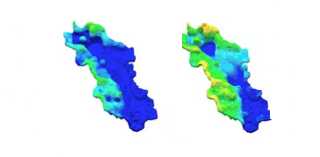
A PNNL team builds models of deep-earth water flows that affect the tiny organisms that can make big contributions to climate-changing gases.

Dark energy propels the universe to expand faster and faster. Researchers are using simulations to test different conceptions about how this happens.
Rewinding the universe Read Post

MIT’s Dragos Velicanu is helping sort through data from the Large Hadron Collider for clues to the mysteries surrounding the strong force and the early universe.

Dragos Velicanu likes to look at just about everything from a fresh perspective. “Outside work, I like to travel, go