
Predicting chaos
A Caltech fellowship recipient works on the physics underlying turbulence, or the chaotic gain of energy when fluids move in unpredictable ways.
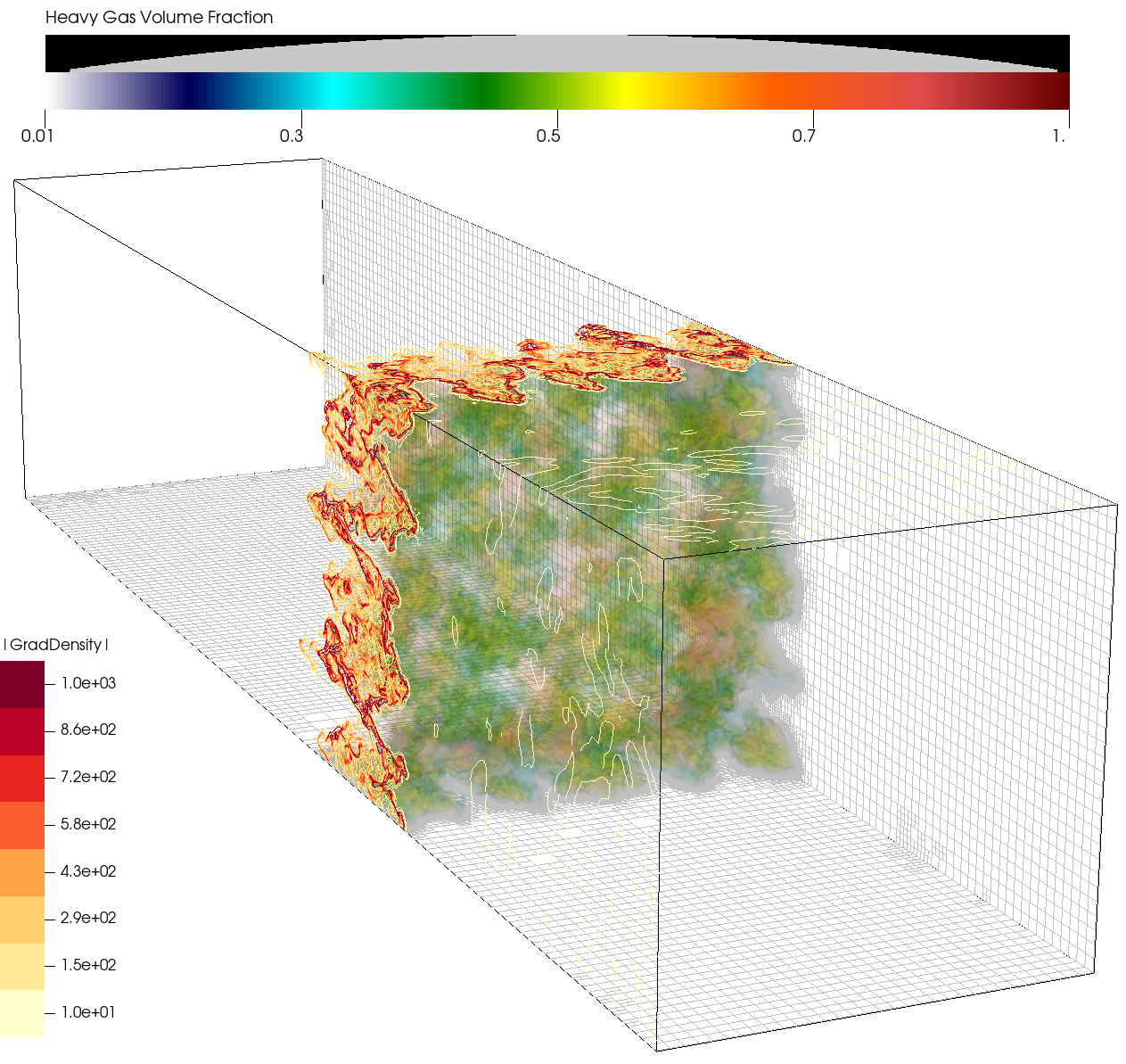
A Caltech fellowship recipient works on the physics underlying turbulence, or the chaotic gain of energy when fluids move in unpredictable ways.
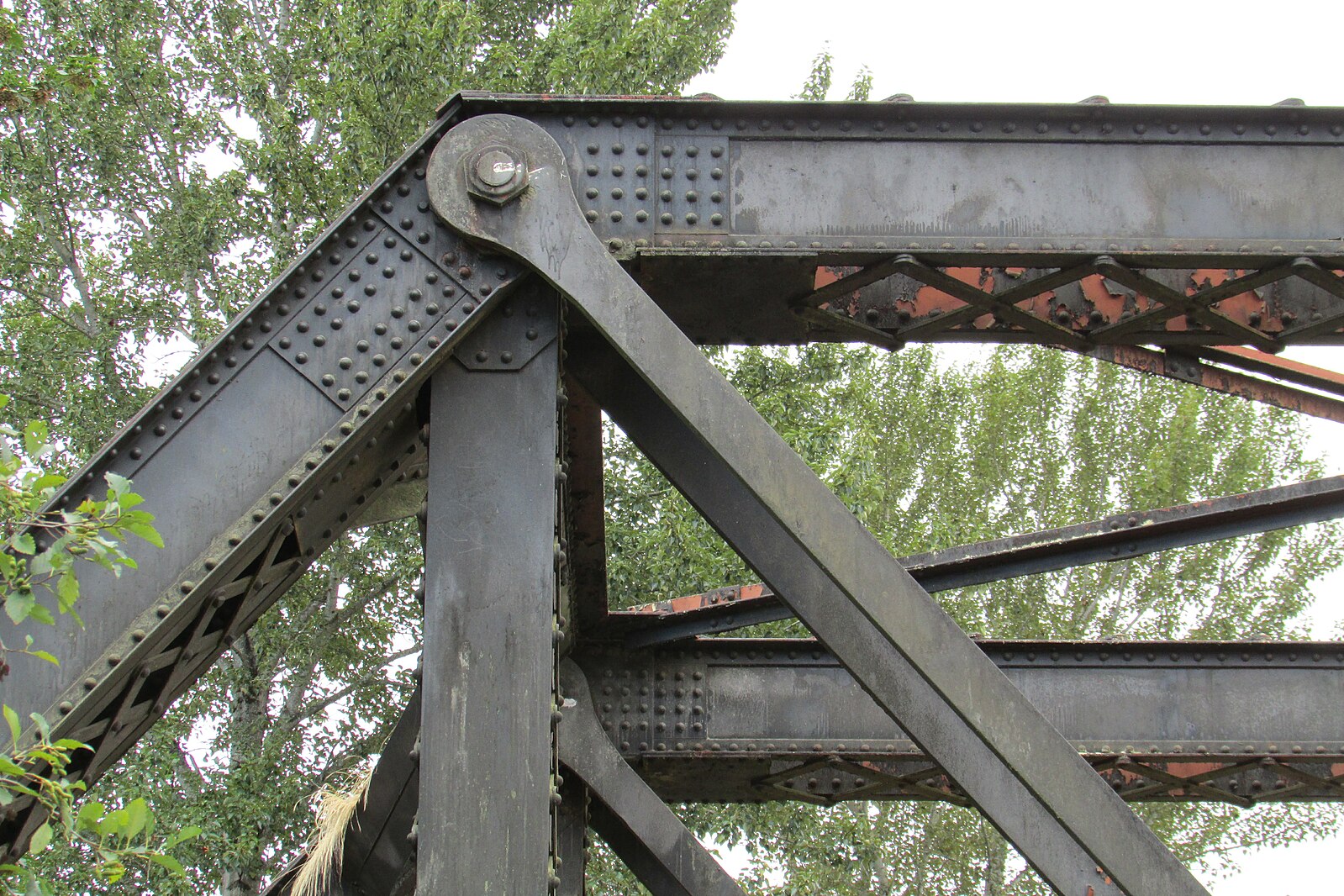
A Rice University fellow simulates the ins and outs of the familiar fasteners in pursuit of lean machines.
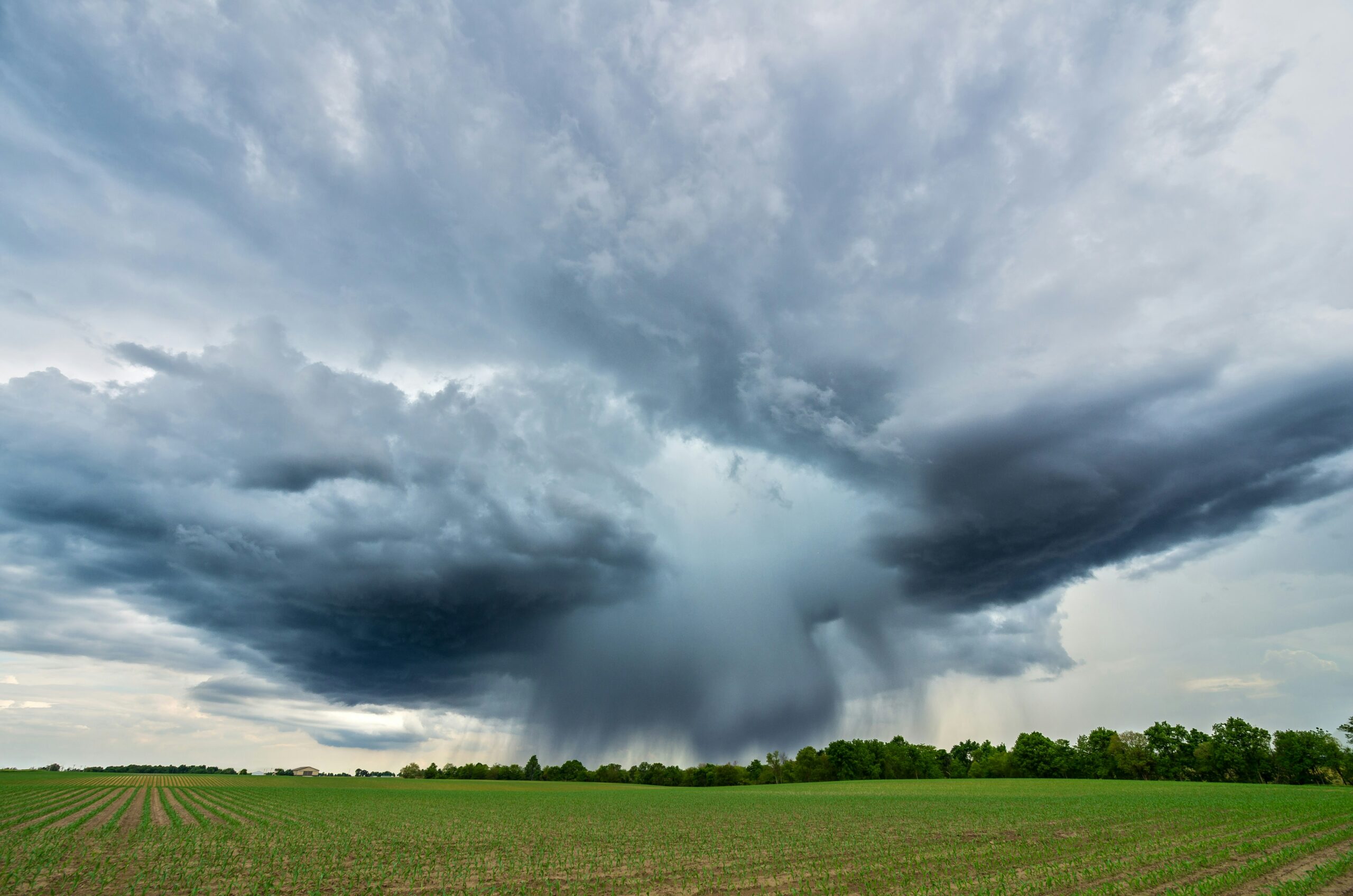

CogSim, a machine-learning approach modeled on the brain, coordinates simulations, experiments and data-analysis to yield results in fields from fusion energy to COVID-19.
Simulation looped in Read Post
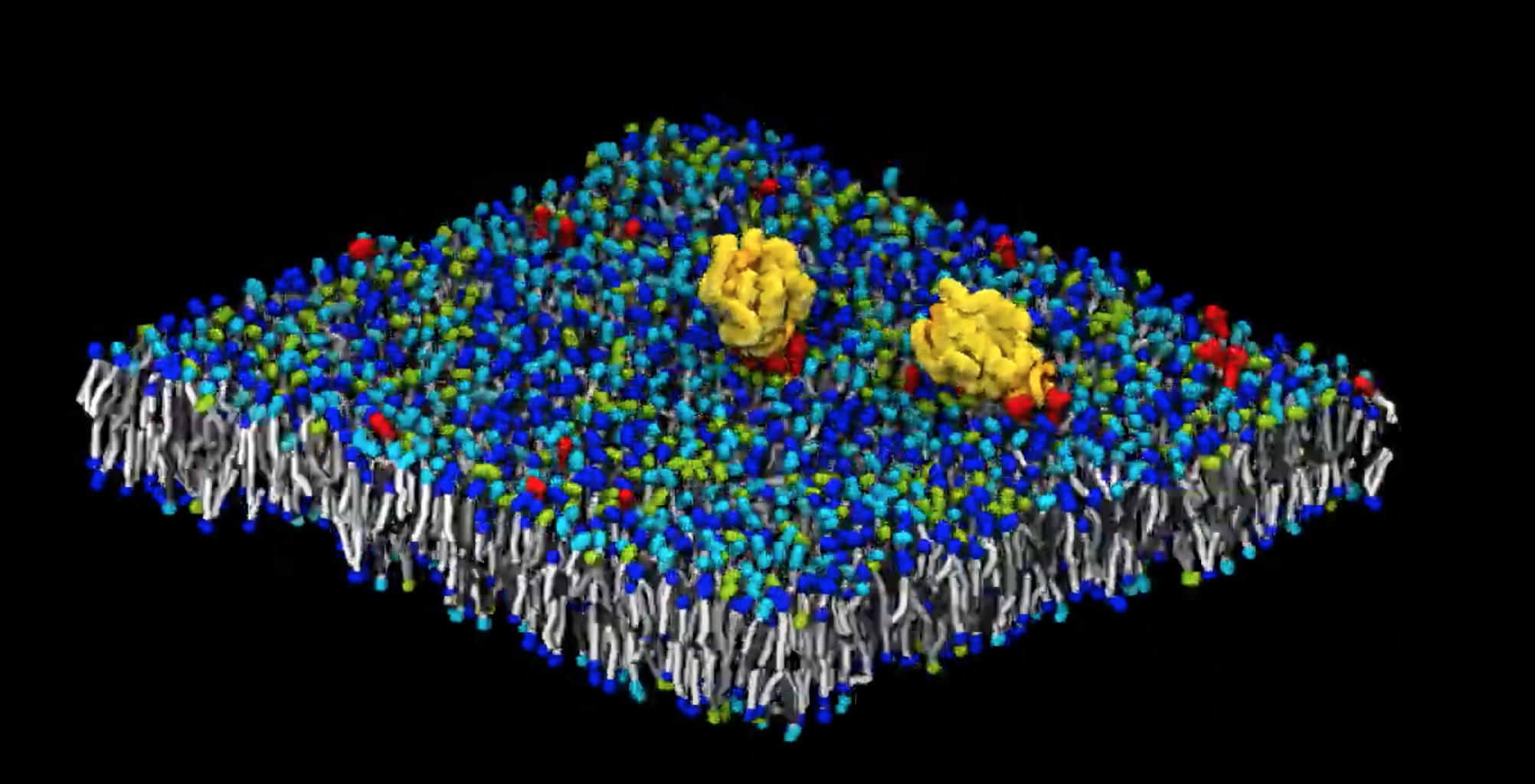
Cancer biology gets the supercomputing treatment on Oak Ridge’s Summit and Lawrence Livermore’s Sierra.
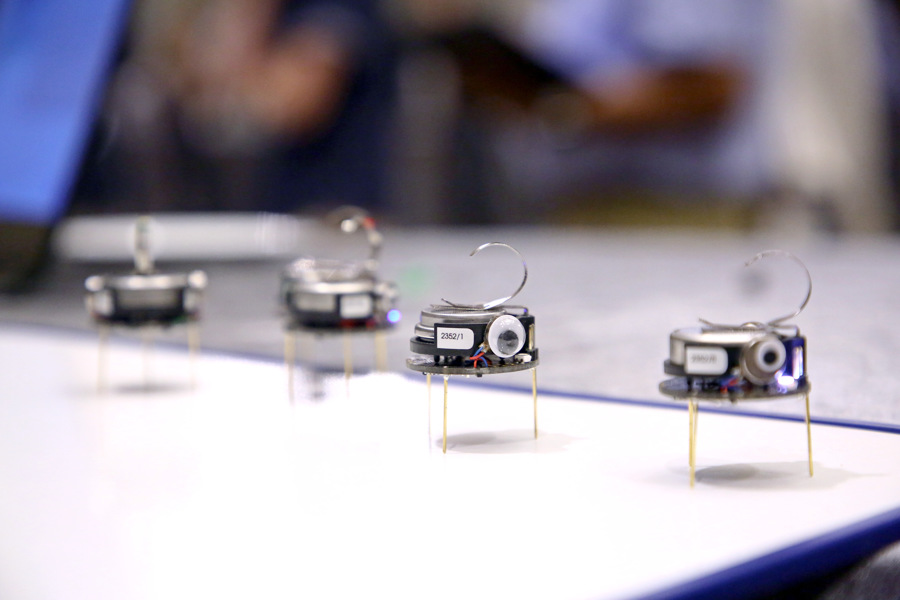
A DOE computational science fellow combines biology, technology and more to explore behavior, swarms and space.
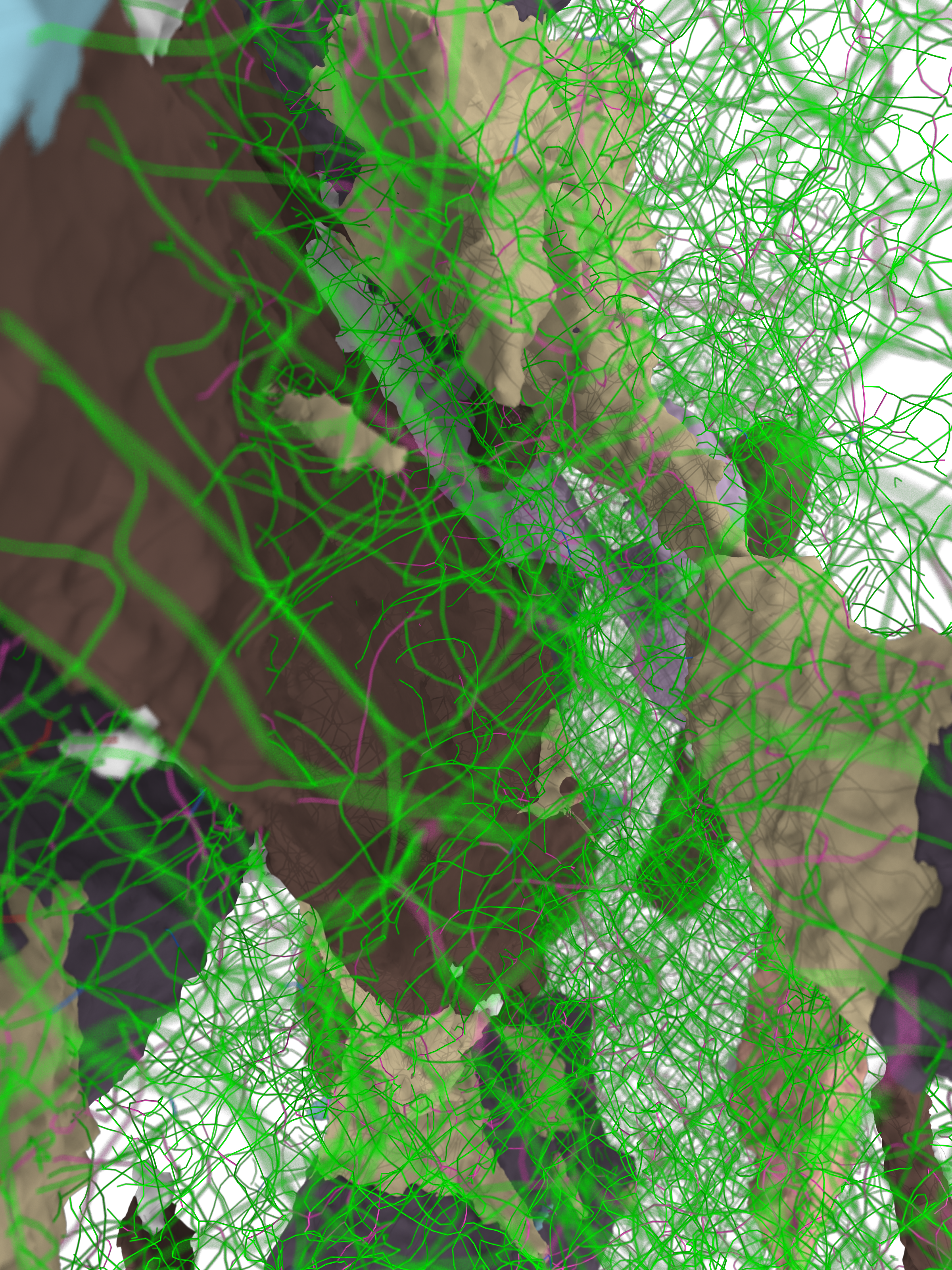
A Livermore team takes a stab, atom-by-atom, at an 80-year-old controversy over a metal-shaping property called crystal plasticity.
Forged in a Firestorm Read Post

A supercomputing co-design collaboration involving academia, industry and national labs tackles exascale computing’s monumental challenges.

Lawrence Livermore National Laboratory models the blood-brain barrier to find ways for drugs to reach their target.

At Lawrence Livermore National Laboratory, Computational Science Graduate Fellowship alum Brandon Wood applies the world’s most sophisticated molecular dynamics codes on America’s leading supercomputers to model hydrogen’s reaction kinetics.
Back to the hydrogen future Read Post

A Lawrence Livermore National Laboratory researcher simulates the physics that fuel the sun, with an eye toward creating a controllable fusion device that can deliver abundant, carbon-free energy.
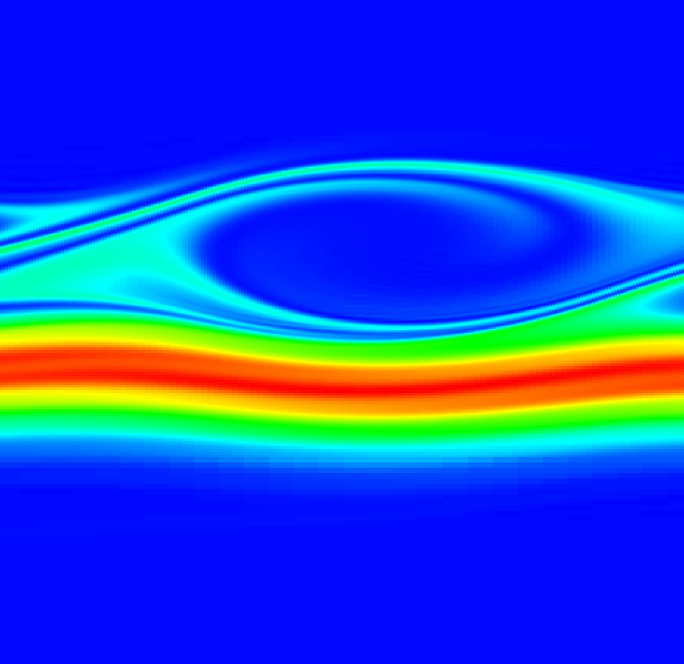
Plasmas are the purview of Livermore scientist and Computational Science Graduate Fellowship alumnus Jeffrey Hittinger. He works both sides of the fusion street – inertial confinement and magnetic confinement – while simulating aspects of these tremendously hot, fast-moving particle clouds.
A passion for pressure Read Post

Berni Alder’s Monte Carlo methods have solved problems across the scientific spectrum. Yet the Livermore-based National Medal of Science-recipient still has questions.
The master of Monte Carlo Read Post