
Problems inverse
An NYU fellow accelerates algorithms that run vital processes backward.

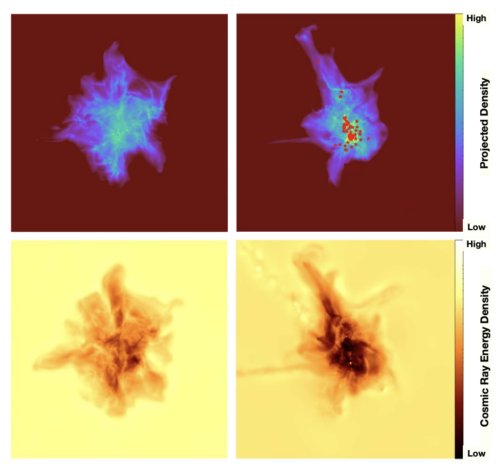
A UT Austin-based fellow blends physics and advanced computing to reveal cosmic rays’ role in stellar events.

An Argonne National Laboratory group uses supercomputers to model known and mysterious atomic arrangements, revealing useful properties.
Mapping the metastable Read Post

The superfacility concept links high-performance computing capabilities across multiple scientific locations for scientists in a range of disciplines.
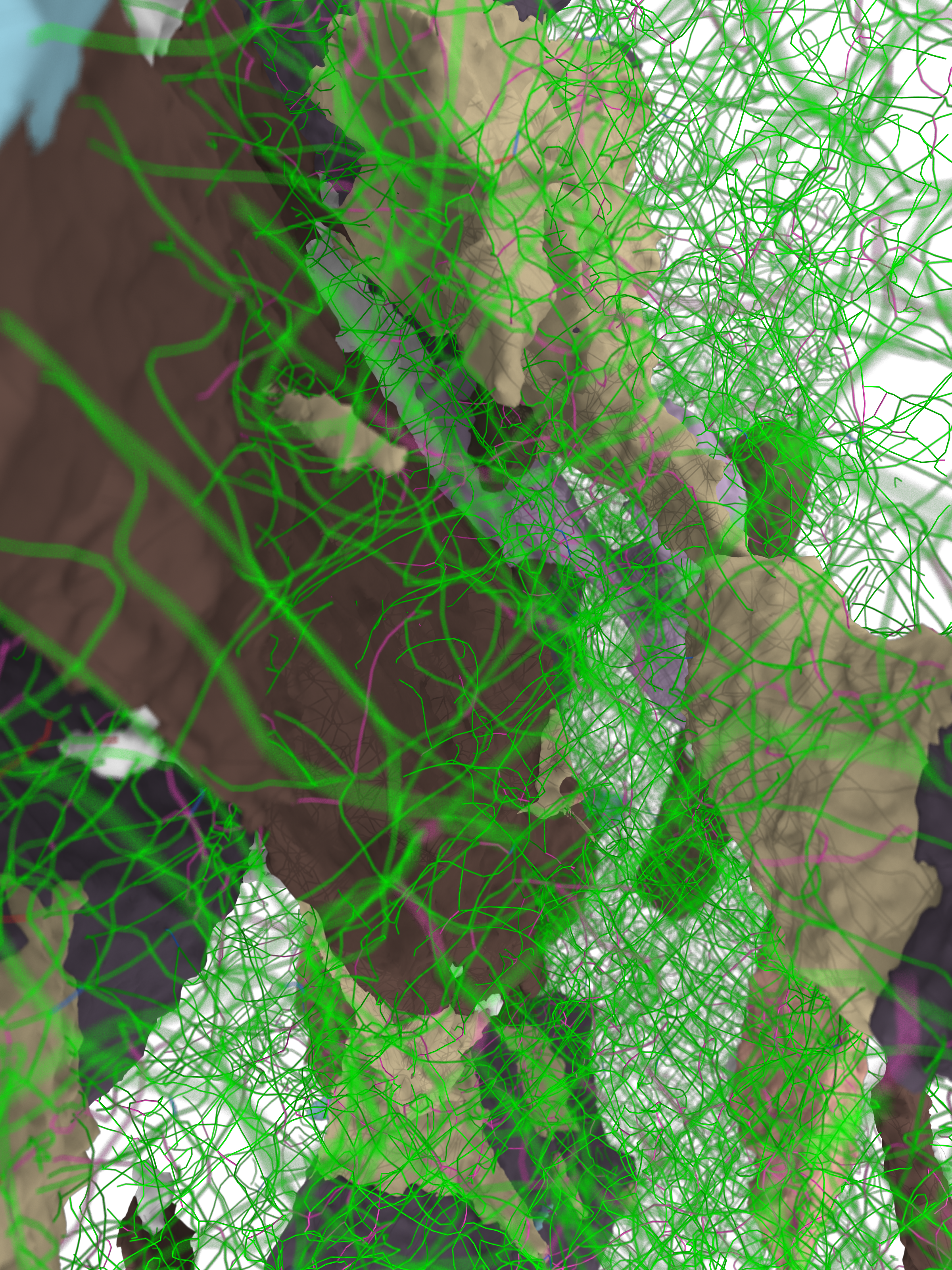
A Livermore team takes a stab, atom-by-atom, at an 80-year-old controversy over a metal-shaping property called crystal plasticity.
Forged in a Firestorm Read Post

A Sandia National Laboratories mathematician is honored for his work creating methods for supercomputers.
Connecting equations Read Post

Redirecting an old chip might change the pathway to tomorrow’s fastest supercomputers, Argonne National Laboratory researchers say.

Exploring the breaking and rejoining of magnetic-field lines requires simulations and computation. A simulation’s accuracy, however, depends on various issues
Sizing up the scales Read Post

When Earth’s magnetosphere snaps and crackles, power and communications technologies can break badly. Three-dimensional simulations of magnetic reconnection aim to forecast the space storms that disrupt and damage.
Predicting solar assaults Read Post
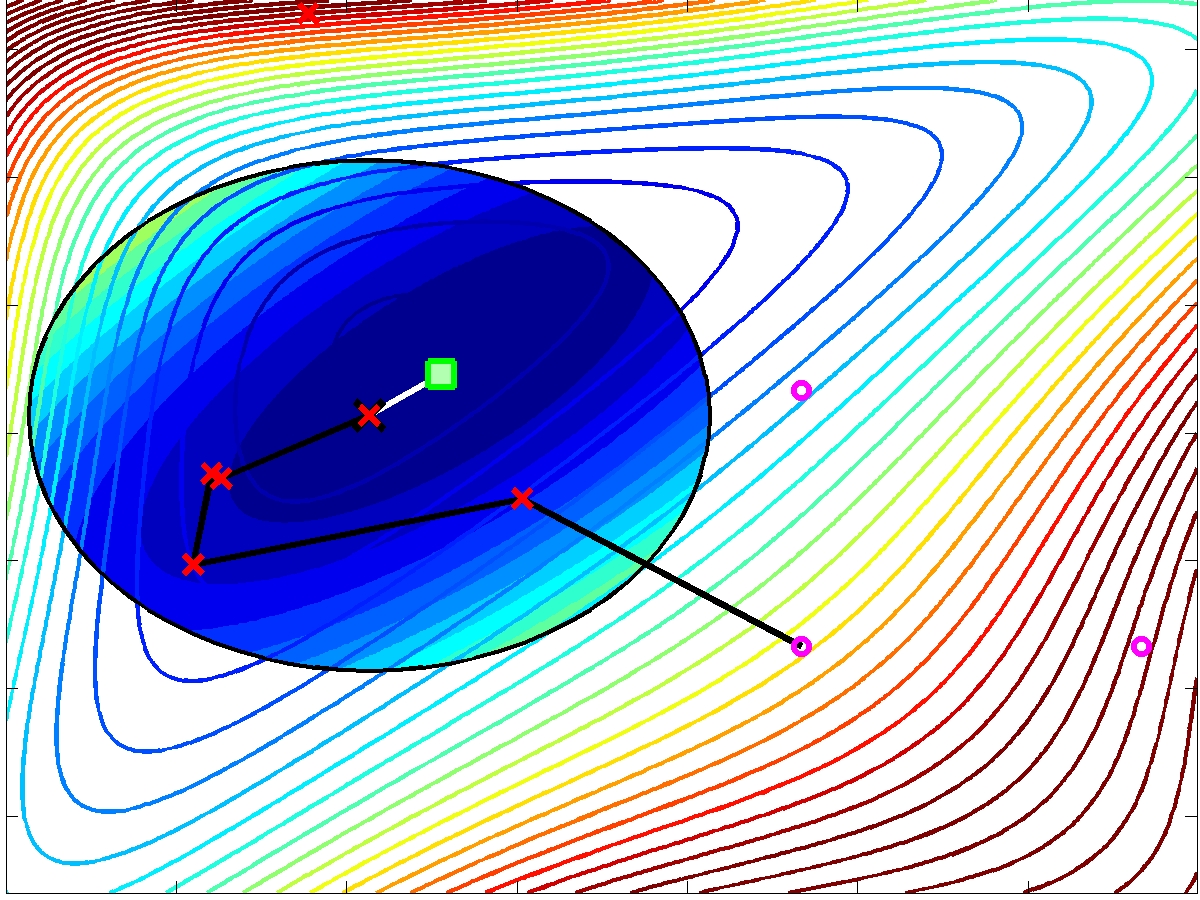
Thousands of tiny systems called atomic nuclei – specific combinations of protons and neutrons – prove extremely difficult to study but have big implications for nuclear stockpile stewardship. To describe all of the nuclei and the reactions between them, a nationwide collaboration is devising powerful algorithms that run on high-performance computers.
Pounding out atomic nuclei Read Post
Density functional theory (DFT) can be used to determine densities of protons and neutrons making up a nucleus. “If we
Cranking up the speed of DFT Read Post