
Nanogeometry
With a boost from the Titan supercomputer, a Berkeley Lab group works the angles on X-rays to analyze thin films of interest for the next generation of nanodevices.
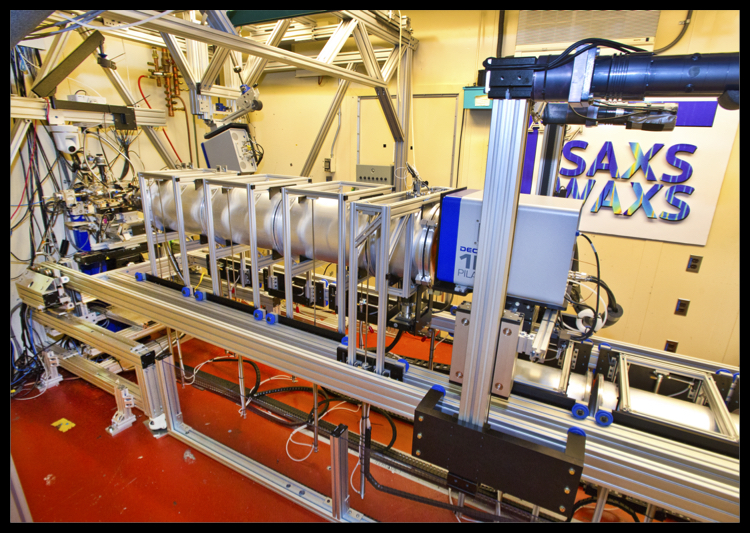
With a boost from the Titan supercomputer, a Berkeley Lab group works the angles on X-rays to analyze thin films of interest for the next generation of nanodevices.
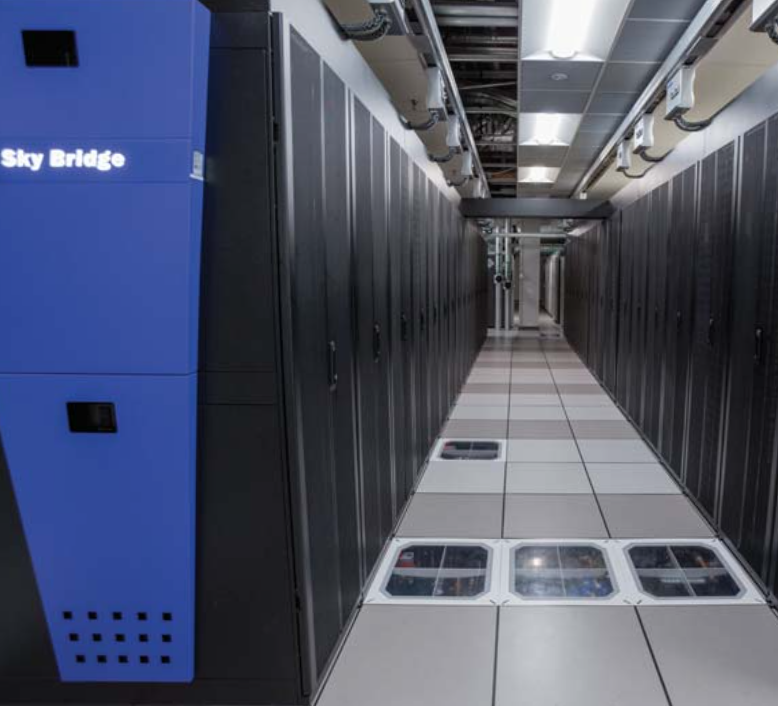
An alternative computing benchmark emerges to reflect scientific performance.
Multitalented metric Read Post

A team working on the Titan supercomputer simulates the biggest thing of all in a flash, then shares.
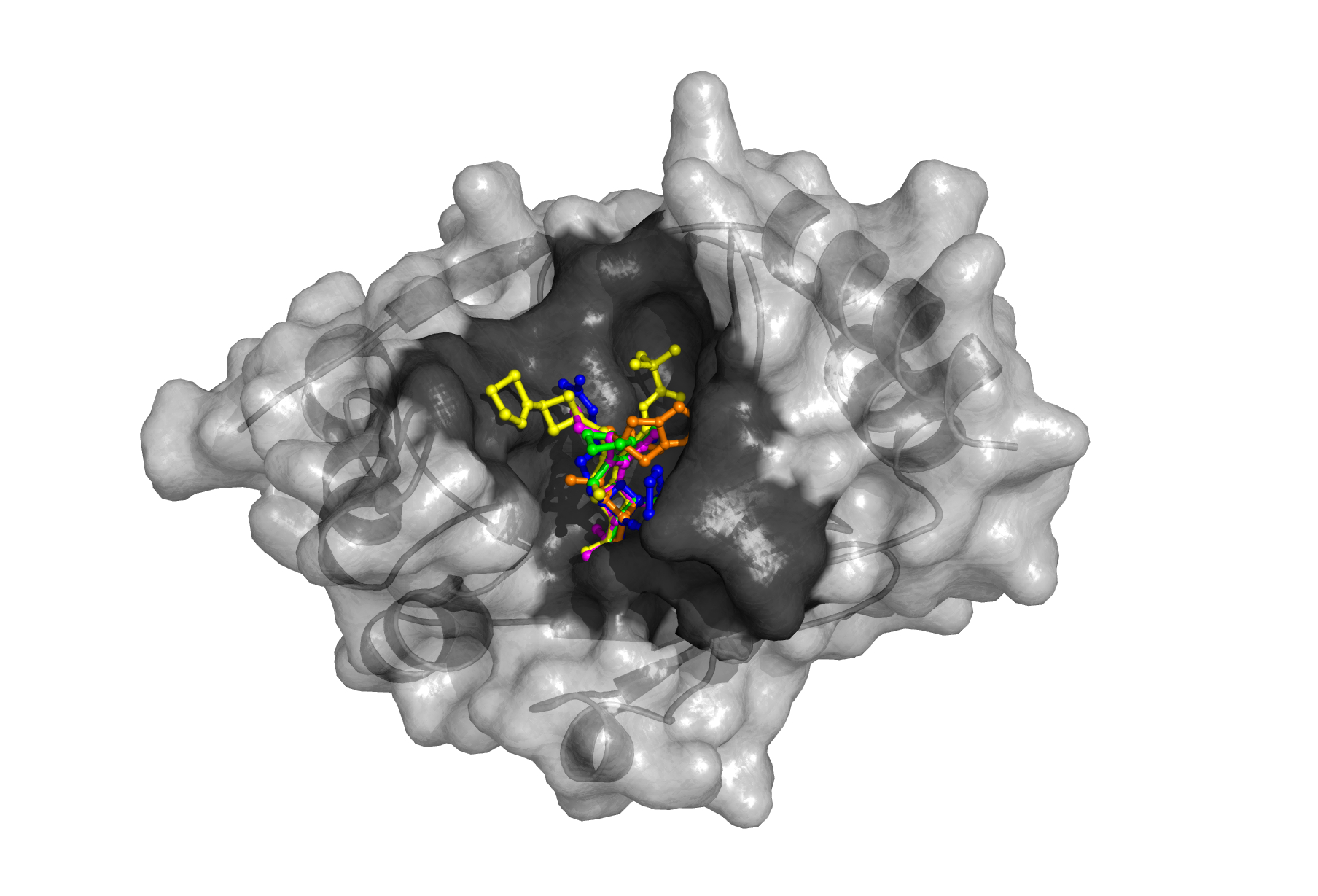
To find a path around antibiotic resistance, a team working with the Intrepid supercomputer at Argonne National Laboratory is simulating molecular binding interactions to rapidly vet new infection-fighting candidates.
Overcoming resistance Read Post

Speed kills, as the slogan says, and in computers what it kills could be disease. Argonne National Laboratory researcher Andrew

A Pacific Northwest National Laboratory computation suggests that the water-gas compounds found in ocean permafrost can provide energy and store it, too – and then trap carbon dioxide.
Twice-stuffed permafrost Read Post
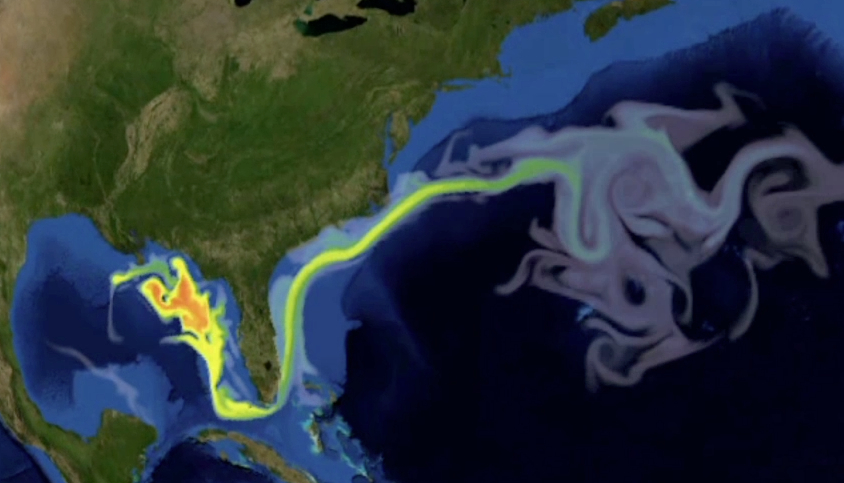
While others predicted when oil from the Deepwater Horizon spill in the Gulf of Mexico might reach beaches, ocean modelers at Los Alamos National Laboratory and the National Center for Atmospheric Research asked when gushing oil might exit the Gulf, where it would go and how diluted it’d be, up to a year later.
A long view of Gulf oil spill Read Post
National Center for Atmospheric Research oceanographer Synte Peacock studies “the distribution of various tracers – something that tags a water
Tracing CFCs and greenhouse gases Read Post
If FASTER can be considered a jet that speeds global climate modelers to analyze fast physics processes, its wings are
The wings that fly FASTER Read Post