
Learning climate
A Colorado State fellow employs machine learning for climate modeling, putting provenance behind predictions.

A Colorado State fellow employs machine learning for climate modeling, putting provenance behind predictions.

A LANL statistician helps cosmologists and epidemiologists grasp their data and answer vital questions.
Statistically significant Read Post
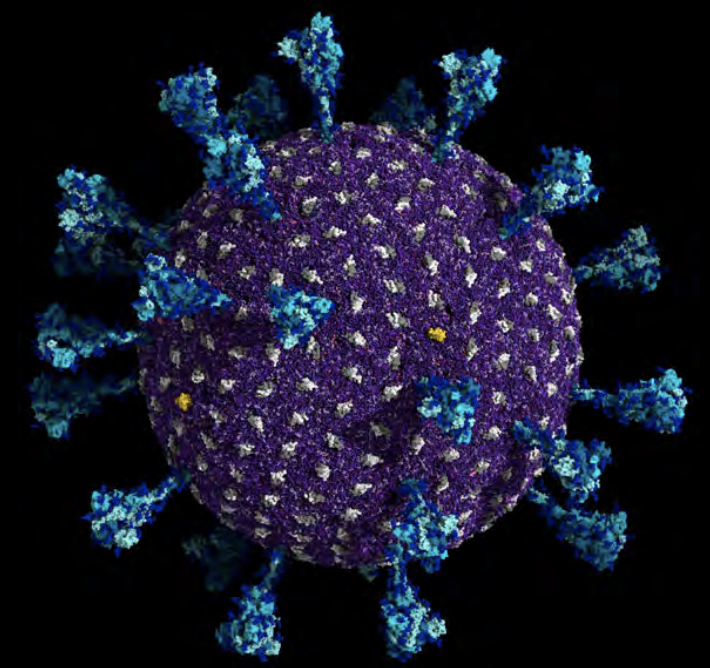
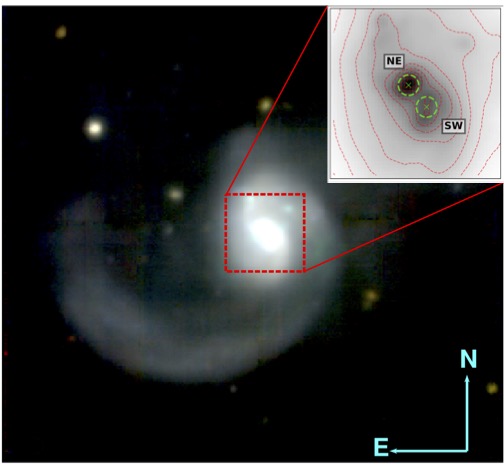
A DOE CSGF recipient studies transients, celestial objects that appear suddenly and rapidly fade.

A fellow helps guide an international volunteer effort to develop COVID Watch, a mobile telephone application that prioritizes privacy.
Pandemic view – plus privacy Read Post
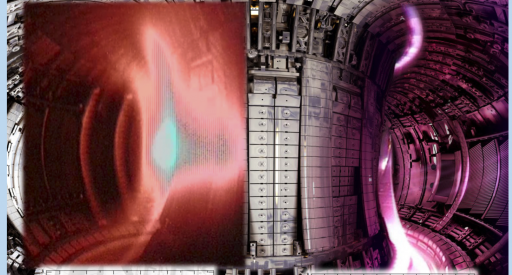

More than 10 years after simulations first suggested its presence, observations appear to confirm that a key instability drives the shock behind one kind of supernova.

For discovering significant supernova phenomena and simulation flaws, several pairs of eyes beat pages of numbers, Anthony Mezzacappa says. Data
Big explosions, big pictures Read Post
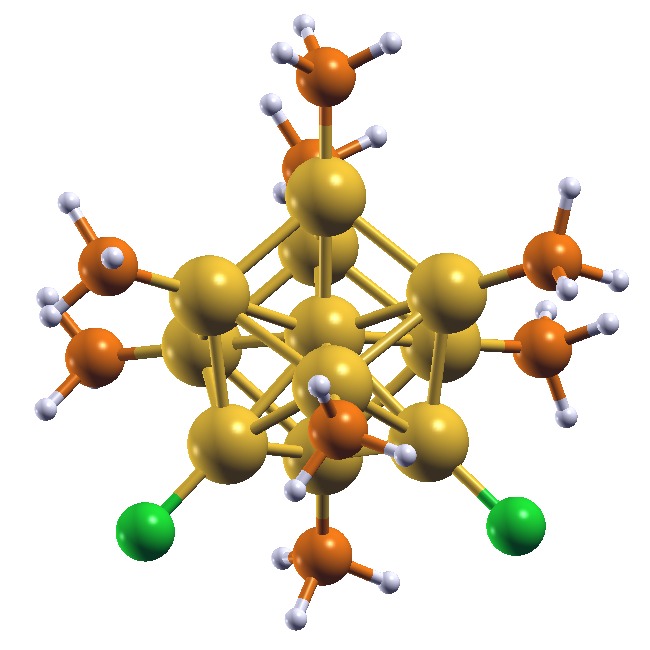
Driven by what’s missing in experiments, Brookhaven’s Yan Li applies quantum mechanics to compute the physical properties of materials.

Portraying airflow over wings and other fluid movement is tricky. A Department of Energy award for early-career researchers is helping a former DOE CSGF fellow devise mathematical methods to decrease the error rate in fluid modeling.
Foiling airflow error Read Post
In 2007, when Oak Ridge National Laboratory (ORNL) researchers calculated that adding boron would bend carbon nanotubes, they did little
A spontaneous collaboration Read Post
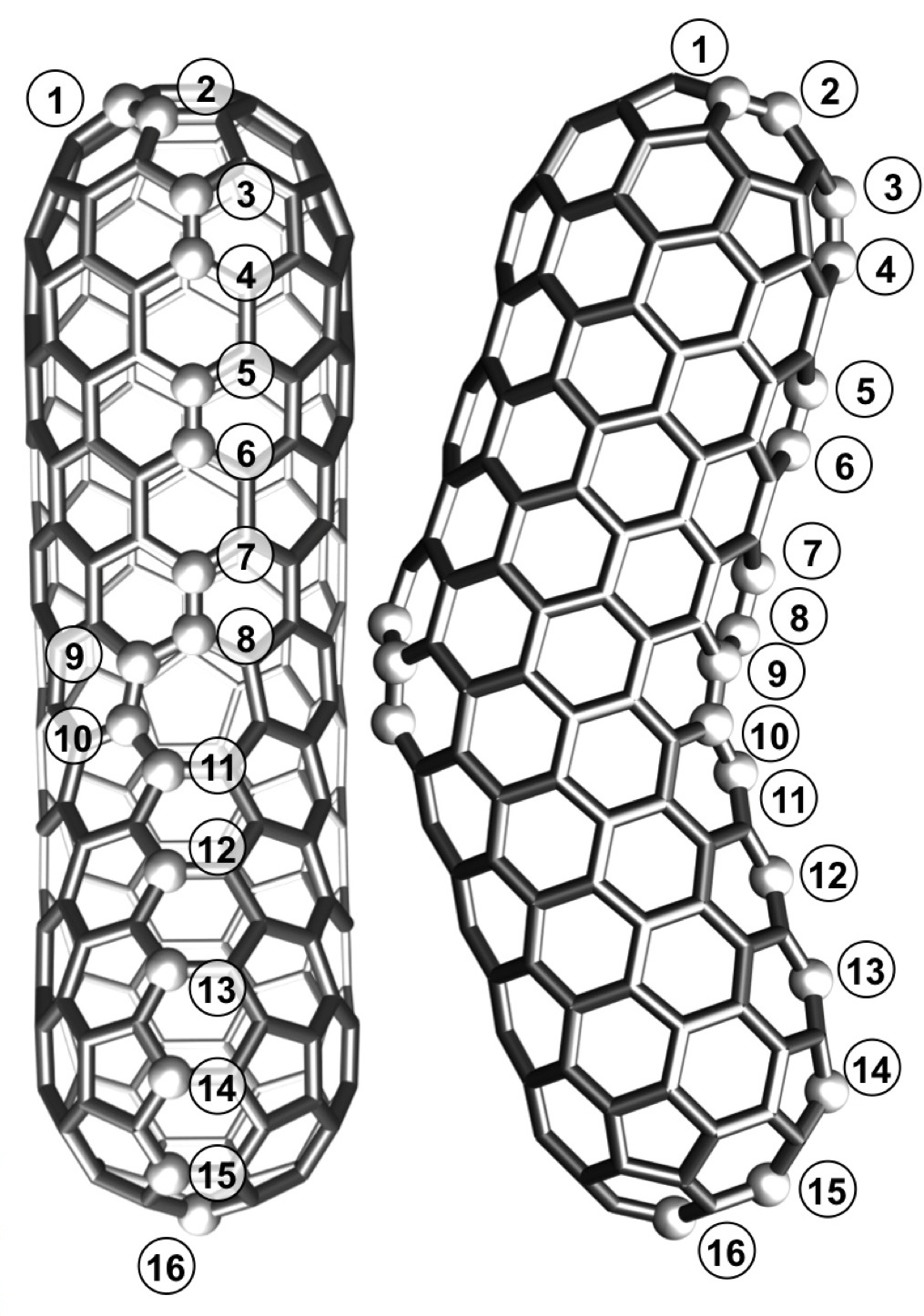
With the help of Oak Ridge computations, scientists are probing the properties of macroscale sponges made of nanoscale carbon-boron tubes. The material could soak up oil spills, help store energy or meet other needs.
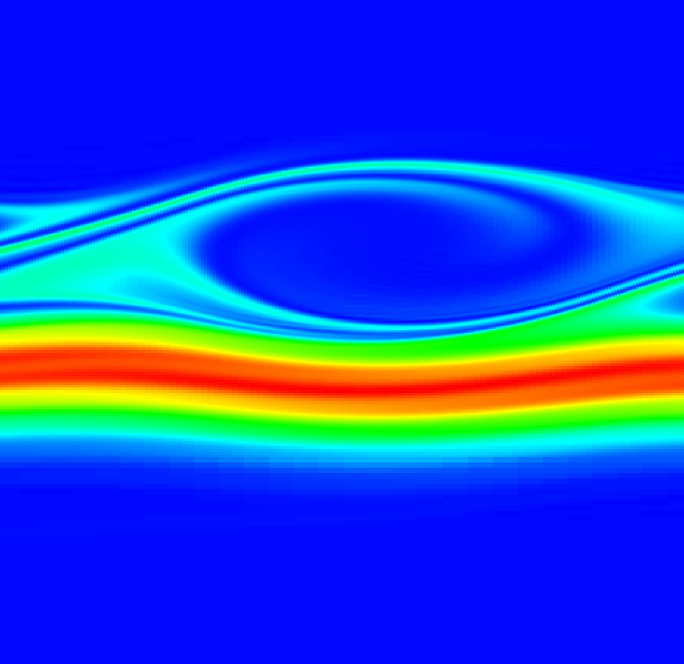
Plasmas are the purview of Livermore scientist and Computational Science Graduate Fellowship alumnus Jeffrey Hittinger. He works both sides of the fusion street – inertial confinement and magnetic confinement – while simulating aspects of these tremendously hot, fast-moving particle clouds.
A passion for pressure Read Post
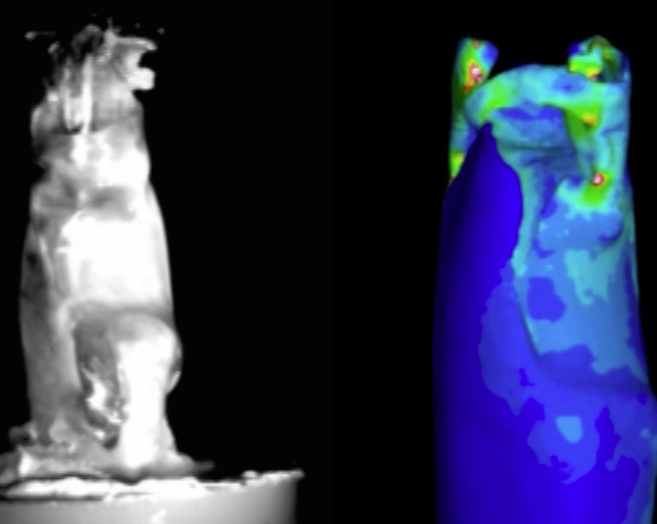
The mantis shrimp packs one of the strongest punches on Earth. Computational Science Graduate Fellow Michael Rosario is investigating the physics, design and material properties behind the crustacean’s prey-crunching wallop. His research has landed him on the National Geographic Wild channel.
For one summer, Sarah Richardson postponed her work computerizing yeast genome research and probed bacteria instead. As part of her
Boosting Berkeley Lab’s bacteria research Read Post
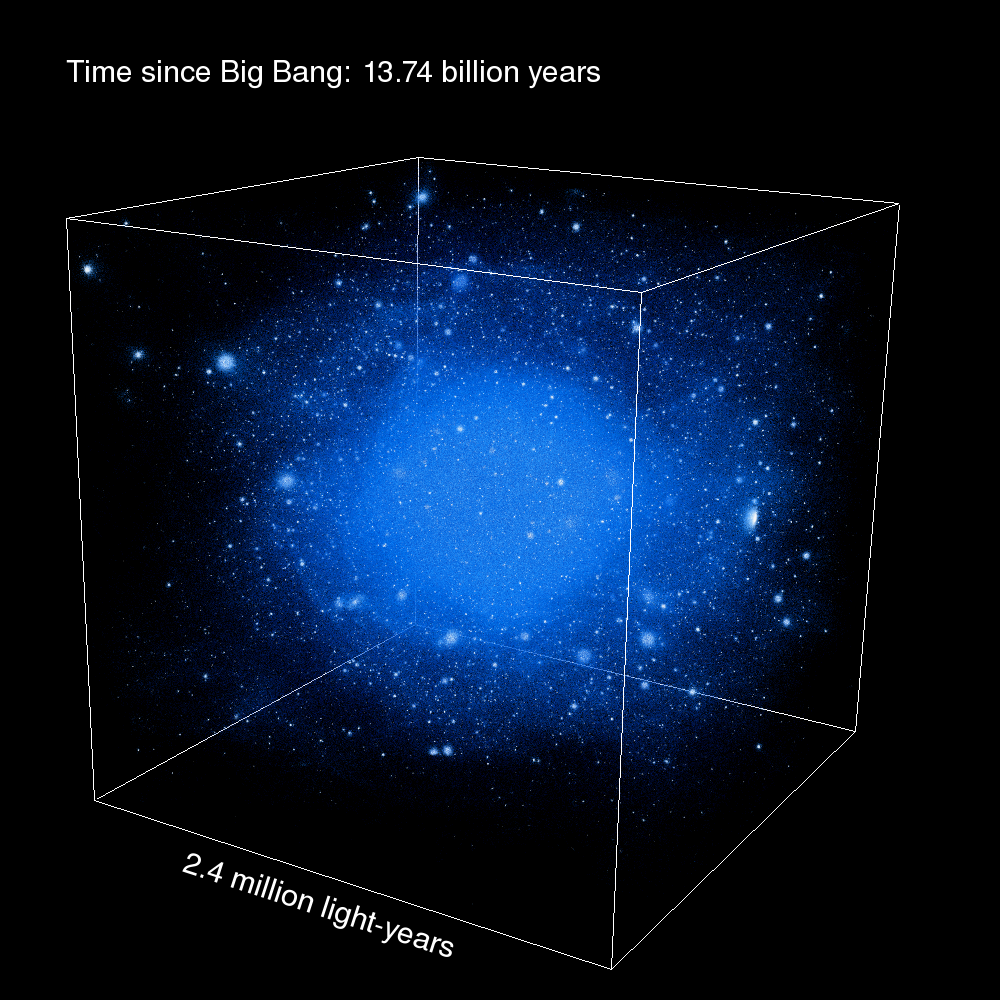
Armed with computing power from Oak Ridge National Laboratory, researchers are detailing the nature of dark matter surrounding a galaxy much like our own Milky Way.
Seeing the invisible Read Post
Collisions in dark matter “clumps” should produce gamma rays, but a satellite looking for them has come up empty so far.
Dark matter predictions put to test Read Post
A detector suggested dark matter collisions, but no other test has seen similar signs.
Parsing particle experiments Read Post
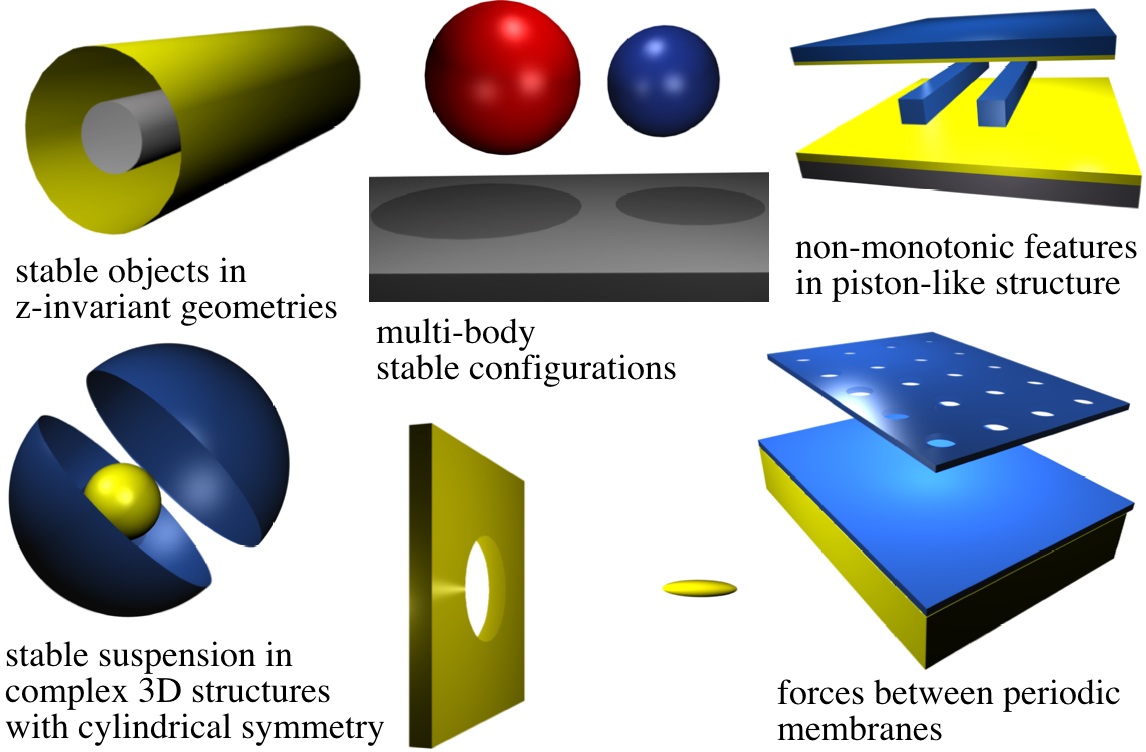
A quantum curiosity called the Casimir force gums up micro- and nanomachines. Work at MIT led by a newly minted alumnus of the DOE Computational Science Graduate Fellowship suggests uses for the force – and ways around it.
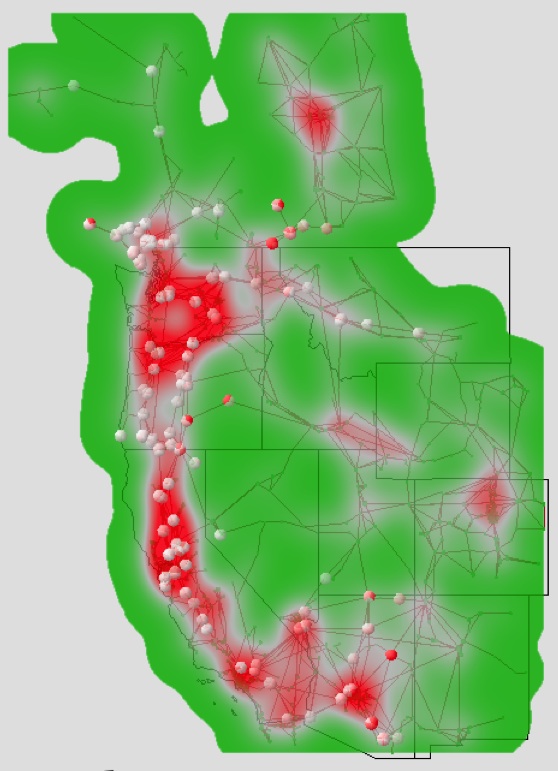
A PNNL team enlists new algorithms and powerful computers to quickly analyze which combinations of failures most threaten the power grid.
Getting a grip on the grid Read Post
A supercomputer’s unusual qualities make it a good fit with electric system problems.
Grids grasp at multiple threads to block blackouts Read Post
Computation and experimentation combine to improve and speed design of useful compounds.
Putting catalysts on track Read Post

What Oak Ridge National Laboratory researchers are learning could help make ethanol from cellulose a viable fuel alternative – and help the United States replace foreign oil with a green, renewable resource.
Breaking the biomass barrier Read Post
Image searches typically rely on tags – text humans have attached to the pictures to identify objects or people they
Program may mean cutting the tags Read Post
Pacific Northwest National Laboratory researchers say their algorithms can analyze millions of video frames, pluck out the faces and quantify them to create searchable databases for facial identification.