
Virtual vessels
The circulatory simulations a Computational Science Graduate Fellowship alumna now at Duke University could help physicians choose the best treatments before operating.
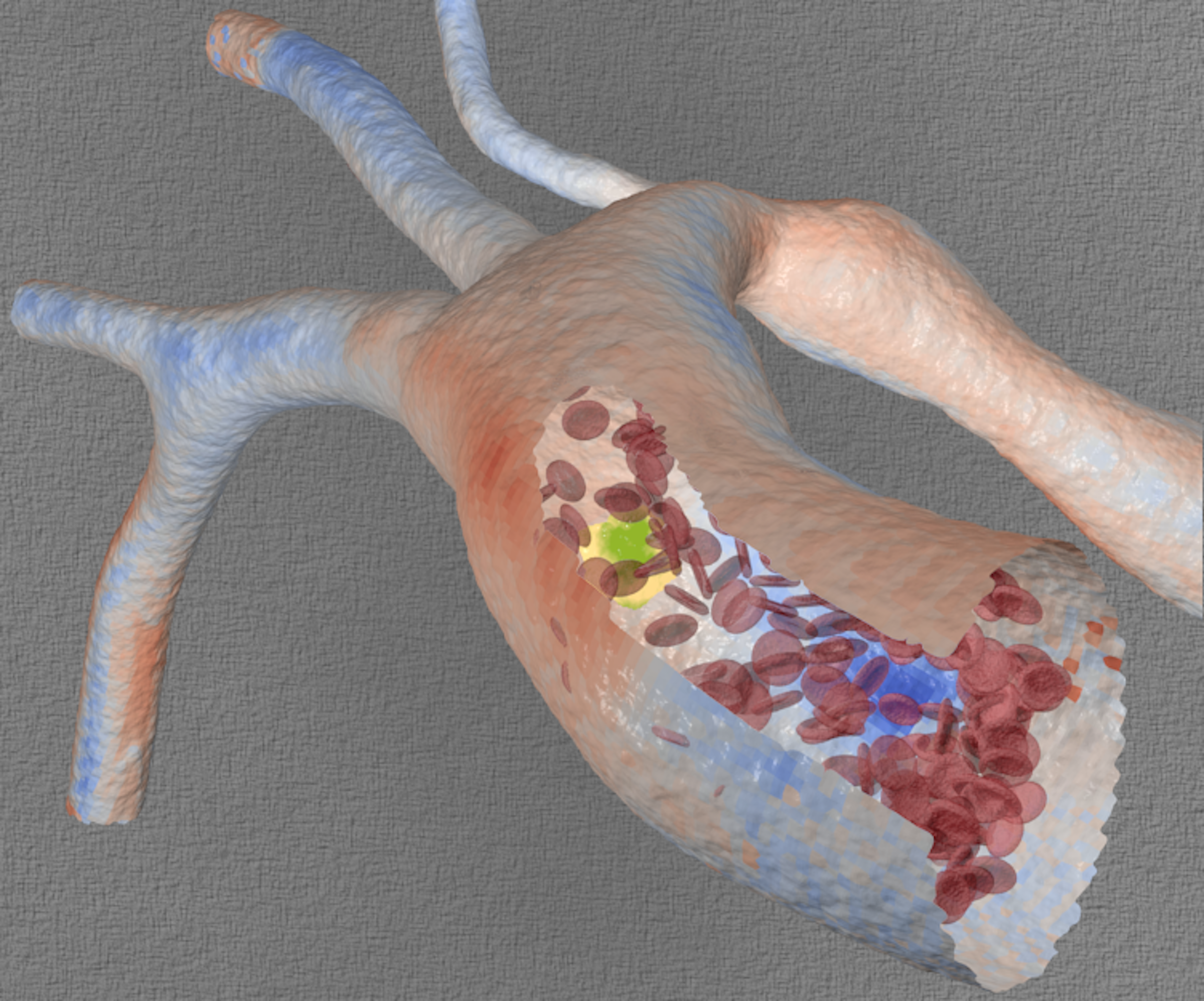
The circulatory simulations a Computational Science Graduate Fellowship alumna now at Duke University could help physicians choose the best treatments before operating.

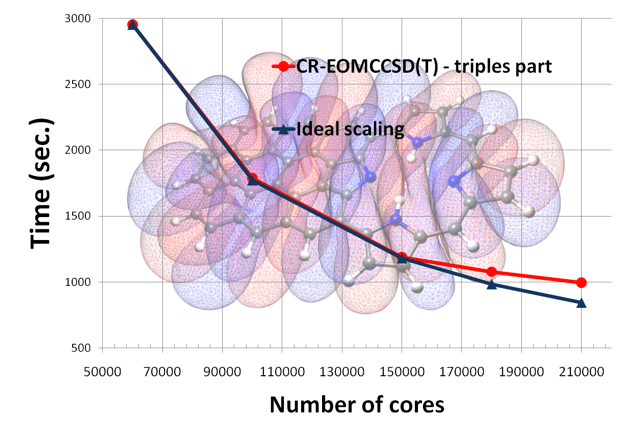
A Pacific Northwest National Laboratory researcher is developing approaches to spread the work evenly over scads of processors in a high-performance computer and to keep calculations clicking even as part of the machine has a hiccup.
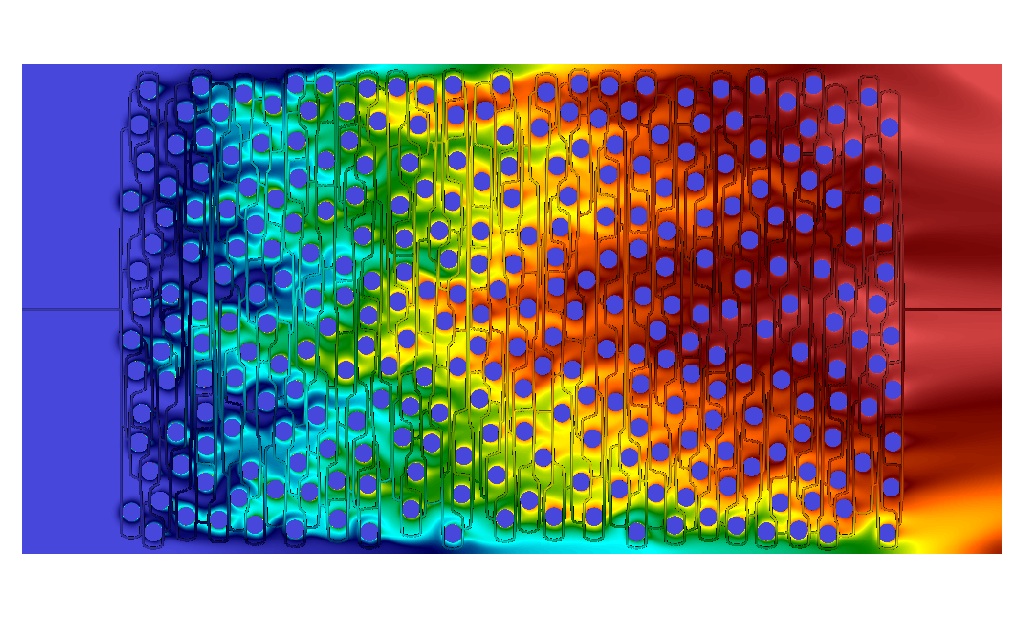
To prevent important information from being missed, a Berkeley Lab team is improving how supercomputers divvy up the ponderous tasks surrounding large simulations’ analytics and visualization.
Filling in the blanks Read Post
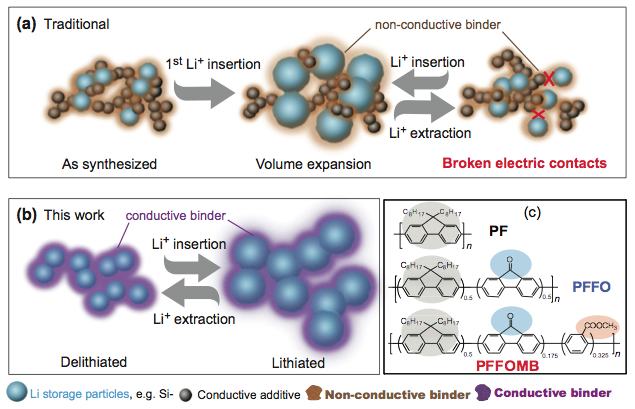
Berkeley scientists have combined computational modeling and advanced materials synthesis to devise a low-cost anode that bolsters the feasibility of long-life lithium-ion batteries.
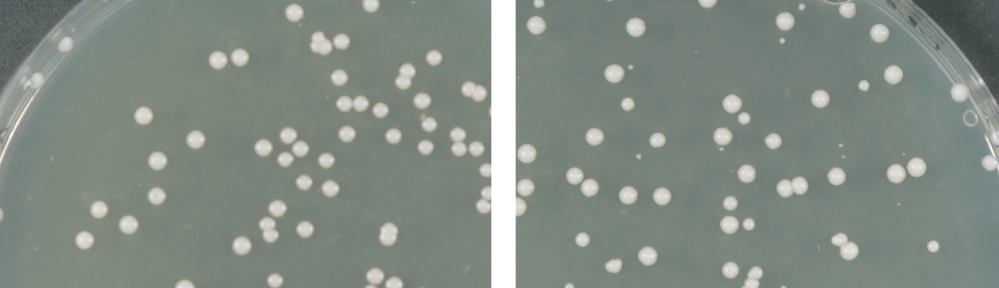
A Johns Hopkins University team has built a yeast chromosome from scratch, they report today in the journal Nature. Sarah Richardson used what she learned as a Computational Science Graduate Fellow to help design and monitor the chromosome’s construction.

The ceremony in the East Room of the White House, where President Obama bestowed the National Medal of Science on
A well-placed plug for the humble algorithm Read Post

Berni Alder’s Monte Carlo methods have solved problems across the scientific spectrum. Yet the Livermore-based National Medal of Science-recipient still has questions.
The master of Monte Carlo Read Post
Computation ferrets out emergent behaviors of novel materials built from tiny blocks.
Nanostructural problem-solvers Read Post