
Machine-learning atoms
A University of Alabama fellow shows that AI models learn to simulate atomic interactions.
Machine-learning atoms Read Post

A University of Alabama fellow shows that AI models learn to simulate atomic interactions.
Machine-learning atoms Read Post

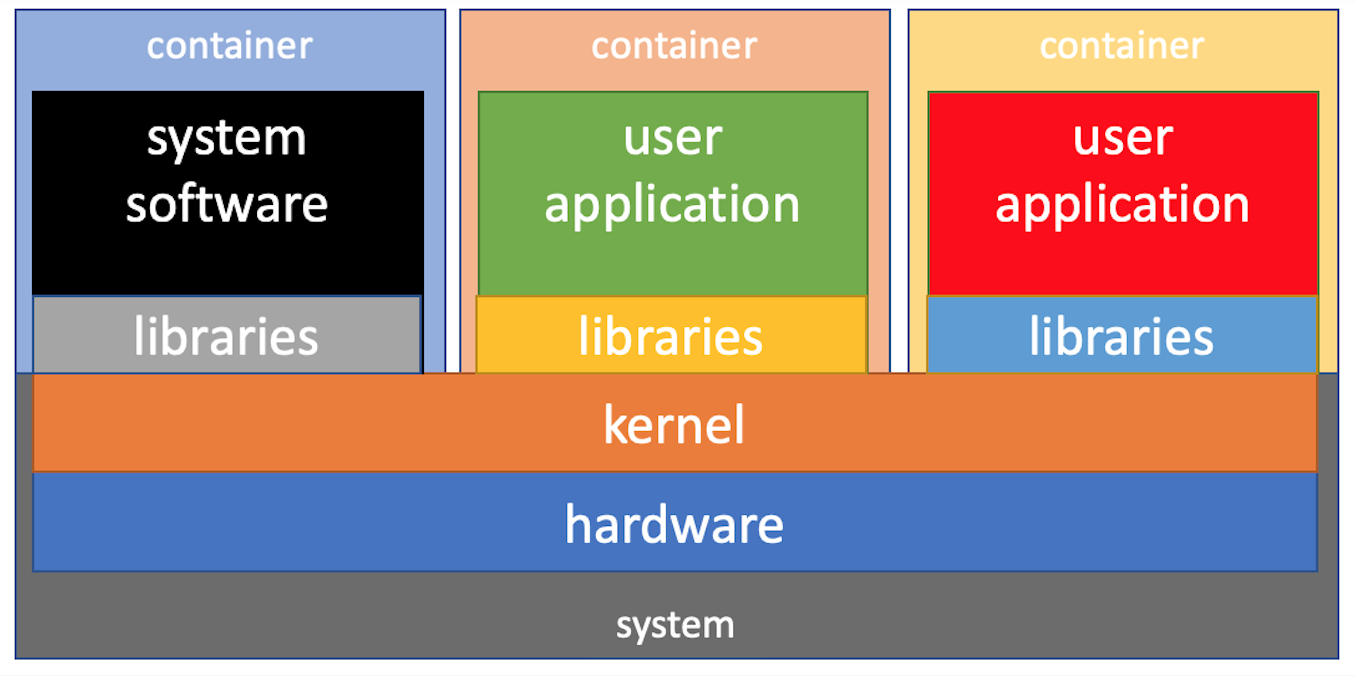
At Los Alamos, novel container software is accelerating innovative science while ensuring supercomputer reliability and uptime.

A computational mathematician finds a national lab ideal for a highly collaborative career.
Optimized for discovery Read Post

On the roads around the Bay Area in 2015, there’s a good chance Brandon Wood will spot one of the

At Lawrence Livermore National Laboratory, Computational Science Graduate Fellowship alum Brandon Wood applies the world’s most sophisticated molecular dynamics codes on America’s leading supercomputers to model hydrogen’s reaction kinetics.
Back to the hydrogen future Read Post

Simulations at Sandia National Laboratories reveal that using magnetism to heat and insulate fusion fuel could recreate solar conditions in the lab.
A new Sandia National Laboratories-based approach to fusion that’s shown promise in computational simulations has passed its first bricks-and-mortar experimental
Putting Big Squeeze Fusion to the Test Read Post
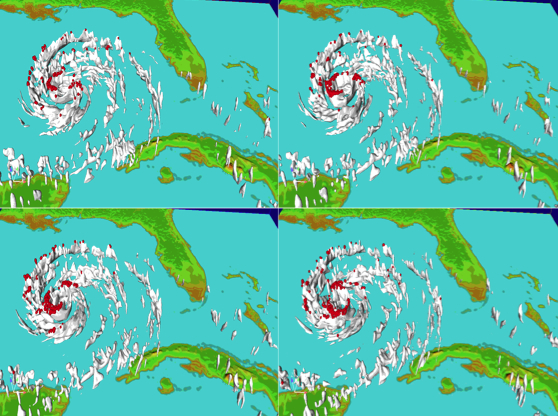
Computer simulations of hurricane lightning could be the key to predicting and avoiding the storms’ real-world punch.
Enlightening predictions Read Post
Klaus Mueller’s latest n-dimensional visualization work capitalizes on a decade-long collaboration with Department of Energy atmospheric chemist Alla Zelenyuk, work
Mining for aerosols and other particles Read Post