
A fusion fix
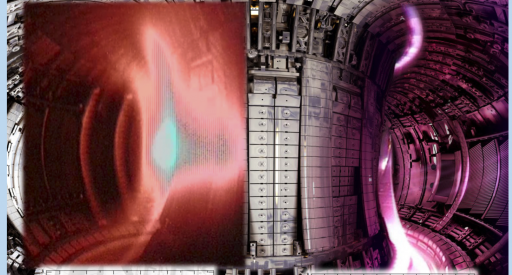
Graduate fellow leads software project to head off damaging fusion energy disruptions.

A Sandia National Laboratories mathematician is honored for his work creating methods for supercomputers.
Connecting equations Read Post
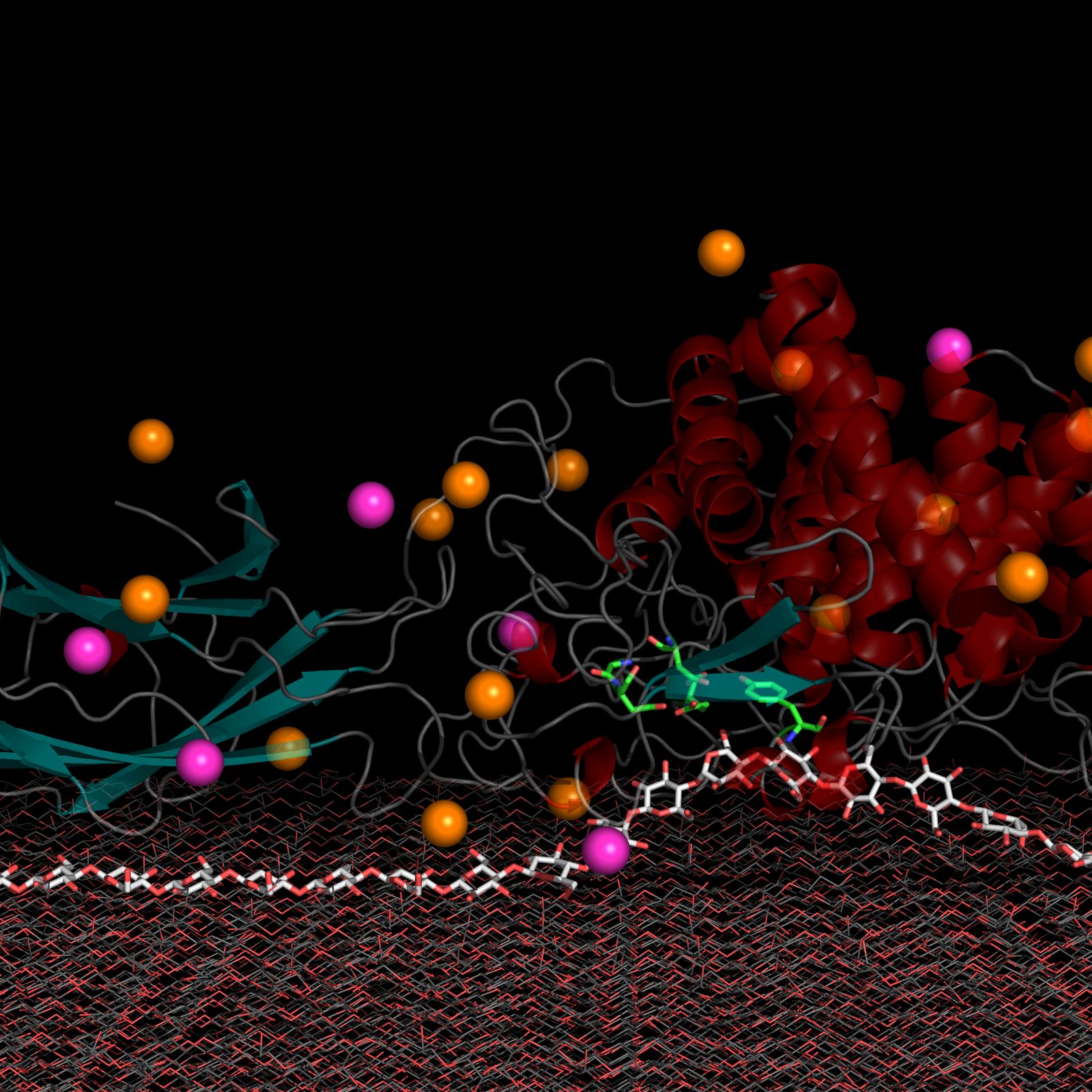
High-quality computational models of enzyme catalysts could lead to improved access to biofuels and better carbon capture.
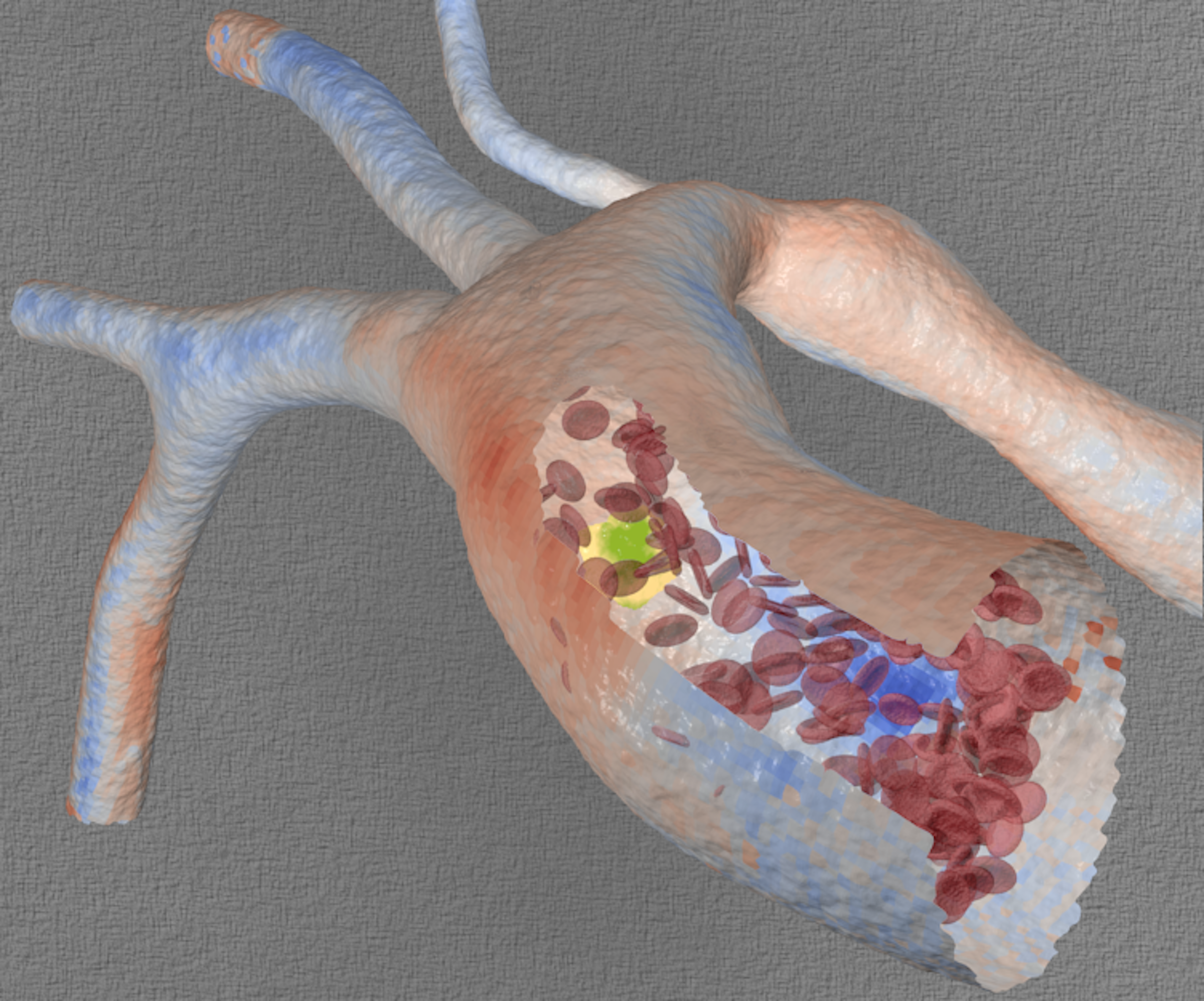
The circulatory simulations a Computational Science Graduate Fellowship alumna now at Duke University could help physicians choose the best treatments before operating.
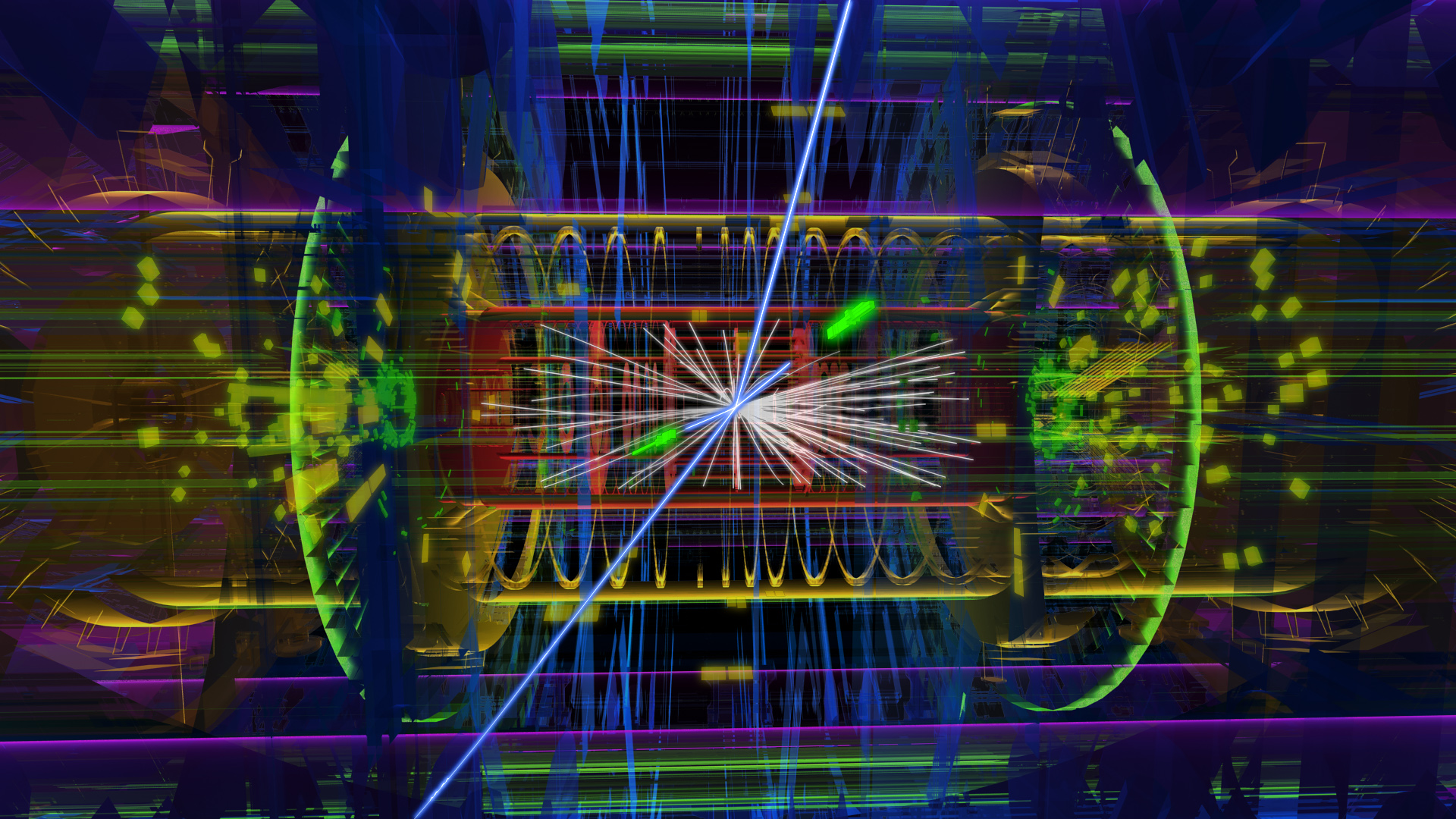
A data-management system called PanDA anticipated cloud computing to analyze the universe’s building blocks.
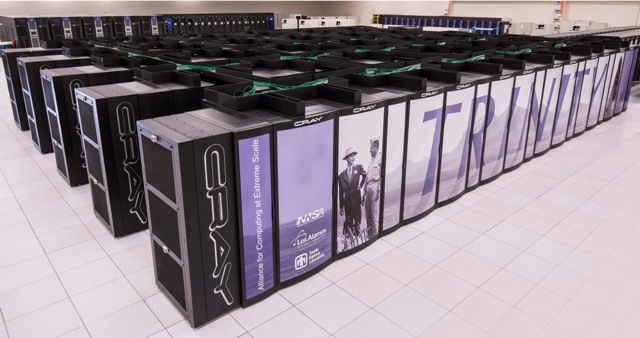
The unusual architecture in Los Alamos National Laboratory’s newest supercomputer is a step toward the exascale – systems around a hundred times more powerful than today’s best machines.
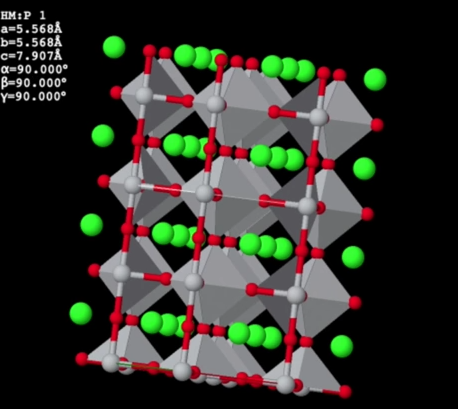
A Berkeley Lab project computes a range of materials properties and boosts the development of new technologies.
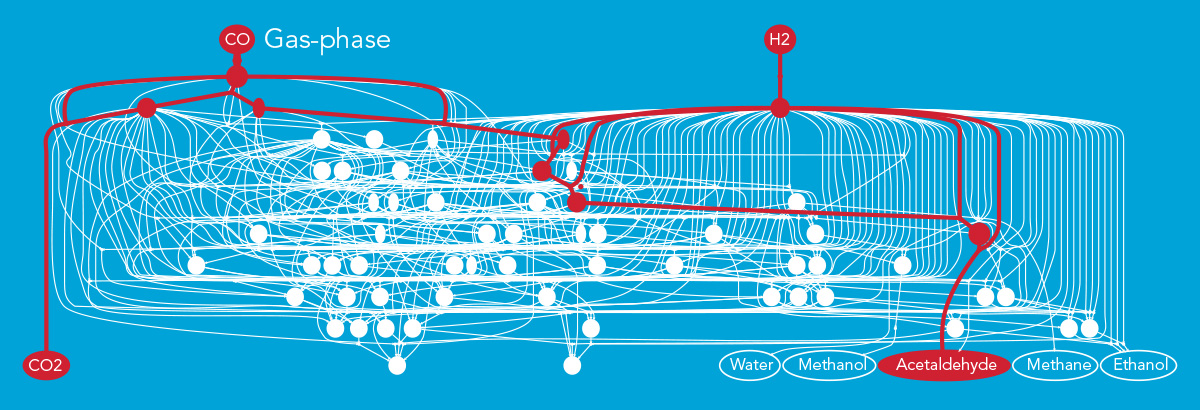
Replacing lab tedium for efficiency, SLAC-Stanford team taps machine learning to screen for chemicals with promising properties.

Lawrence Livermore National Laboratory models the blood-brain barrier to find ways for drugs to reach their target.

Redirecting an old chip might change the pathway to tomorrow’s fastest supercomputers, Argonne National Laboratory researchers say.