
Enlightening predictions
Computer simulations of hurricane lightning could be the key to predicting and avoiding the storms’ real-world punch.
Enlightening predictions Read Post
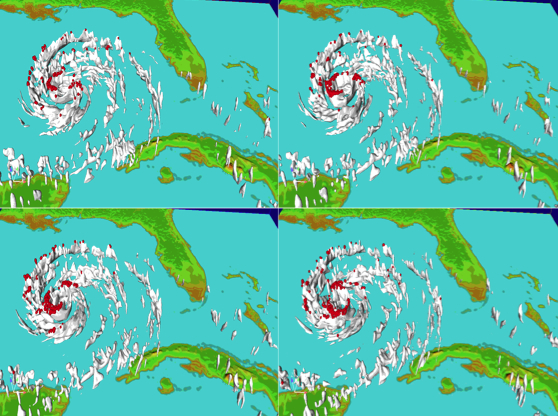
Computer simulations of hurricane lightning could be the key to predicting and avoiding the storms’ real-world punch.
Enlightening predictions Read Post
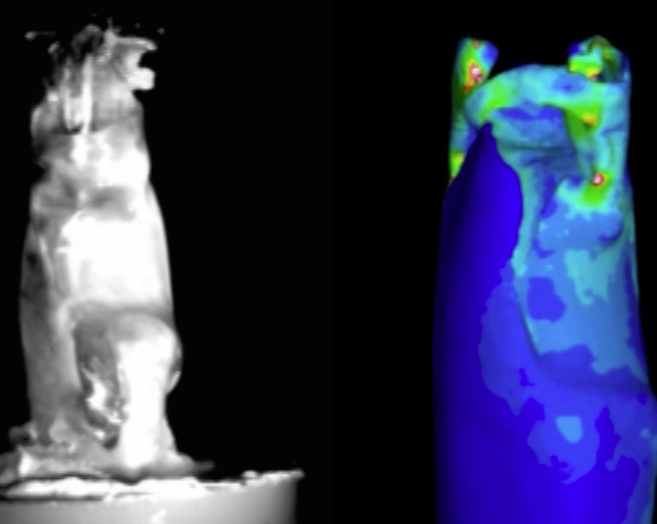
The mantis shrimp packs one of the strongest punches on Earth. Computational Science Graduate Fellow Michael Rosario is investigating the physics, design and material properties behind the crustacean’s prey-crunching wallop. His research has landed him on the National Geographic Wild channel.
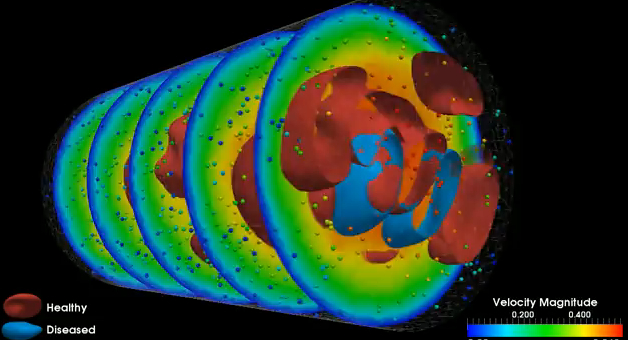
Modeling the elements of blood flow in the brain could help neurosurgeons to predict when and where an aneurysm might rupture – and when to operate.
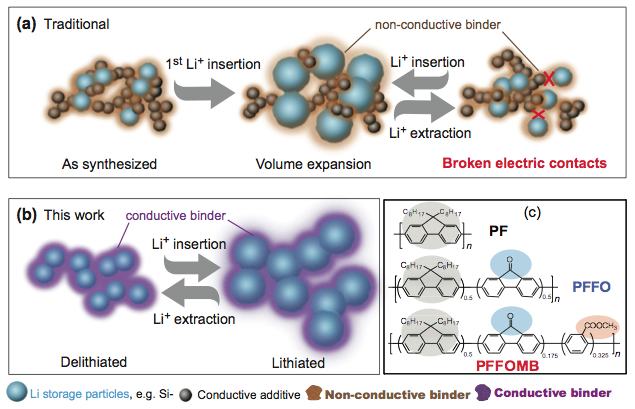
Berkeley scientists have combined computational modeling and advanced materials synthesis to devise a low-cost anode that bolsters the feasibility of long-life lithium-ion batteries.

Klaus Mueller’s latest n-dimensional visualization work capitalizes on a decade-long collaboration with Department of Energy atmospheric chemist Alla Zelenyuk, work
Mining for aerosols and other particles Read Post
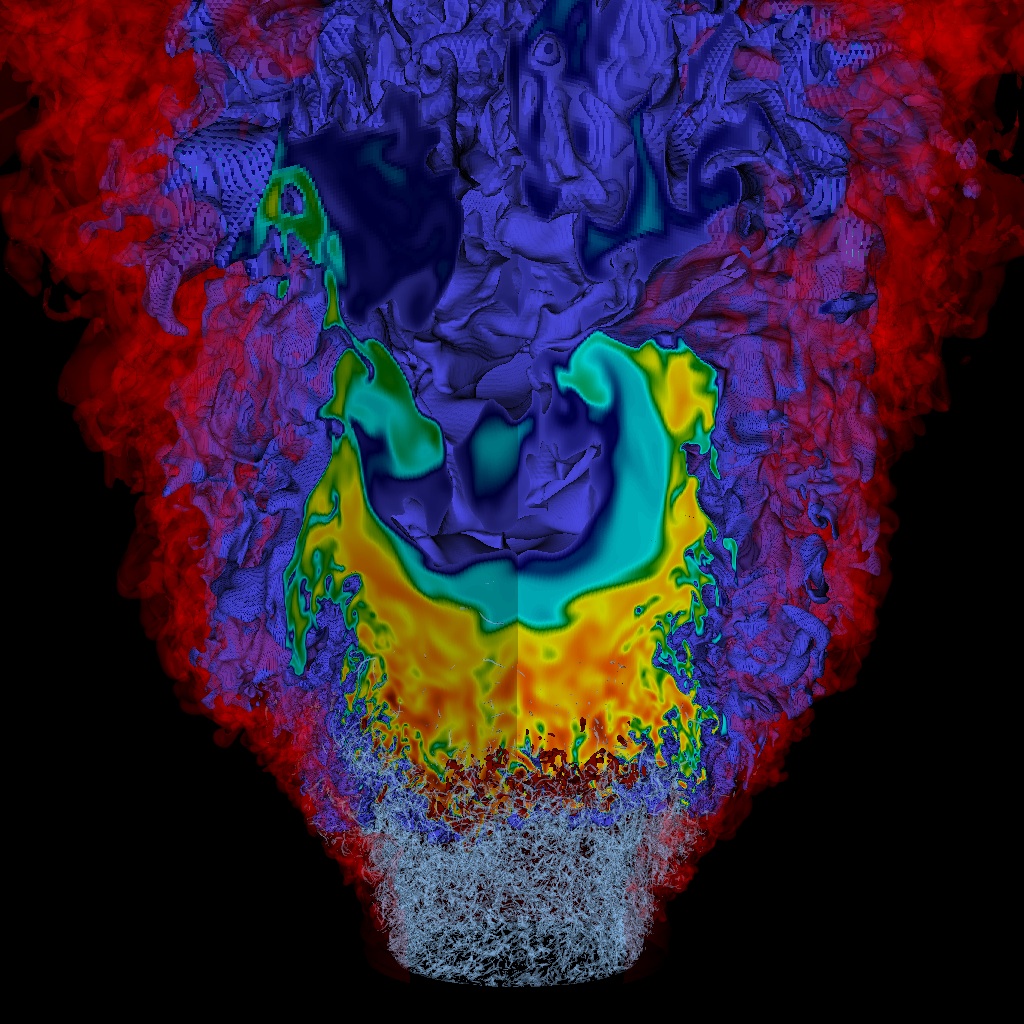
Researchers have pursued clean hydrogen-based fuels for years. A Berkeley Lab team hopes to spur that quest with help from one of the world’s most powerful computers.
Helping hydrogen along Read Post

A Johns Hopkins University team has built a yeast chromosome from scratch, they report today in the journal Nature. Sarah Richardson used what she learned as a Computational Science Graduate Fellow to help design and monitor the chromosome’s construction.
For one summer, Sarah Richardson postponed her work computerizing yeast genome research and probed bacteria instead. As part of her
Boosting Berkeley Lab’s bacteria research Read Post
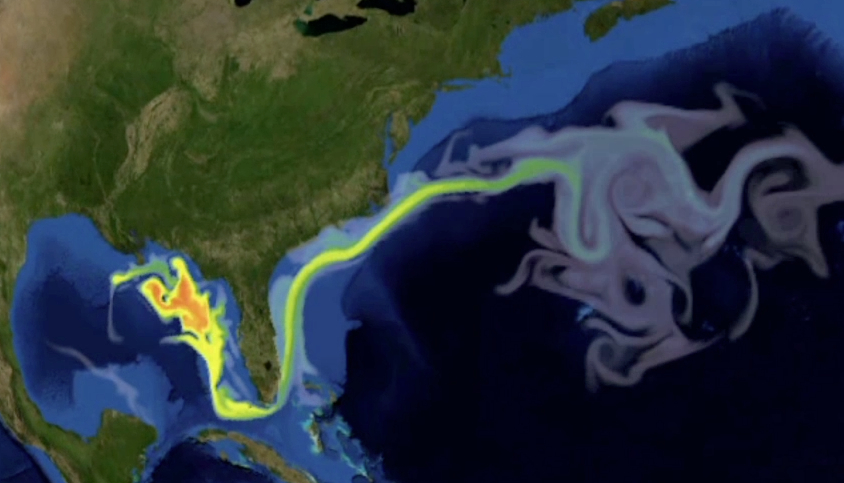
While others predicted when oil from the Deepwater Horizon spill in the Gulf of Mexico might reach beaches, ocean modelers at Los Alamos National Laboratory and the National Center for Atmospheric Research asked when gushing oil might exit the Gulf, where it would go and how diluted it’d be, up to a year later.
A long view of Gulf oil spill Read Post
National Center for Atmospheric Research oceanographer Synte Peacock studies “the distribution of various tracers – something that tags a water
Tracing CFCs and greenhouse gases Read Post
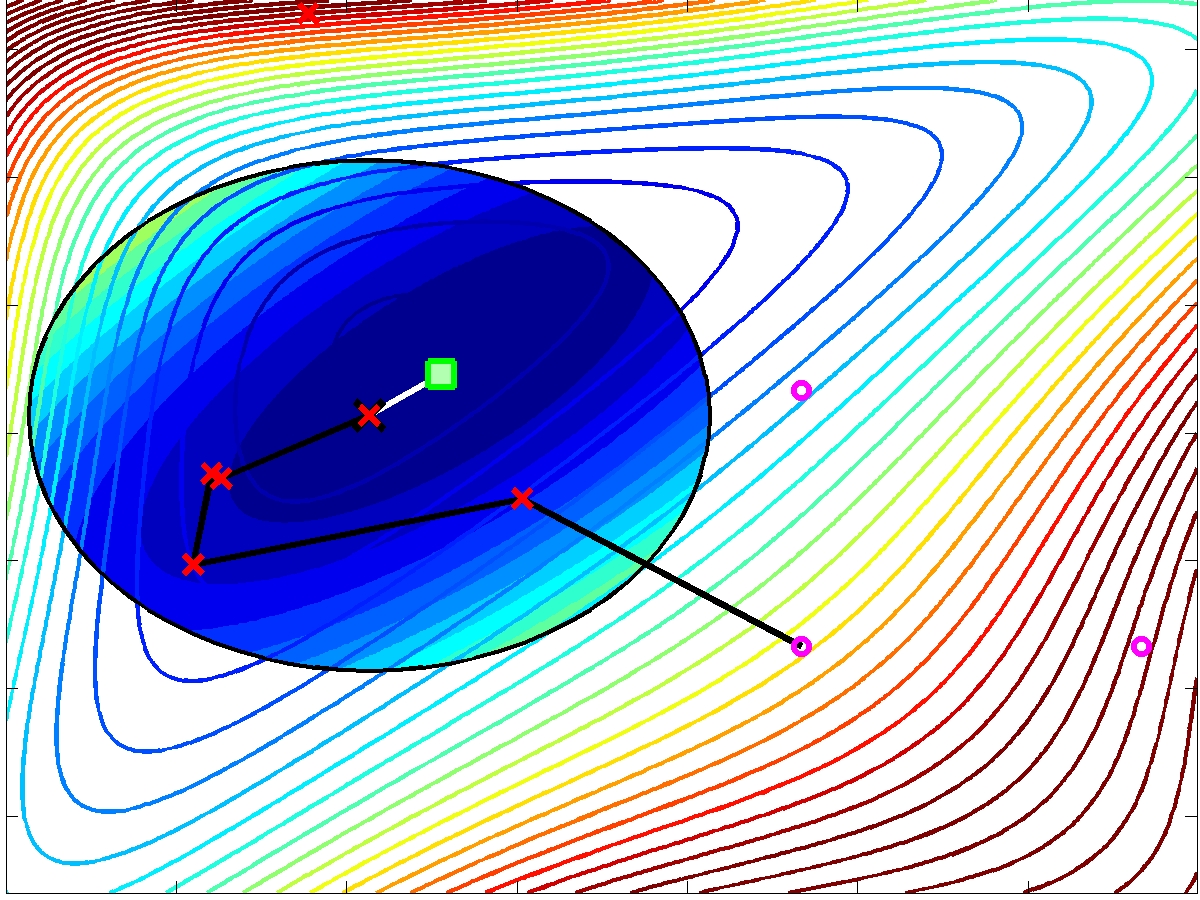
Thousands of tiny systems called atomic nuclei – specific combinations of protons and neutrons – prove extremely difficult to study but have big implications for nuclear stockpile stewardship. To describe all of the nuclei and the reactions between them, a nationwide collaboration is devising powerful algorithms that run on high-performance computers.
Pounding out atomic nuclei Read Post
Density functional theory (DFT) can be used to determine densities of protons and neutrons making up a nucleus. “If we
Cranking up the speed of DFT Read Post
Sandia National Laboratories computer scientist Ronald Minnich calls the desktop-extension supercomputing project a large effort with a small team. “To
Small team carries large load Read Post
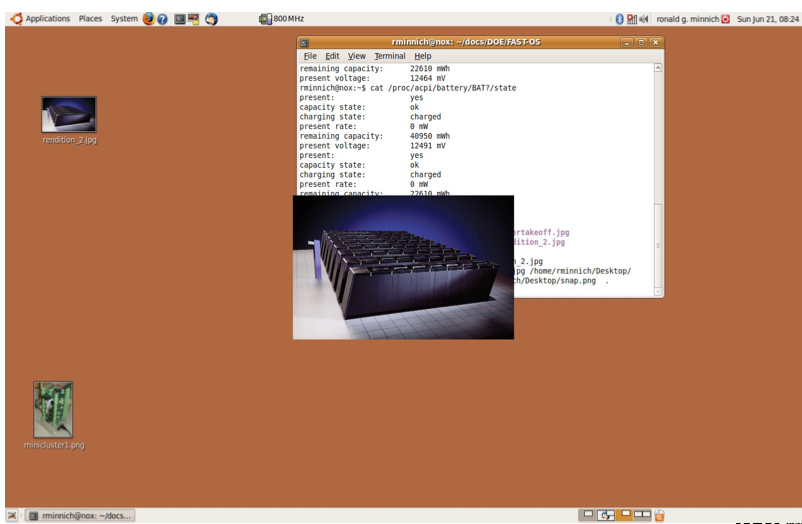
A small team led by Sandia National Laboratories is attempting to virtually put the world’s most powerful supercomputers on a user’s own desktop or laptop.
Laptop supercomputing Read Post
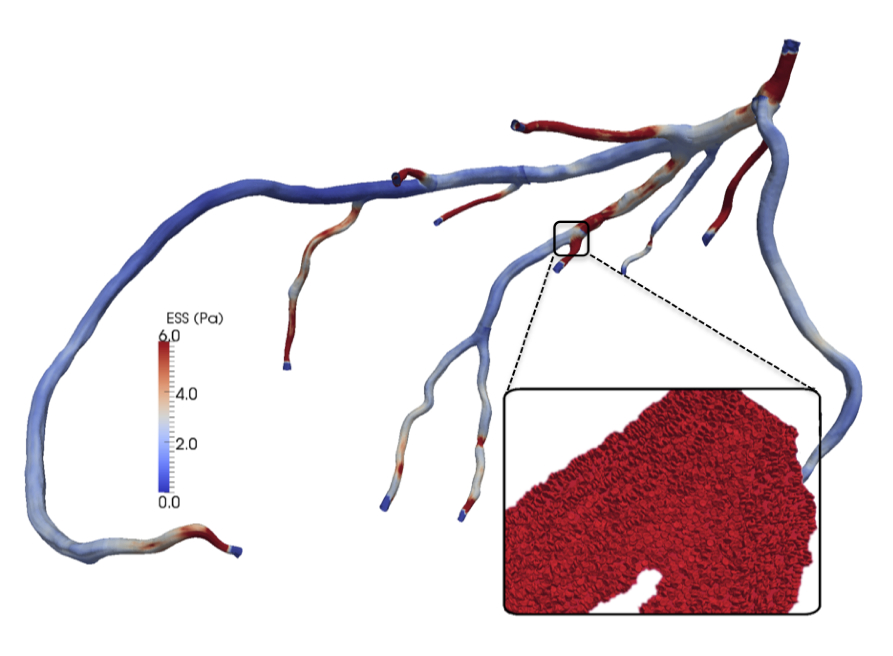
The first large-scale simulation of blood flow in coronary arteries enlists a realistic description of the vessels’ geometries. Researchers reported on the simulation today at the SC10 supercomputing conference in New Orleans.
If FASTER can be considered a jet that speeds global climate modelers to analyze fast physics processes, its wings are
The wings that fly FASTER Read Post
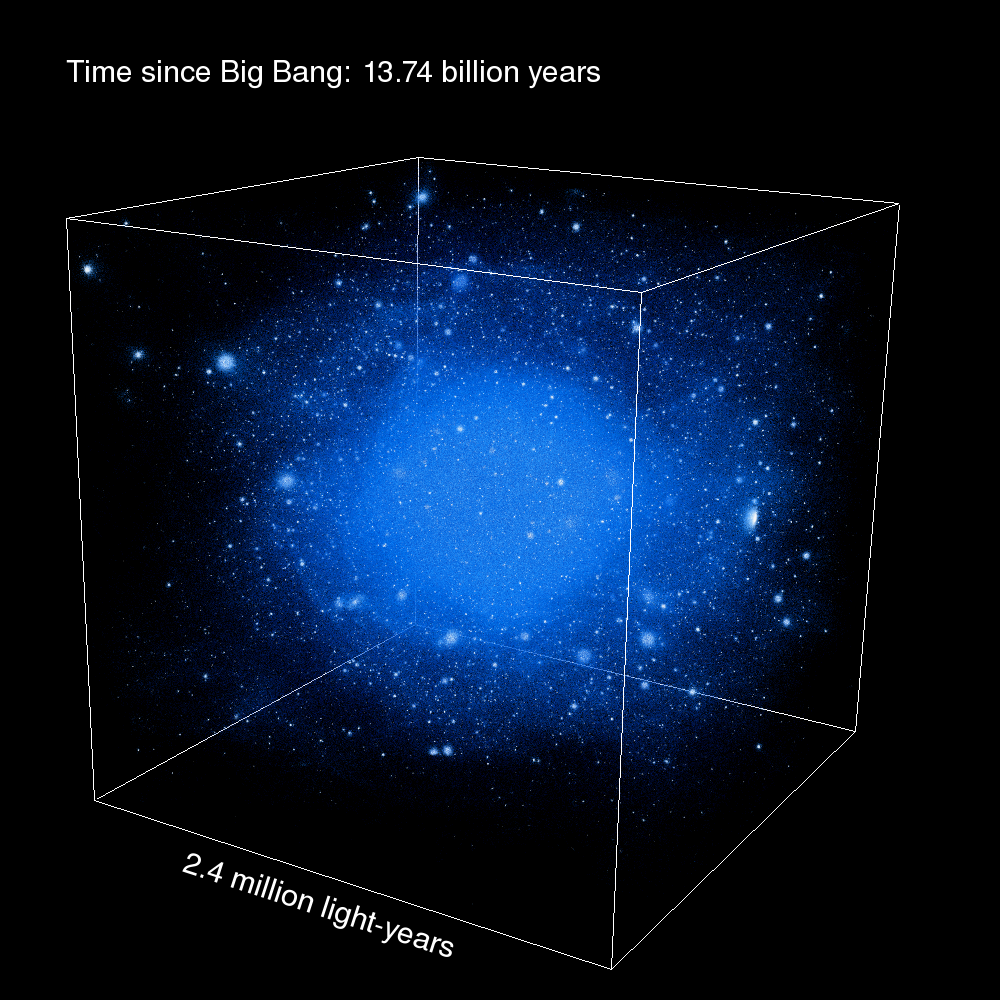
Armed with computing power from Oak Ridge National Laboratory, researchers are detailing the nature of dark matter surrounding a galaxy much like our own Milky Way.
Seeing the invisible Read Post
Collisions in dark matter “clumps” should produce gamma rays, but a satellite looking for them has come up empty so far.
Dark matter predictions put to test Read Post
A detector suggested dark matter collisions, but no other test has seen similar signs.
Parsing particle experiments Read Post
Paul Fischer can’t remember a time when he wasn’t interested in aeronautical and mechanical engineering. His passion for solving seemingly
Winding path leads to fluid career Read Post
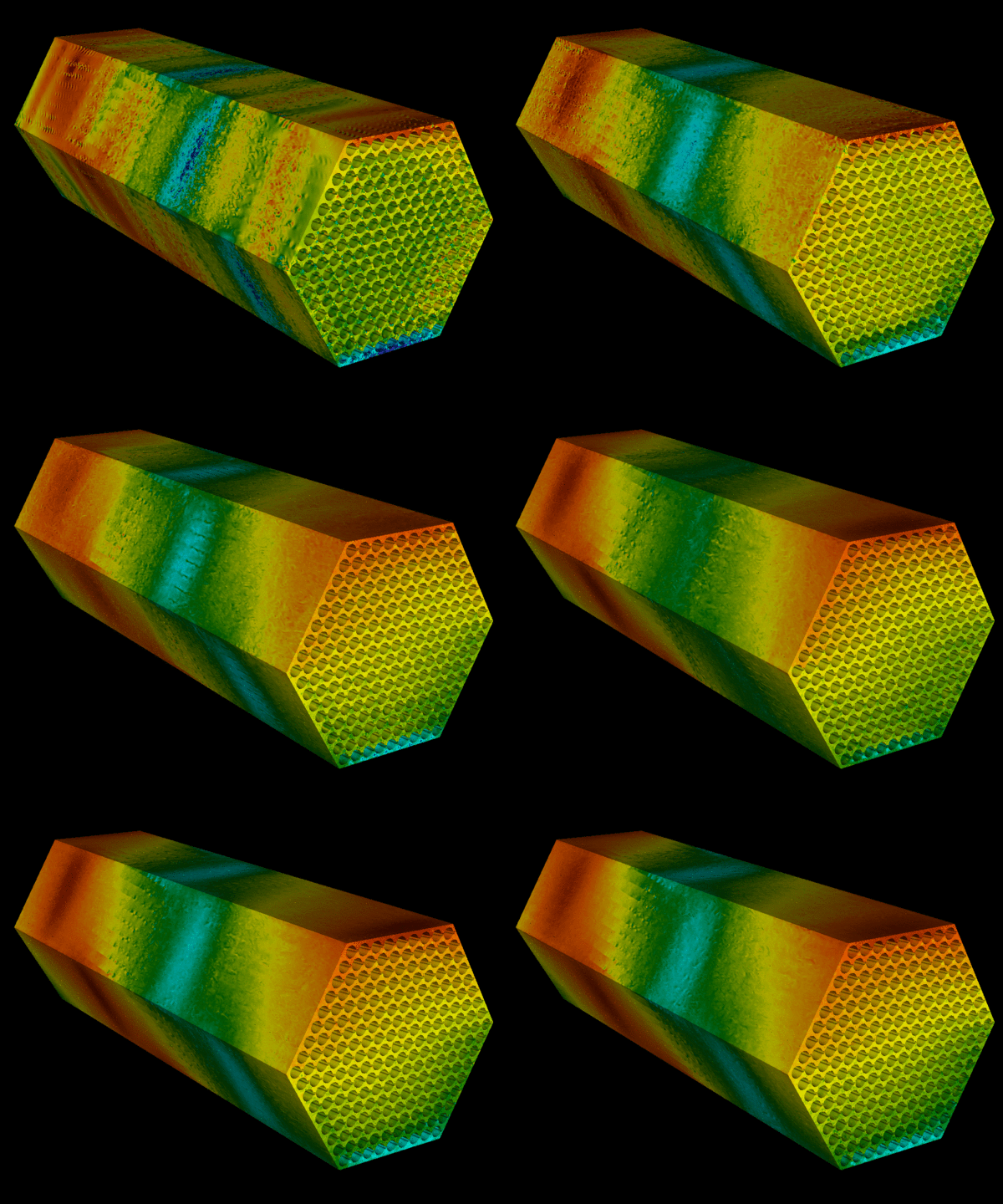
Argonne National Laboratory applies mathematics and computation to engineer the next generation of nuclear reactors.
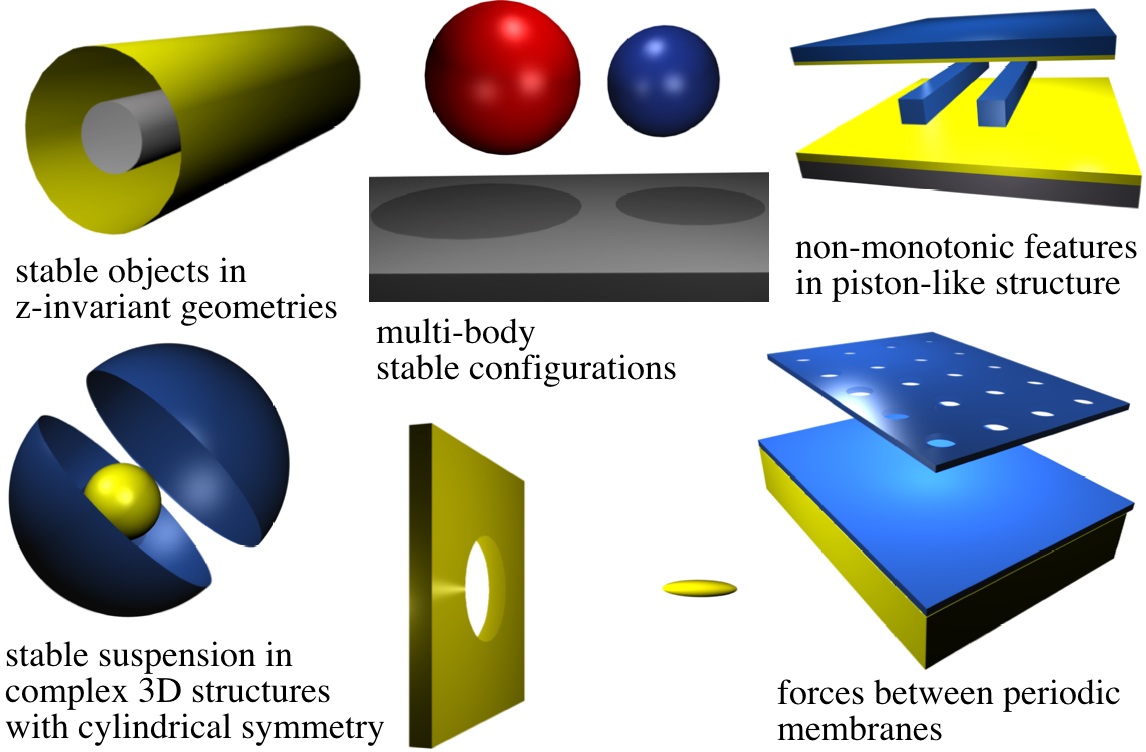
A quantum curiosity called the Casimir force gums up micro- and nanomachines. Work at MIT led by a newly minted alumnus of the DOE Computational Science Graduate Fellowship suggests uses for the force – and ways around it.
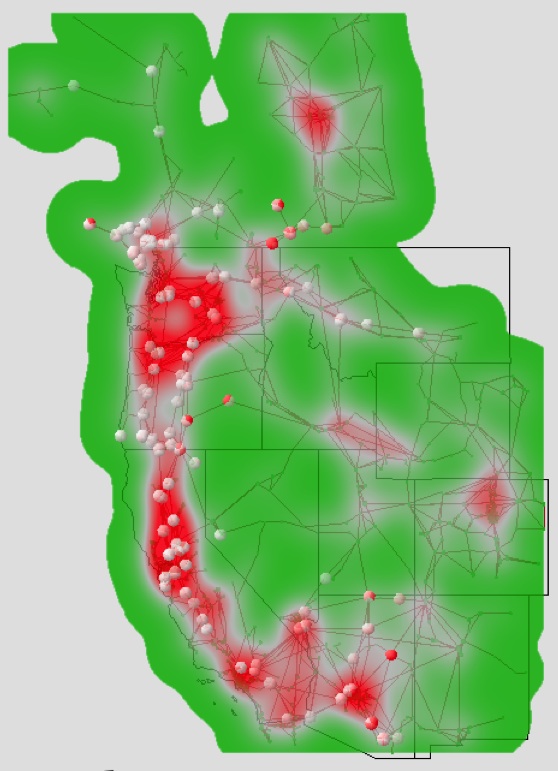
A PNNL team enlists new algorithms and powerful computers to quickly analyze which combinations of failures most threaten the power grid.
Getting a grip on the grid Read Post
A supercomputer’s unusual qualities make it a good fit with electric system problems.
Grids grasp at multiple threads to block blackouts Read Post

The ceremony in the East Room of the White House, where President Obama bestowed the National Medal of Science on
A well-placed plug for the humble algorithm Read Post