
Filling in the blanks
To prevent important information from being missed, a Berkeley Lab team is improving how supercomputers divvy up the ponderous tasks surrounding large simulations’ analytics and visualization.
Filling in the blanks Read Post
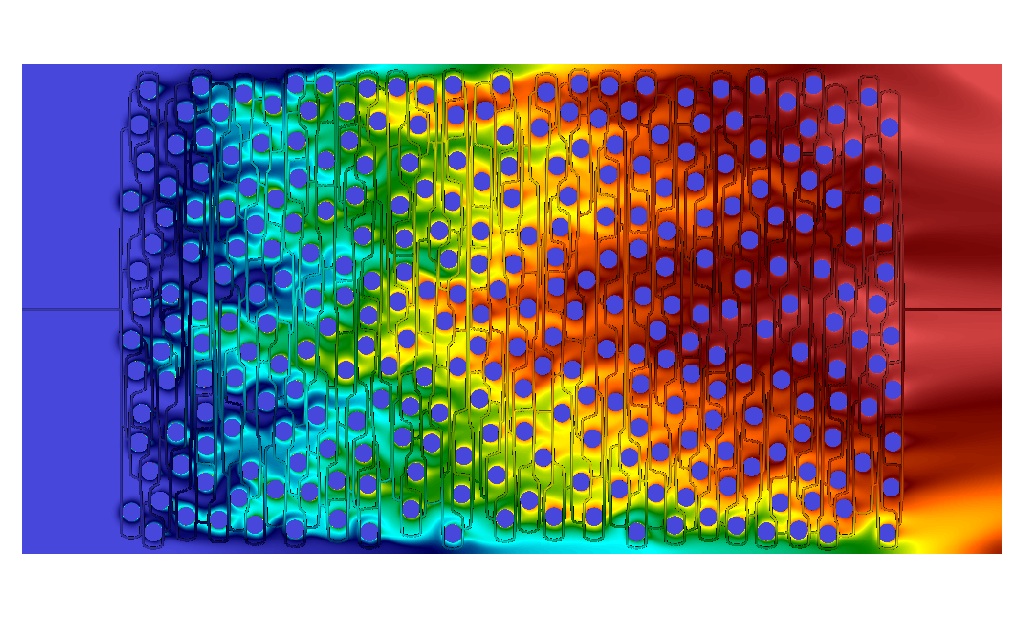
To prevent important information from being missed, a Berkeley Lab team is improving how supercomputers divvy up the ponderous tasks surrounding large simulations’ analytics and visualization.
Filling in the blanks Read Post
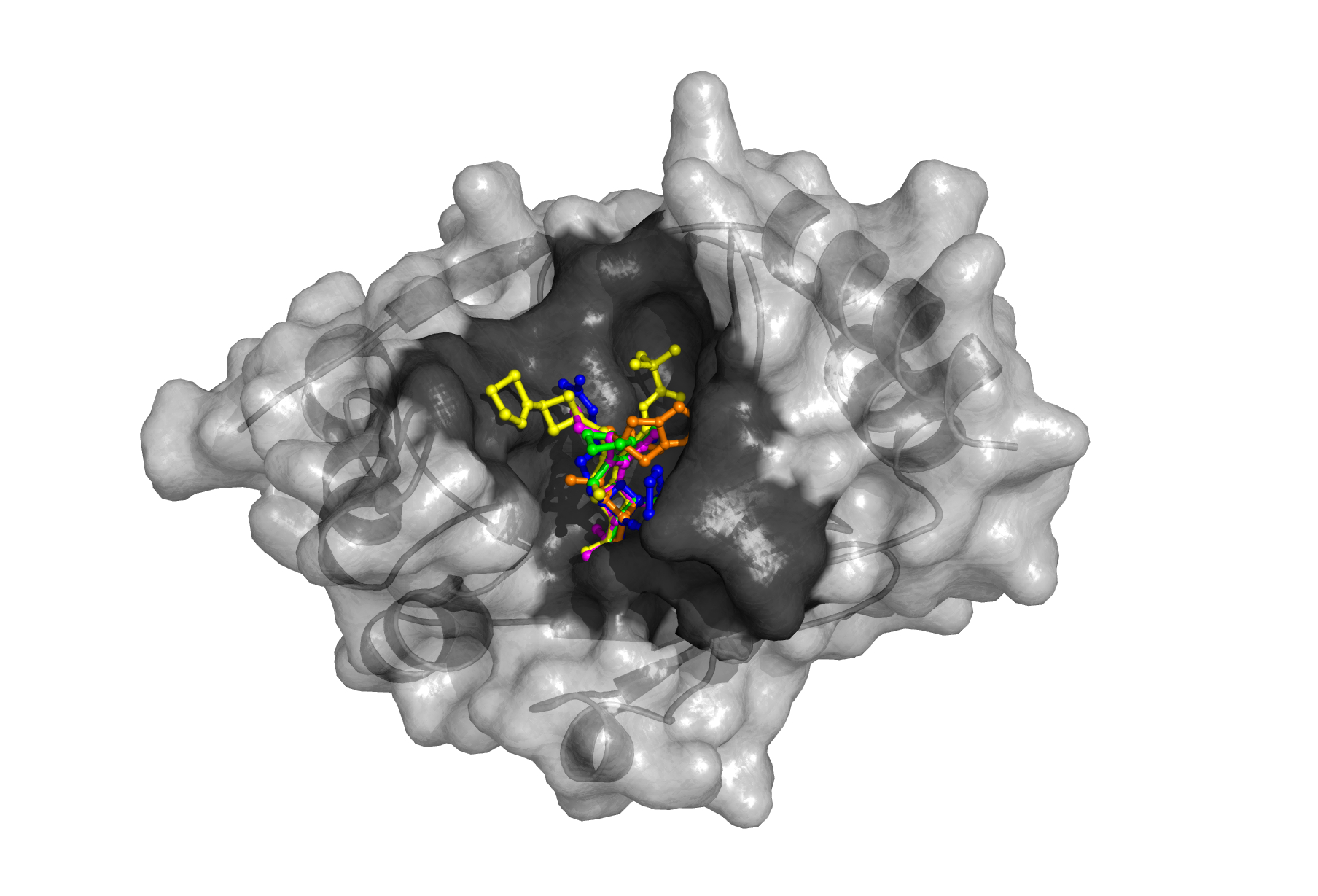
To find a path around antibiotic resistance, a team working with the Intrepid supercomputer at Argonne National Laboratory is simulating molecular binding interactions to rapidly vet new infection-fighting candidates.
Overcoming resistance Read Post

Speed kills, as the slogan says, and in computers what it kills could be disease. Argonne National Laboratory researcher Andrew
In 2007, when Oak Ridge National Laboratory (ORNL) researchers calculated that adding boron would bend carbon nanotubes, they did little
A spontaneous collaboration Read Post
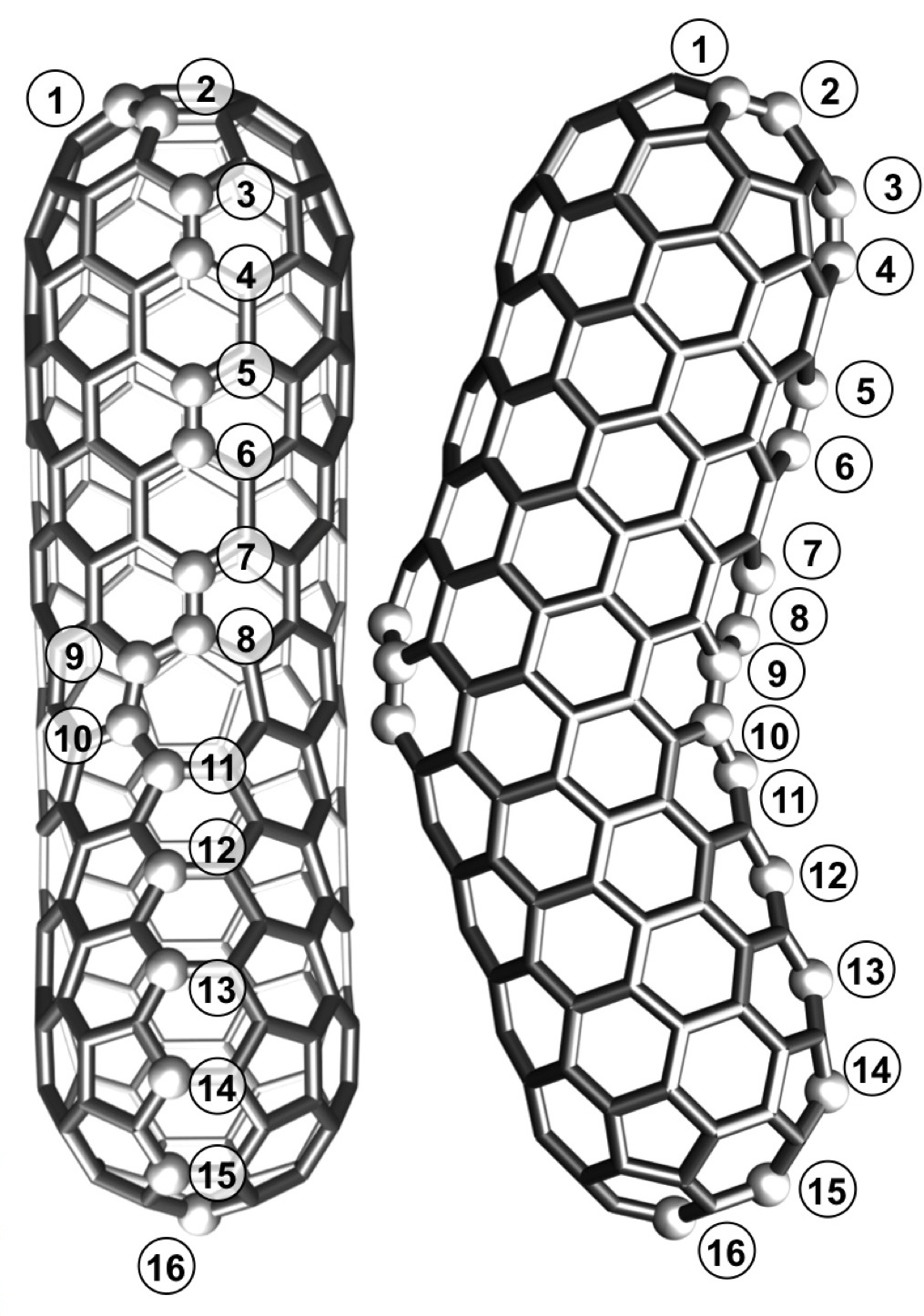
With the help of Oak Ridge computations, scientists are probing the properties of macroscale sponges made of nanoscale carbon-boron tubes. The material could soak up oil spills, help store energy or meet other needs.
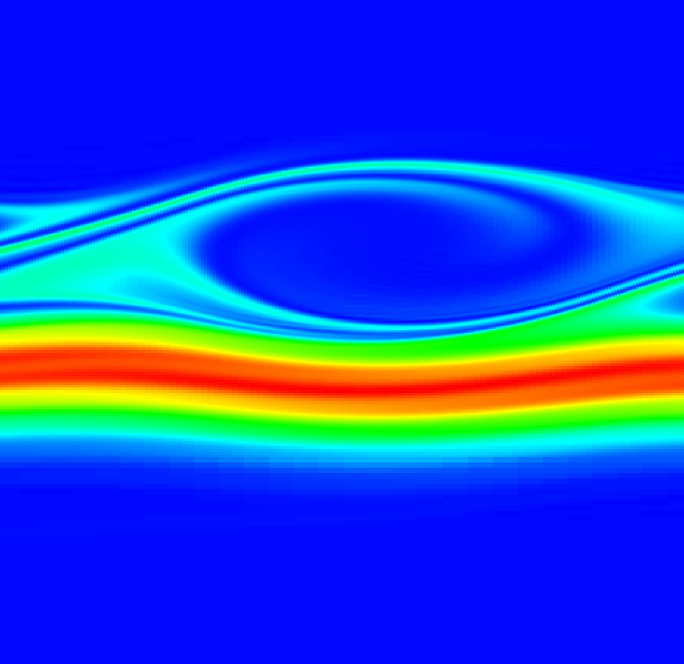
Plasmas are the purview of Livermore scientist and Computational Science Graduate Fellowship alumnus Jeffrey Hittinger. He works both sides of the fusion street – inertial confinement and magnetic confinement – while simulating aspects of these tremendously hot, fast-moving particle clouds.
A passion for pressure Read Post

A Pacific Northwest National Laboratory computation suggests that the water-gas compounds found in ocean permafrost can provide energy and store it, too – and then trap carbon dioxide.
Twice-stuffed permafrost Read Post
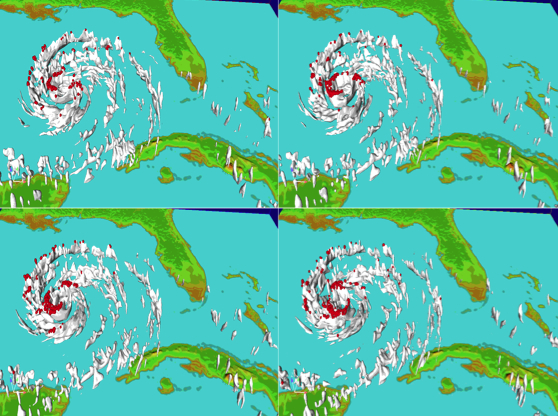
Computer simulations of hurricane lightning could be the key to predicting and avoiding the storms’ real-world punch.
Enlightening predictions Read Post
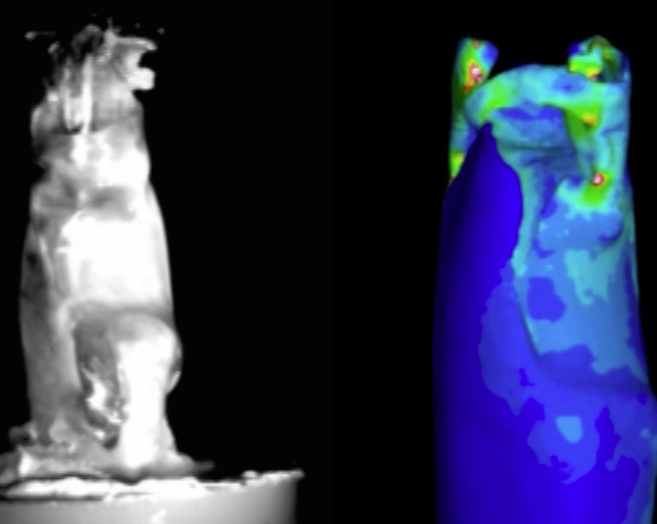
The mantis shrimp packs one of the strongest punches on Earth. Computational Science Graduate Fellow Michael Rosario is investigating the physics, design and material properties behind the crustacean’s prey-crunching wallop. His research has landed him on the National Geographic Wild channel.
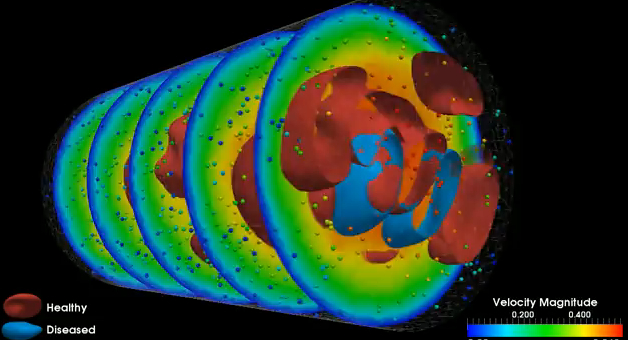
Modeling the elements of blood flow in the brain could help neurosurgeons to predict when and where an aneurysm might rupture – and when to operate.
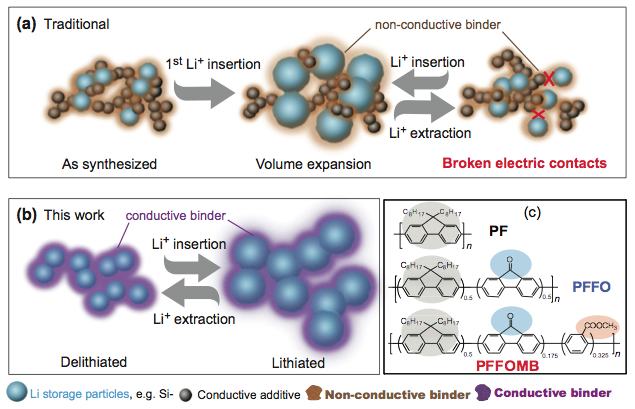
Berkeley scientists have combined computational modeling and advanced materials synthesis to devise a low-cost anode that bolsters the feasibility of long-life lithium-ion batteries.