
Pressure and flow
The first large-scale simulation of blood flow in coronary arteries enlists a realistic description of the vessels’ geometries. Researchers reported on the simulation today at the SC10 supercomputing conference in New Orleans.
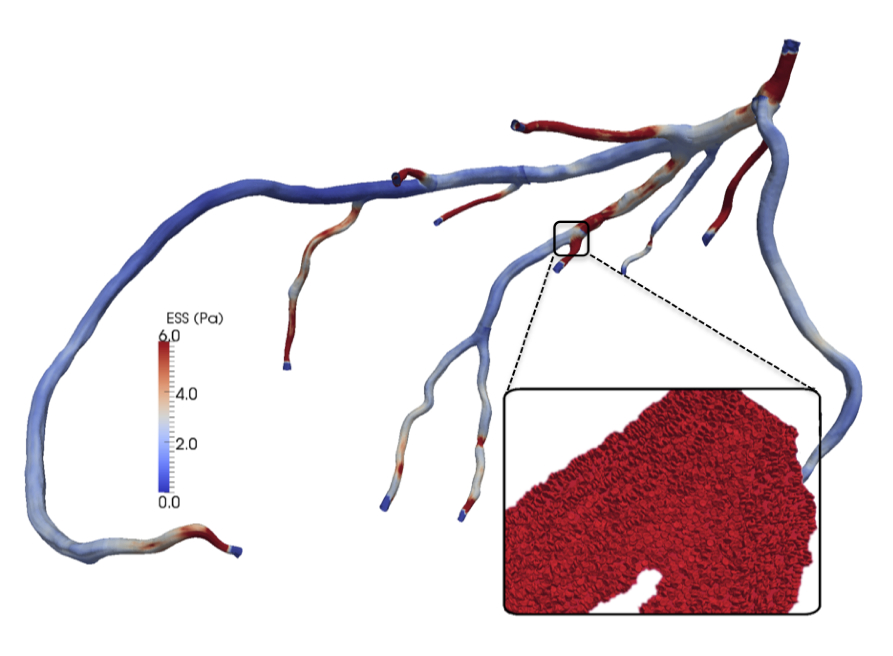
The first large-scale simulation of blood flow in coronary arteries enlists a realistic description of the vessels’ geometries. Researchers reported on the simulation today at the SC10 supercomputing conference in New Orleans.

If FASTER can be considered a jet that speeds global climate modelers to analyze fast physics processes, its wings are
The wings that fly FASTER Read Post
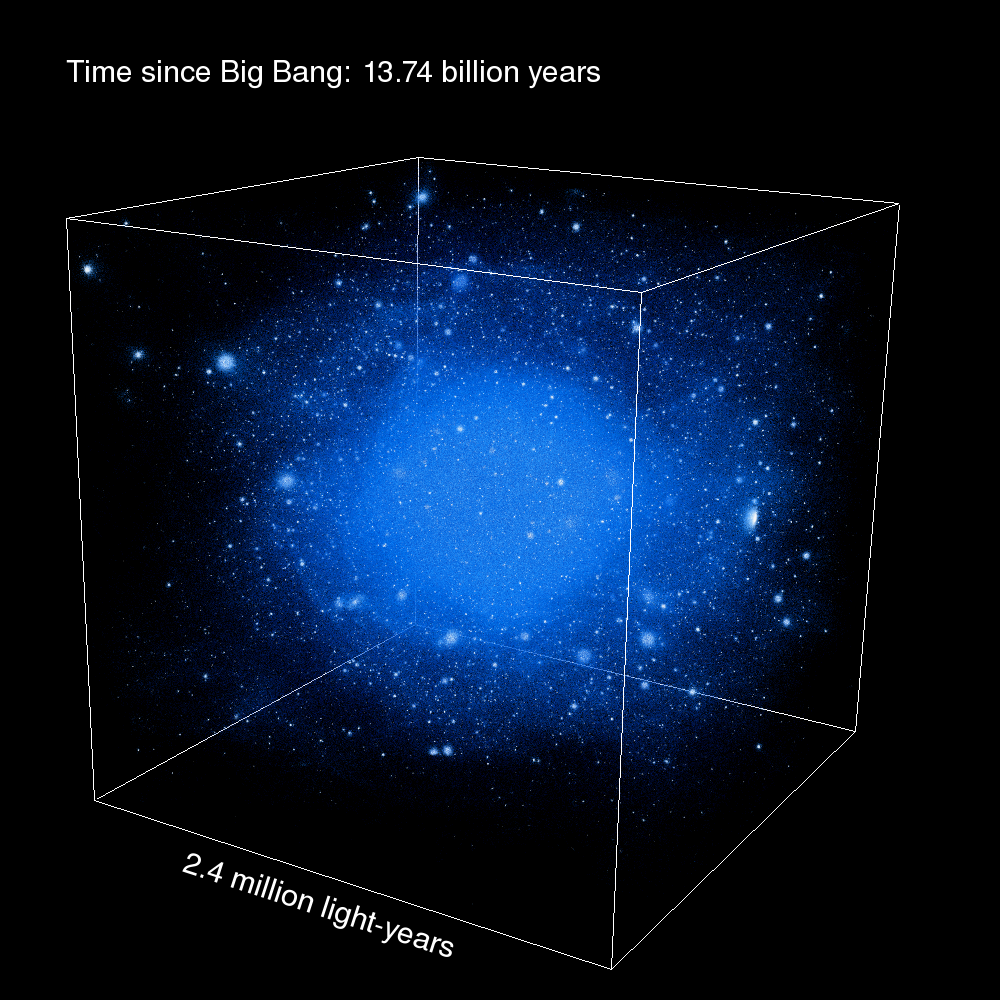
Armed with computing power from Oak Ridge National Laboratory, researchers are detailing the nature of dark matter surrounding a galaxy much like our own Milky Way.
Seeing the invisible Read Post
Collisions in dark matter “clumps” should produce gamma rays, but a satellite looking for them has come up empty so far.
Dark matter predictions put to test Read Post
A detector suggested dark matter collisions, but no other test has seen similar signs.
Parsing particle experiments Read Post
Paul Fischer can’t remember a time when he wasn’t interested in aeronautical and mechanical engineering. His passion for solving seemingly
Winding path leads to fluid career Read Post
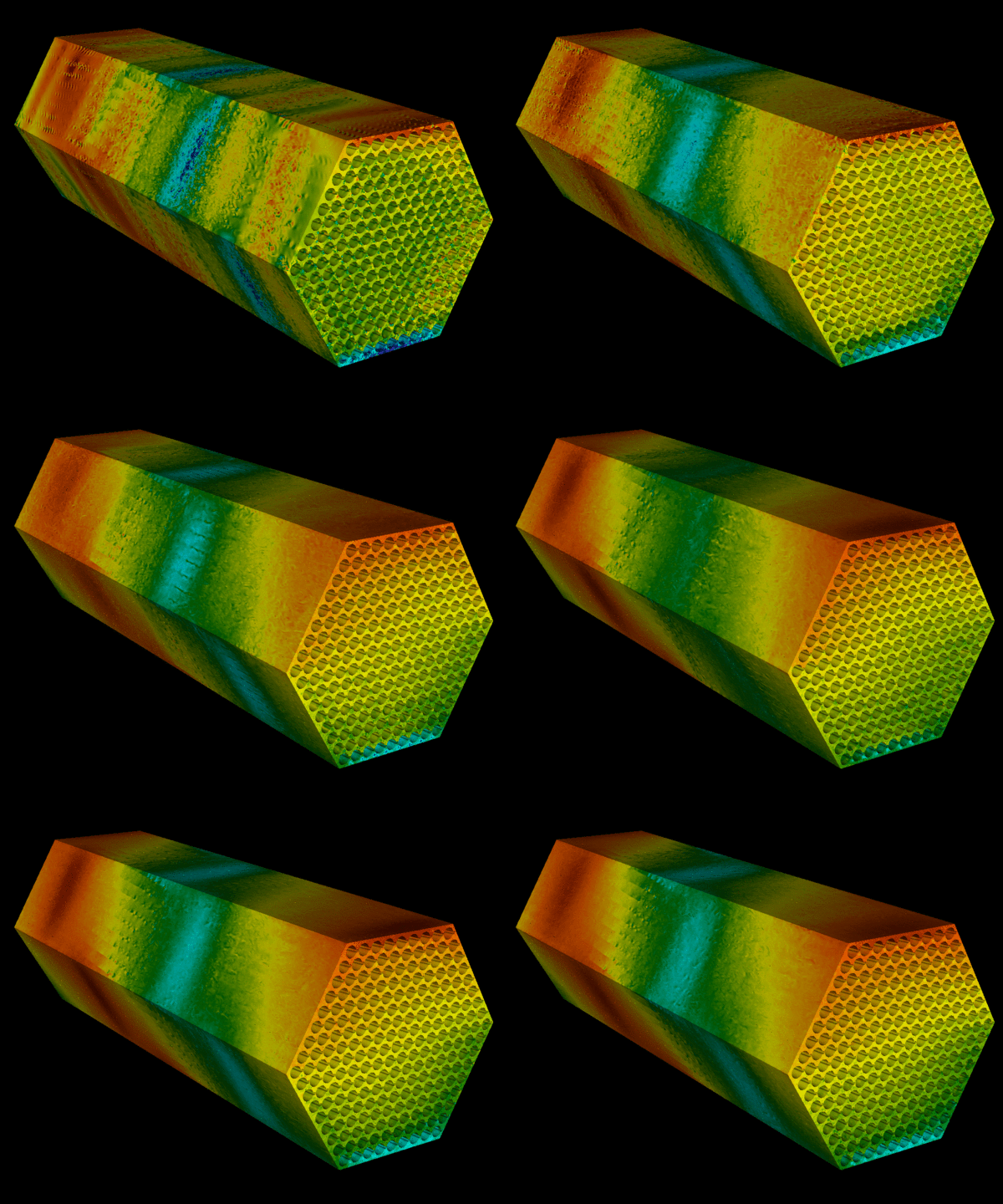
Argonne National Laboratory applies mathematics and computation to engineer the next generation of nuclear reactors.
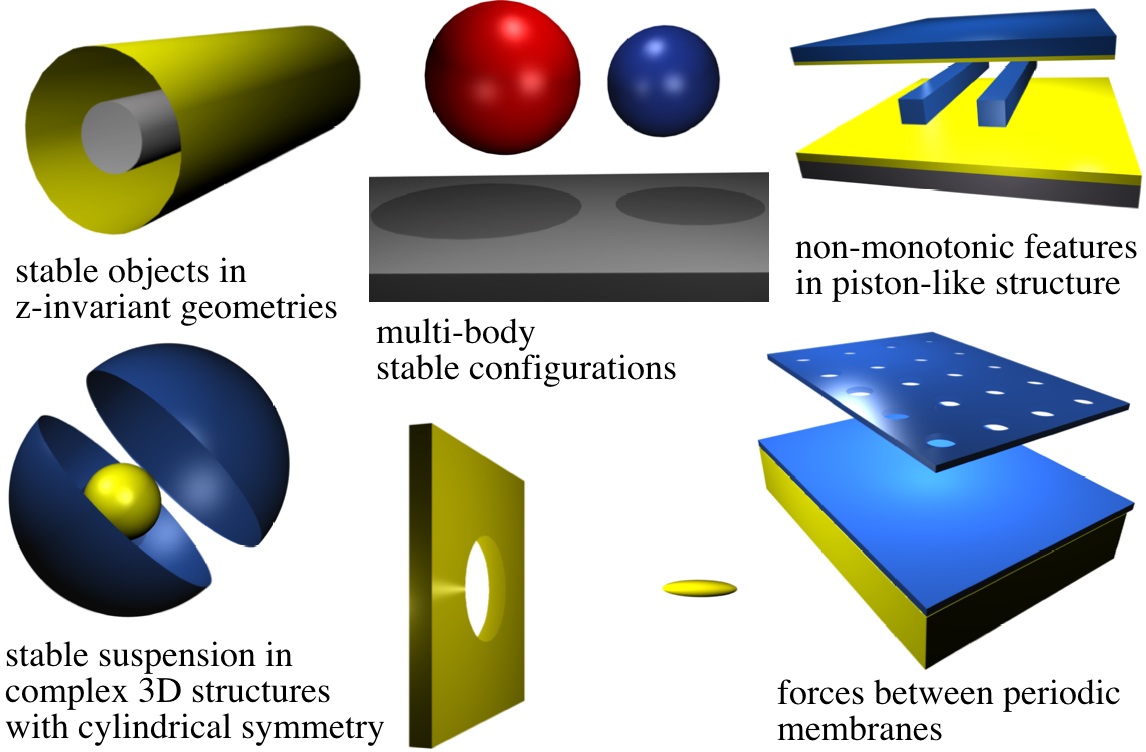
A quantum curiosity called the Casimir force gums up micro- and nanomachines. Work at MIT led by a newly minted alumnus of the DOE Computational Science Graduate Fellowship suggests uses for the force – and ways around it.
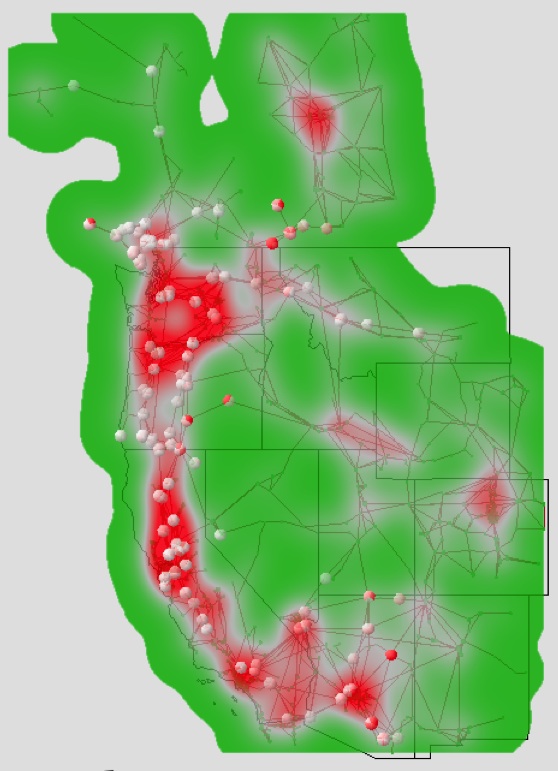
A PNNL team enlists new algorithms and powerful computers to quickly analyze which combinations of failures most threaten the power grid.
Getting a grip on the grid Read Post
A supercomputer’s unusual qualities make it a good fit with electric system problems.
Grids grasp at multiple threads to block blackouts Read Post

The ceremony in the East Room of the White House, where President Obama bestowed the National Medal of Science on
A well-placed plug for the humble algorithm Read Post
Berni Alder’s Monte Carlo methods have solved problems across the scientific spectrum. Yet the Livermore-based National Medal of Science-recipient still has questions.
The master of Monte Carlo Read Post
It takes a big computer to model very small things. And, like its namesake state, New York Blue is big.
Going big to study small Read Post
Computation and experimentation combine to improve and speed design of useful compounds.
Putting catalysts on track Read Post